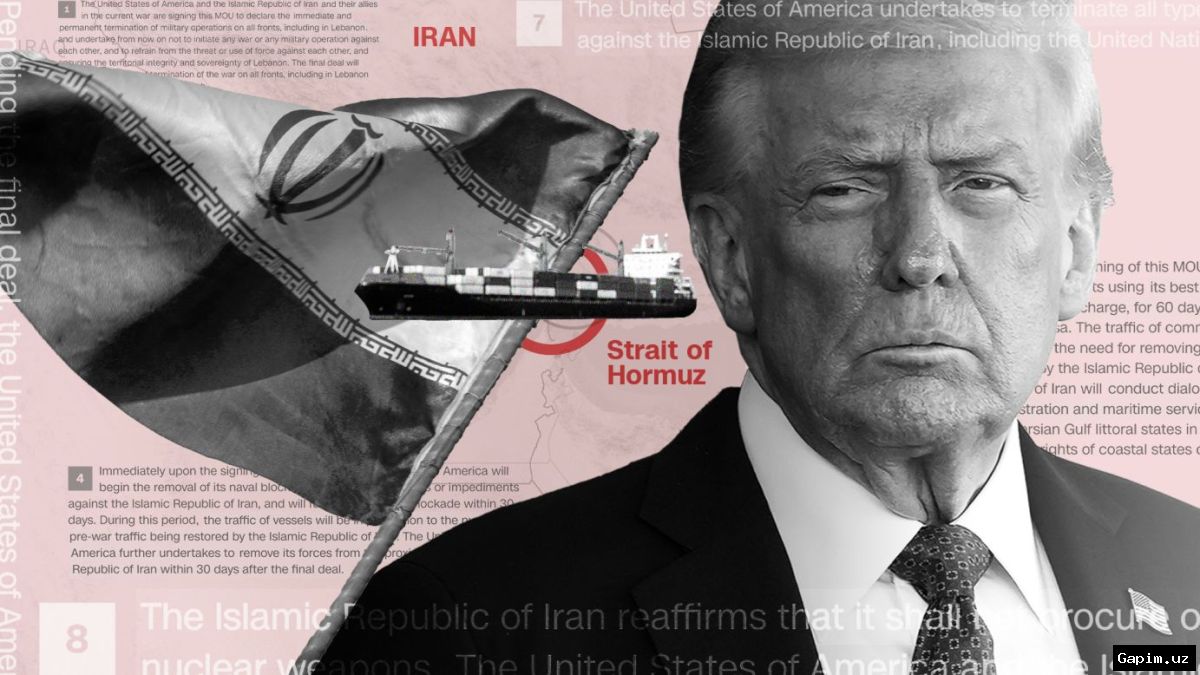
President Donald Trump has formally signed a deal with Iran to end the conflict that began on 28 February when the US and Israel launched airstrikes on Tehran. The 14-point Memorandum of Understanding (MoU) has been criticized for what it includes and omits, raising questions about its impact on nuclear talks, sanctions, and the Strait of Hormuz.
Comparisons are inevitable with the 2015 JCPOA, which Trump scrapped in his first term. The JCPOA limited Iran's enriched uranium stockpile to 300 kg and enrichment to 3.67% for 15 years, with IAEA verification. After the US withdrawal, Iran expanded its program, possessing 440 kg of 60% enriched uranium by the war's start—enough for rapid weaponization.
The new MoU states Iran "reaffirms" it will not seek nuclear weapons but lacks details on enrichment limits or disposal of stockpiled material. US officials claimed the deal would destroy the stockpile, but the text does not say so. Similarly, ballistic missiles—a key Trump complaint about the JCPOA—are absent from the MoU.
On sanctions, the MoU promises to "terminate all types" on a schedule and immediately allows Iranian oil exports via waivers, placing Iran in a stronger economic position than before the war. It also includes a $300 billion reconstruction fund for Iran from the US and regional partners.
Regarding the Strait of Hormuz, shipping collapsed from 94 to 6 daily transits during the conflict. The MoU ends the US naval blockade within 30 days and ensures safe passage for 60 days, after which Iran may negotiate fees with Oman—potentially boosting its regional influence.
Source: www.bbc.com