By stepping in as mediator in the US-Iran conflict, Pakistan has managed to elevate its status from a regional player to a global diplomatic stakeholder — with a little help from China and its friends in the Gulf.
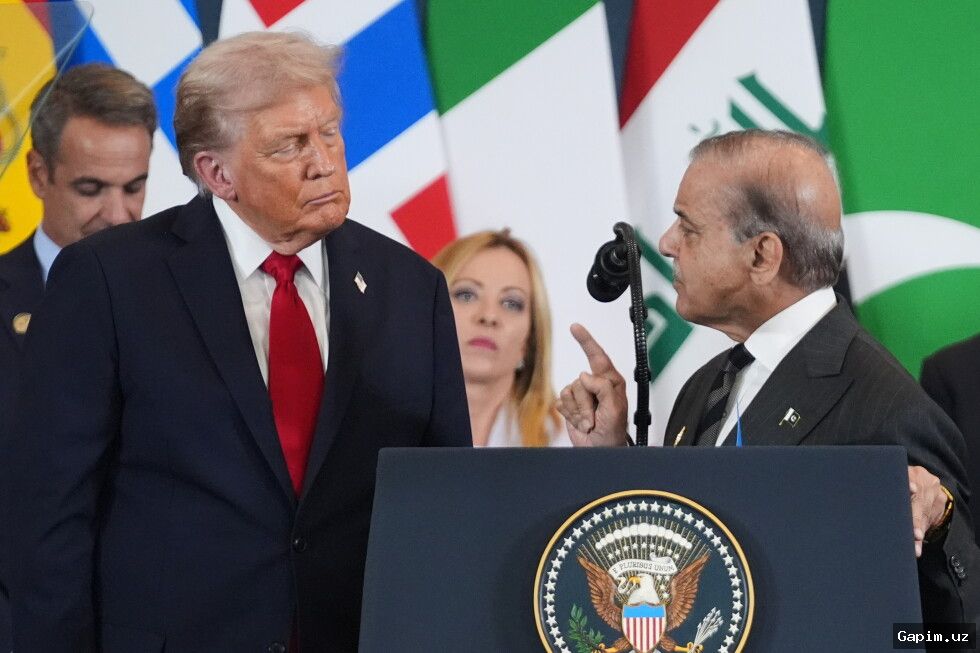
The US-Iran deal, serving as foundation for the ongoing talks in Switzerland, marks a crucial diplomatic achievement for Pakistan, perhaps the most significant in the country's modern history. Farwa Aamer, director of South Asia Initiatives at the Asia Society Policy Institute, told DW that Pakistan effectively leveraged its relations with Tehran, growing closeness to Washington, and its network of regional partners like Qatar, Saudi Arabia, and Turkey.
Islamabad also boasts close ties with China. Elizabeth Threlkeld, South Asia director at the Stimson Center, told DW that Pakistan's patient diplomacy was critical in getting the US-Iran deal across the finish line, though its long-term impact will depend on the agreement's durability.
The Pakistani government pursued a hands-on diplomatic strategy towards Tehran, with army chief Asim Munir and Prime Minister Shehbaz Sharif both visiting Iran in May 2025. Michael Kugelman of the Atlantic Council told DW that this is when the US regime first began to recognize Pakistan as a viable and trustworthy mediator.
Pakistani leaders had much to lose if the US-Israel conflict with Iran spiraled into an all-out regional war. Pakistan shares a border with Iran and relies heavily on Gulf trade routes. After new US and Israeli airstrikes on Iran in late February, Sharif's government began intensive diplomatic efforts.
In March, Munir and Trump discussed the conflict by telephone, while Sharif spoke to Iran's president. In April, Pakistan announced an initial ceasefire and hosted marathon negotiations with US Vice President JD Vance and Iran's parliamentary speaker.
Many analysts speculate that Pakistan could only act as a mediator due to strong support from China. Beijing has ties to Tehran and needs stability in the Gulf. Kugelman asserted that China's formal backing was critical in getting Iran to buy into the process.
Qatar and Saudi Arabia also have strong incentives to avoid a prolonged conflict. Qatar has now positioned itself as a second mediator at the Swiss talks. Diplomatic sources describe Pakistan's role as extending beyond mere messaging: Pakistani officials helped identify areas of compromise and coordinated draft proposals.
Kugelman agrees that Pakistan was not simply a messenger, noting three-way discussions took place, which goes far beyond passing messages. Vance praised Munir as a "great diplomat" and highlighted his role.
Source: www.dw.com