US Secretary of State Marco Rubio arrived in the United Arab Emirates on Tuesday for meetings with Gulf allies, stating that Washington will not accept tolls or fees in the Strait of Hormuz. "It's an international waterway. No country is allowed to charge tolls or fees on an international waterway," Rubio said.
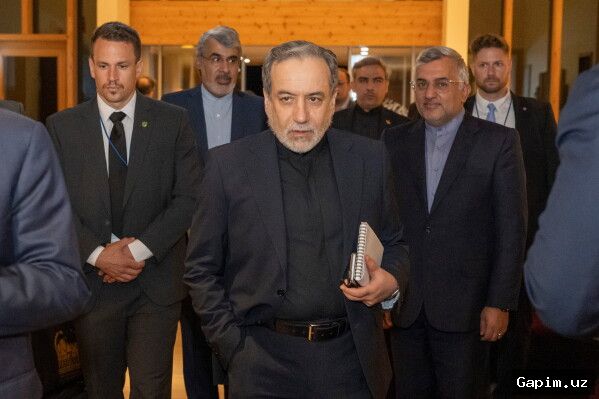
Iran, however, insists on introducing "maritime service fees." Chief negotiator Mohammad Bagher Ghalibaf told state media that "the administration of the Strait of Hormuz will never go back to the way it was before the war." Iran and Oman agreed to form a joint working group to discuss navigation management, including services and charges.
US President Donald Trump claimed Iran has agreed to far-reaching nuclear inspections, but Tehran denied this. Foreign Ministry spokesman Esmail Baghaei said there was no agreement on inspections and no plans to invite the IAEA. The conflicting statements underscore deep divisions.
The US agreed to a 60-day sanctions waiver for Iranian frozen assets. Trump said the funds would be controlled by the US and used to buy American humanitarian goods like corn, wheat, and soybeans. However, Iranian Ambassador Ali Bahreini in Geneva insisted Tehran alone would decide how to use the assets.
Commercial traffic through the Strait of Hormuz reached its highest level since the war began, with at least 37 cargo vessels transiting on Monday. Analysts see this as a sign of tentative normalization. The IMO is also working to evacuate 11,000 stranded seafarers.
Israel and Lebanon are set to begin their fifth round of talks in Washington DC. Lebanese President Joseph Aoun maintained that Tehran cannot negotiate on Beirut's behalf. Israeli Prime Minister Benjamin Netanyahu said the military will keep its "freedom of action" in southern Lebanon.
Source: www.dw.com