As Lebanese government representatives begin another round of talks with their Israeli counterparts in Washington, the country finds itself in an increasingly impossible situation. Fighting between Hezbollah and Israel has displaced over a million people, killed thousands, and caused an estimated $1.4 billion in damage.
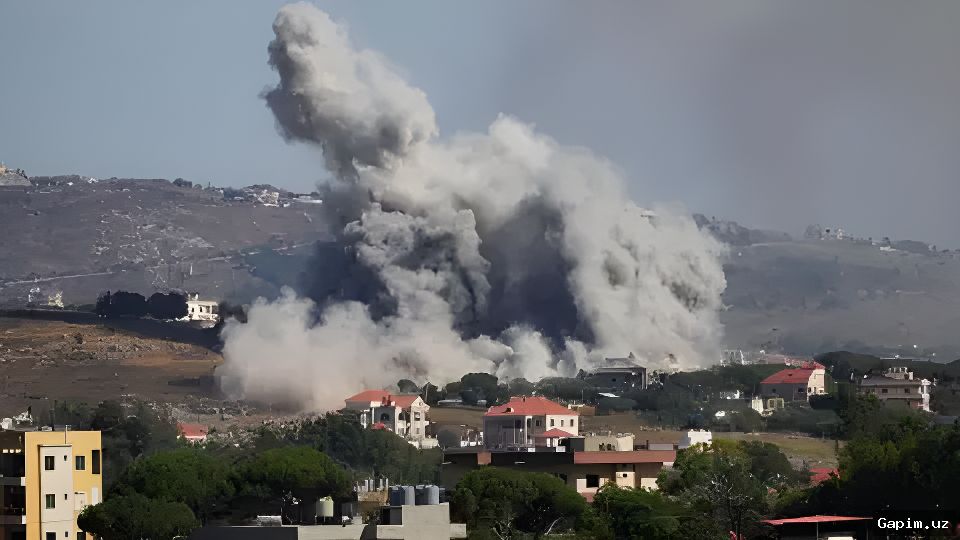
Israel says it plans to maintain a 'security buffer zone' in southern Lebanon to protect its northern citizens from Hezbollah attacks. Iran, which backs Hezbollah, wants the fighting to stop and has made respect for Lebanese sovereignty a condition of its recent memorandum of understanding with the US. However, the Lebanese government sees Iran's involvement as an infringement on its own sovereignty.
Lebanon faces a stark choice: Iran or Israel? Neither option offers much hope for lasting peace or economic recovery. Michael Young of the Carnegie Middle East Center suggests an alternative: the Egyptian framework, which envisions a phased process of disarming Hezbollah, integrating its fighters into the Lebanese army, and transforming the group into a purely political entity.
The plan also calls for reforming Lebanon's sectarian political system into a more equitable power-sharing arrangement. While similar proposals have failed in the past, regional changes following the Iran war may make this one more viable. Iran's blockade of the Strait of Hormuz has shown it can defend itself without proxies like Hezbollah, potentially making it more willing to compromise.
However, experts remain skeptical. Faysal Itani of the Middle East Policy Council in Washington doubts Hezbollah will reciprocate unless it is weak and desperate. 'I don't believe hegemonic actors, even those bound by agreements with the US, would willingly give up such strategic assets,' he told DW. The success of the plan hinges on the willingness of all parties to cooperate, which remains uncertain.
Source: www.dw.com