Oil prices continued their downward slide, reaching levels last seen before the outbreak of the Iran war, as expectations of rising supply from the Middle East outweighed demand concerns.
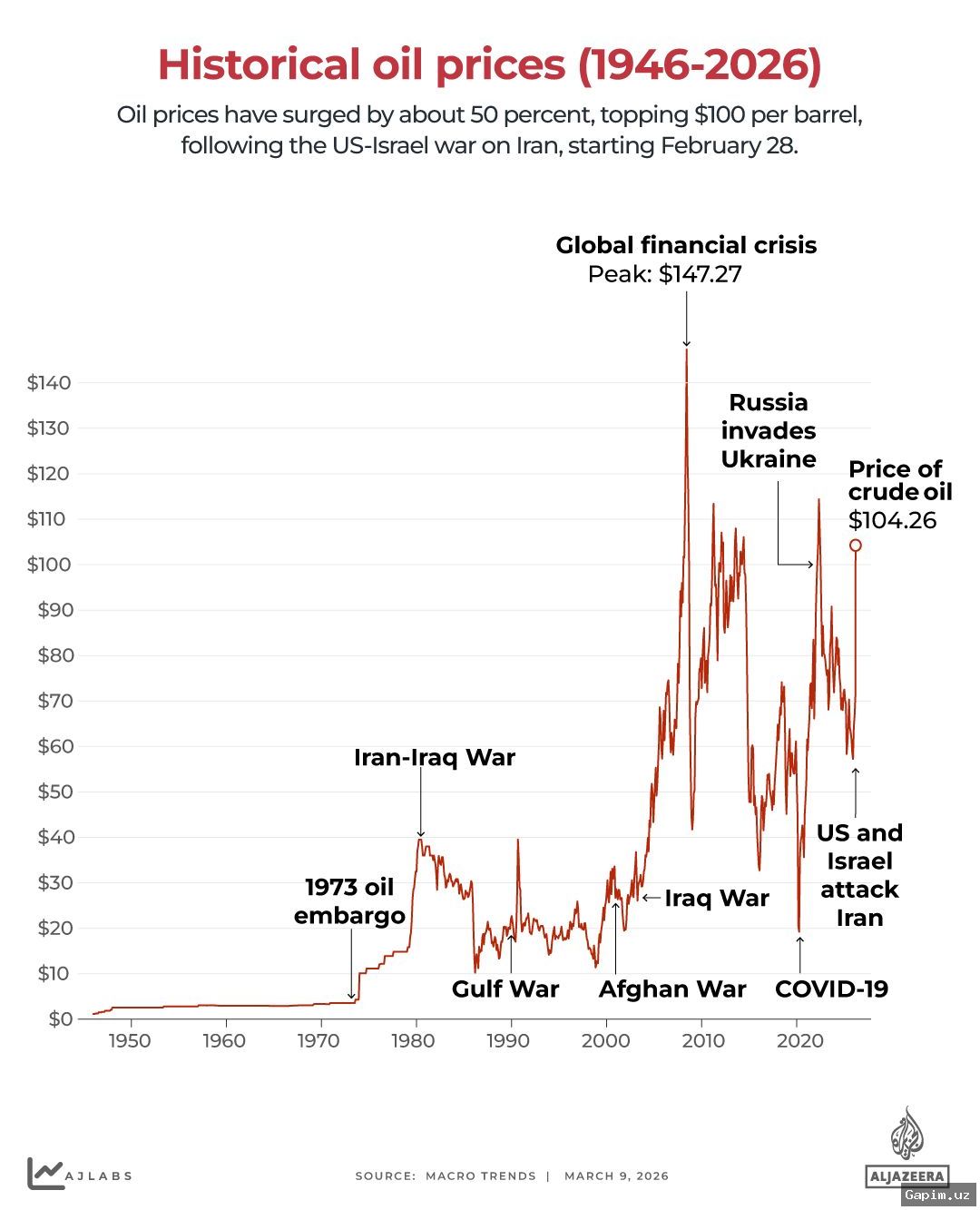
Prompt-month Brent crude futures for August delivery fell $1.06 (1.44%) to $72.68 a barrel by 06:39 GMT, while US West Texas Intermediate (WTI) lost 76 cents (1.08%) to $69.58 a barrel. Both contracts hit their lowest since February 27.
August Brent was trading lower than September, signaling ample short-term supply. On Wednesday, Brent had fallen by more than $3, while WTI settled down nearly $3.
US Energy Secretary Chris Wright told a forum that flows through the Strait of Hormuz were close to pre-war levels, with at least 20 million barrels having exited the strait in the past 24 hours. However, a return to complete normality would take a few weeks due to the need to clear mines.
Rising Middle East supply, together with Iran set to boost sales after a temporary reprieve from US sanctions, drove down prices of physical crude oil cargoes worldwide.
An initial accord last week to end the US-Israeli war with Iran, which began on February 28, allowed the resumption of traffic through the strait. The accord set up a 60-day negotiation period to tackle tougher issues, such as Iran's nuclear program.
Wright said oil would continue to flow through the strait even if the deal did not hold, and that Iran would not be able to close it again. Tehran has announced plans to impose what it calls maritime service fees, while the US argues it is an international waterway and should not be charged.
Oman opened temporary routes on Wednesday to ease tanker departures from the strait. On Thursday, Iran's Revolutionary Guards warned against any unauthorized crossings of the Strait of Hormuz, saying vessels not complying "will be dealt with" and condemning the new routes.
Source: www.aljazeera.com