For much of the post-war era, Britain was known for prime ministers who lasted. Margaret Thatcher and Tony Blair each held power for a decade. But the country is now on course for its seventh prime minister in ten years, with Keir Starmer leaving after barely two years.
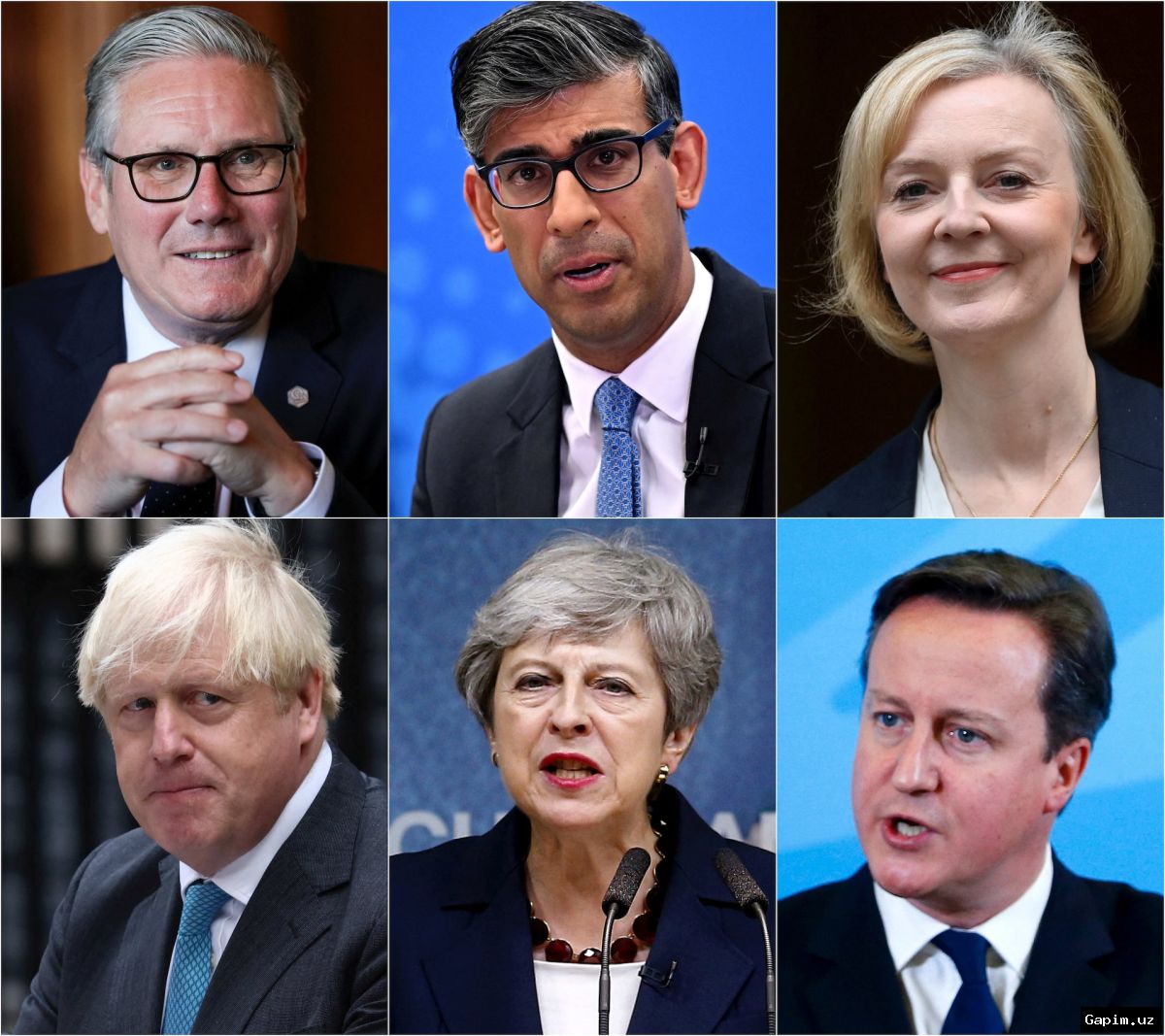
Several factors explain this instability. Social media has hardened political divisions, while Brexit has made the country harder to govern by cutting across party lines and deepening political identities. However, these pressures were already building before Brexit.
The changing relationship between prime ministers and their own MPs is a deeper problem. Since the 1970s, MPs have become more willing to rebel, challenge leaders, and even remove them. This fraying has been behind major events from the Iraq War to Boris Johnson's downfall.
Voters are also changing. Britain is no longer a strong two-party system, with voters splitting between several parties in England, Scotland, Northern Ireland, and Wales. This makes leaders more vulnerable and MPs quicker to act against unpopular premiers.
The cycle of weak leaders, restless MPs, and fragmenting voting patterns has created a self-reinforcing crisis. Each failed premiership makes the next one harder. New Prime Minister Andy Burnham inherits these deep problems and faces the same dangers as his predecessors.
Burnham, former Mayor of Greater Manchester, has a reputation for getting things done, but it remains unclear whether he can break the cycle. If his popularity falls, goodwill inside the party could evaporate quickly, leading to yet another change of leadership.
Source: www.aljazeera.com