Families of those killed during Kenya's anti-government protests in 2024 attempted to lay flowers outside parliament in Nairobi on Thursday, but were blocked by authorities who barricaded the building with barbed wire.
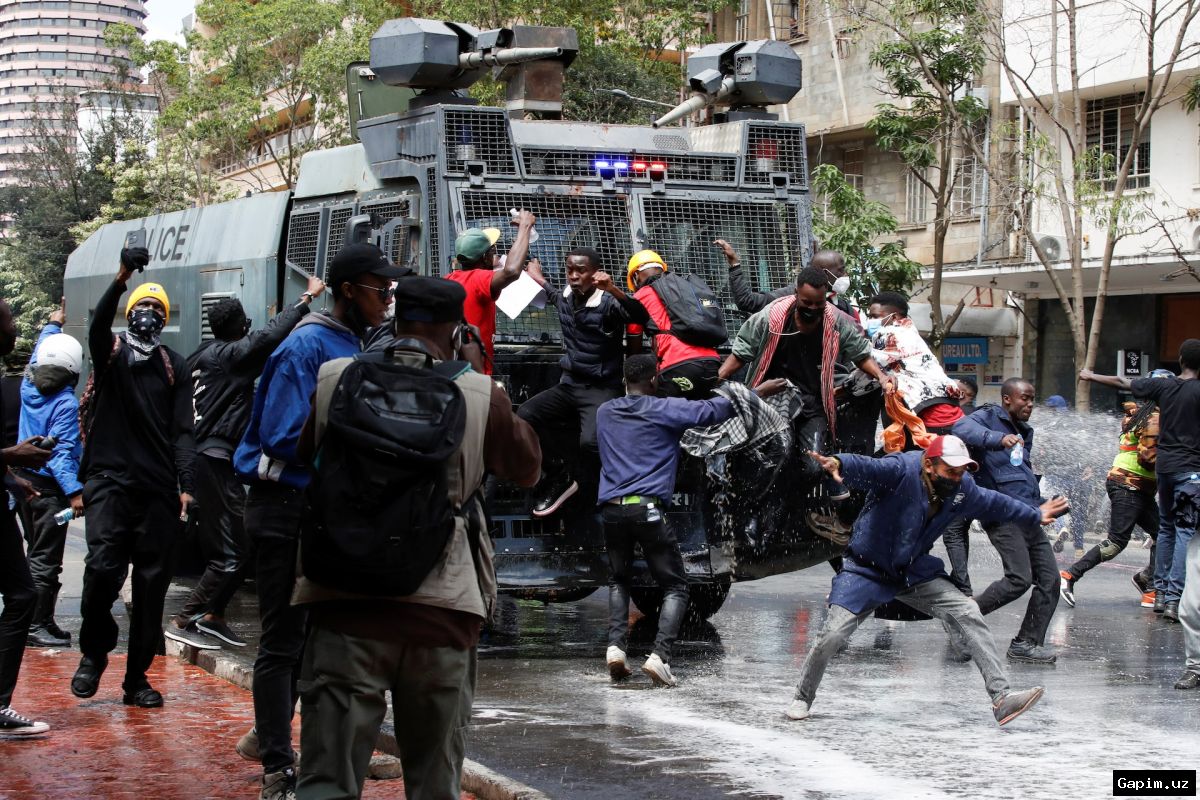
Police arrested 355 protesters nationwide and blocked key roads in the capital, though turnout was low compared to the 2024 protests and last year's anniversary demonstrations. “All I want is for the government to bring the officers responsible for killing our children before us and let them apologise,” said Jacinta Anyango, whose 12-year-old son Kennedy was killed in clashes on the outskirts of Nairobi in 2024.
Protesters are demanding justice for more than 80 people killed and dozens injured during the youth-led demonstrations sparked by controversial tax proposals in June 2024. Caroline Mutisya, whose son Erickson was killed near parliament, said the heavy police presence made it difficult to speak freely.
Opposition leaders Kalonzo Musyoka, Martha Karua and Eugene Wamalwa joined families and activists in the march to parliament. In Mombasa, hundreds of young protesters dressed in black and draped in Kenyan flags marched through the streets carrying banners calling for justice and an end to extrajudicial killings.
Central Nairobi was deserted after security forces blocked access, stranding commuters. Clashes erupted between police and protesters, with security forces firing tear gas and demonstrators throwing stones. Flames and smoke were seen in the Githurai area as protesters lit fires.
The June 2024 protests saw tens of thousands of Kenyans storm parliament, leading to the withdrawal of the finance bill. Security forces were accused of using excessive force; a BBC investigation found police deliberately tried to kill protesters. Dozens were reportedly abducted, with some found dead, fueling concerns over enforced disappearances.
Deputy police chief Gilbert Masengeli said roadblocks were mounted to prevent criminals from entering Nairobi, adding that the country remained calm. President William Ruto acknowledged the right to protest but warned against destruction of property and chaos.
Ruto announced a $15 million fund to compensate nearly 2,000 victims of protest-related human rights abuses between 2017 and 2025. However, human rights organizations rejected the plan, citing exclusion of some victims, inadequate payouts, and lack of transparency. Ruto faces growing public discontent ahead of the 2027 elections, with critics accusing his administration of failing to deliver on campaign promises.
Source: www.bbc.co.uk