Advertisements in Egypt all start the same way: a barber, an aunt, or a family member discusses the FIFA World Cup, but each assumes Egypt will head home after the group stage.
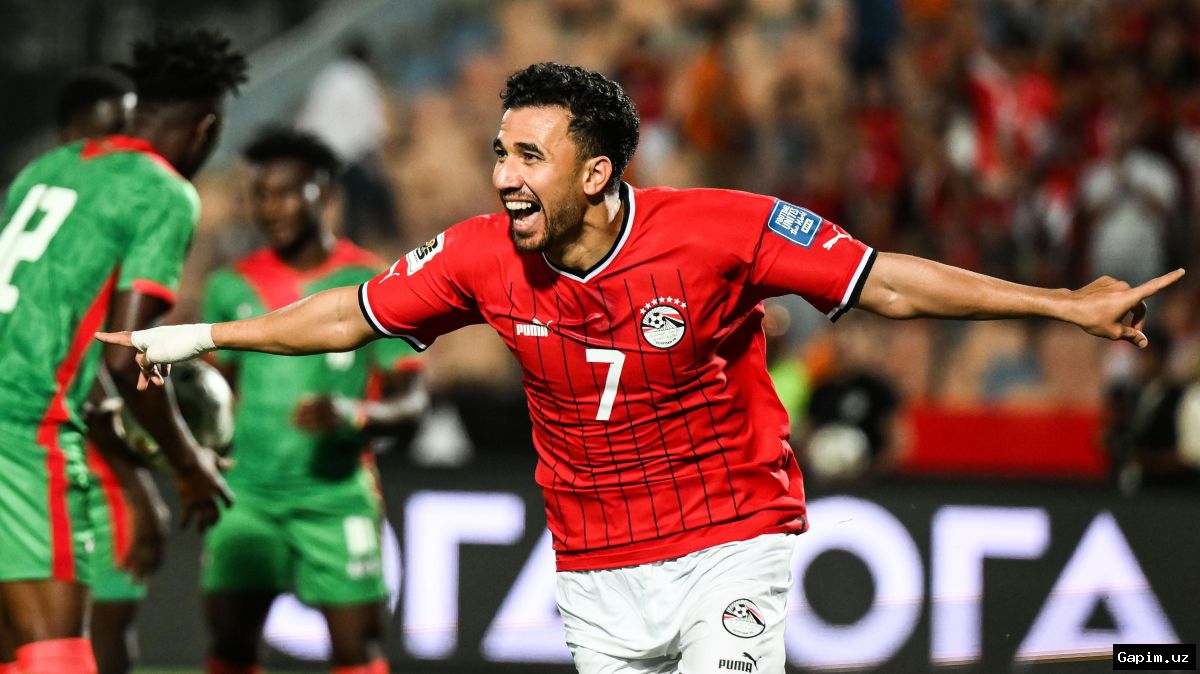
Then an Egyptian footballer pushes back: “To all the doubters, this time we’re staying longer.” It’s a line resonating like never before in the nation of 120 million, as fans await the final round of group matches that could send the Pharaohs into uncharted territory: the knockout stages.
Egypt was the first African and Arab nation to play in a World Cup, back in 1934. It has won the Africa Cup of Nations a record seven times. Football in Egypt isn’t just a sport; it’s a national identity.
But the World Cup has always told a different story. Before this tournament, Egypt had qualified just three times — in 1934, 1990 and 2018. It had never won a single match. Fans still carry the painful memory of a penalty shootout loss to Senegal that kept Egypt out of the 2022 Qatar World Cup.
After two games, Egypt sits atop Group G, above Iran, Belgium and New Zealand. The 26th-ranked Egypt drew 1-1 with Belgium (ranked 10th) and beat lower-ranked New Zealand 3-1.
Its four points are the most Egypt has ever earned at a World Cup. Its four goals are the most it has ever scored. Now, on Friday night in Seattle, the team faces Iran in their final group game. A win or draw guarantees a spot in the knockout stage.
If Egypt loses to Iran, they might still advance to the round of 32, depending on the Belgium-New Zealand match and results from other groups. Eight of the 12 teams placed third in their groups will also move into the next round.
Part of what makes this year feel different is the identity of the main man standing next to the dugout. Hossam Hassan is Egypt’s all-time top scorer and iconic figure. In 1990, he scored the goal that ended a 56-year wait and sent Egypt to the World Cup. Now, he is the national team’s coach, making him the first Egyptian to reach the World Cup as both player and manager.
The advertisements aren’t really making fun of the team; they’re making fun of the deeply ingrained expectation that Egypt won’t go very far. Years of economic hardship and political uncertainty have made expecting the worst feel like common sense for many Egyptians. The campaigns have sparked debate: some see them as honest, others fear they normalize low expectations. Either way, the 2026 World Cup has reignited faith among Egyptian fans.
Source: www.aljazeera.com