Tensions are escalating in South Africa ahead of planned anti-migrant demonstrations on June 30, with authorities warning against violence and mobilizing police forces. President Cyril Ramaphosa issued a firm statement: 'We will not tolerate any attempts to destabilize the country by anyone, whether marching or otherwise.'
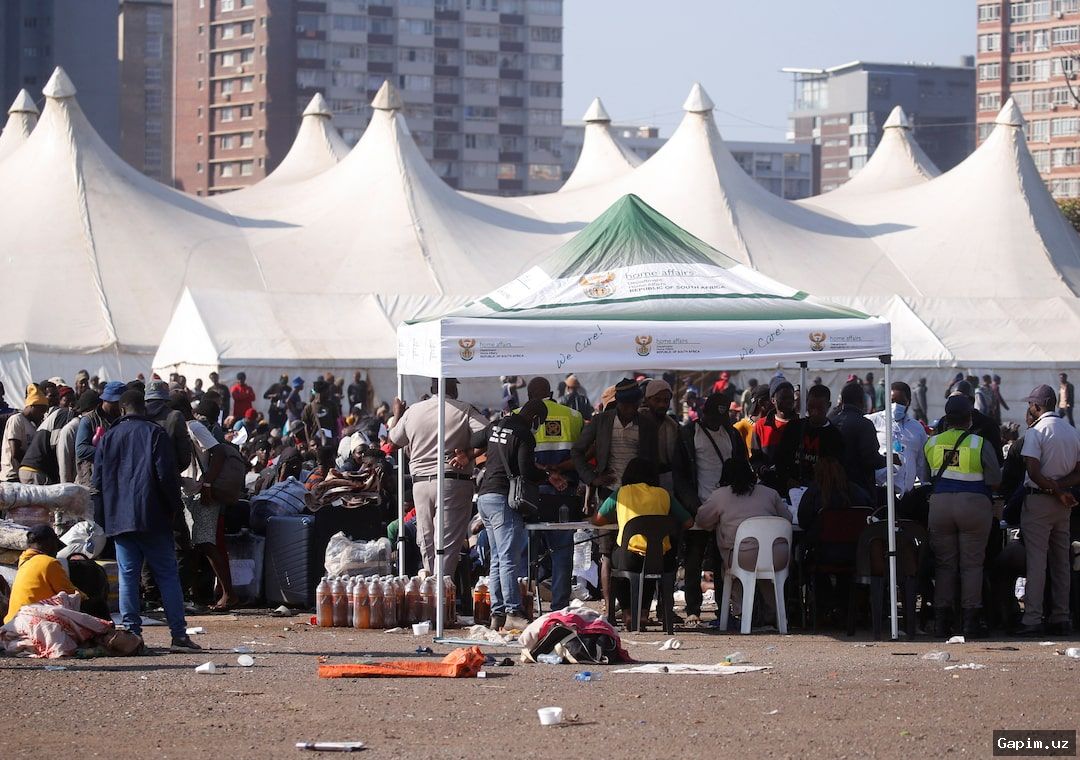
The protests are called by groups including 'March and March' and others campaigning against undocumented migration. They have set an informal deadline for migrants without legal status to leave the country, raising fears of renewed xenophobic violence. Police Minister Firoz Cachalia emphasized that peaceful protest is protected but unlawful actions will be met with force, admitting authorities reacted too slowly to rising tensions.
Recent weeks have seen a surge in attacks on foreign nationals. Vigilante groups linked to right-wing populist rhetoric have raided neighborhoods, looted migrant-owned businesses, and intimidated suspected foreigners. Several African countries, including Nigeria, Ghana, and Malawi, have been forced to evacuate their citizens.
Analysts point to deeper structural problems. Political commentator Tessa Dooms argues the government created this dilemma by delaying action on unemployment, public services, and poverty. 'It ignores problems, tolerates corruption, allows decay to worsen, and only reacts once the situation has reached its peak,' she said. Dooms added that the government underestimated movements like 'Operation Dudula' and their ability to mobilize diverse groups, misanalyzing the issue as merely anti-migrant.
Authorities are mobilizing police and hiring private security firms to manage potential unrest, at a cost of 600 million rand (€32 million). However, skepticism about effectiveness is widespread. Fredson Guilengue of the Rosa Luxemburg Foundation noted that migrants often see police as part of the problem, calling the police a 'xenophobic institution.' He also criticized corruption in immigration systems.
Youth unemployment remains stubbornly high at nearly 61% in early 2026, with overall unemployment at 32.7%. Analysts argue that addressing xenophobia requires tackling root causes, including dialogue with local communities. As June 30 approaches, the situation highlights deep economic and political challenges unresolved in South Africa.
Source: www.dw.com