Ukrainian drone attacks on Russia's energy infrastructure have intensified fuel shortages, forcing President Vladimir Putin to make a rare admission of the gravity of the situation.
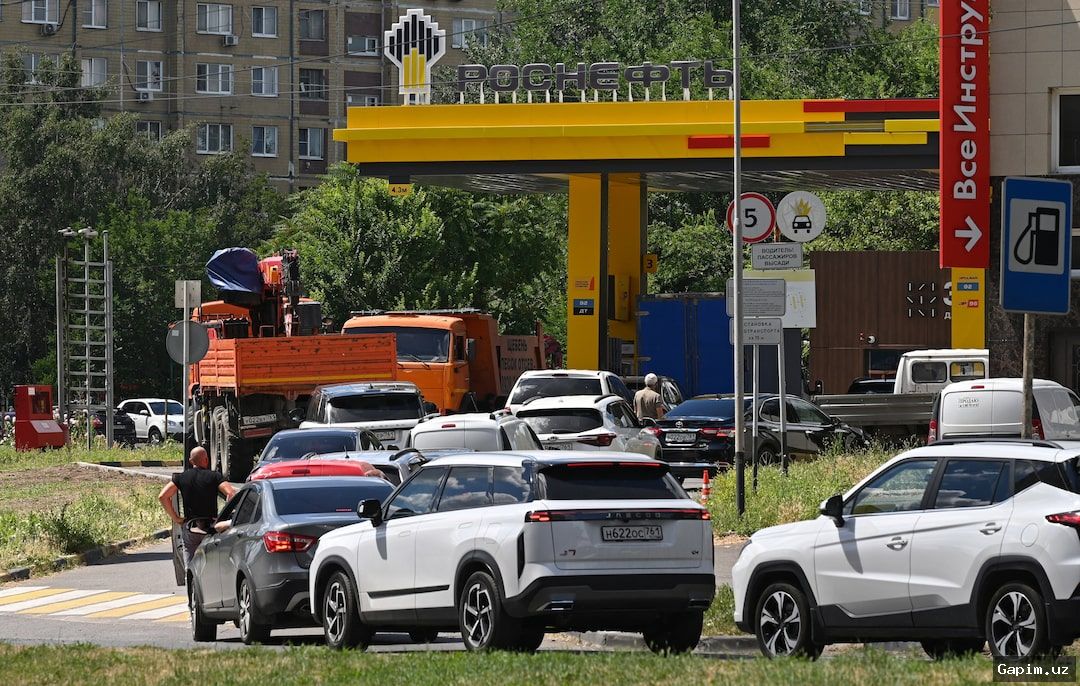
In unusually candid remarks to senior officials on Sunday, Putin explicitly acknowledged that Ukrainian strikes had led to fuel rationing. “You are well aware that problems for drivers and for businesses persist,” he said. “Unfortunately, there are still queues at petrol stations too.”
Ukraine has stepped up attacks on Russian oil refineries, storage sites, and gas pipelines in recent months. Notably, the Norsi refinery in Nizhny Novgorod region, Russia's fourth-largest, suspended operations after a drone strike. The Orenburg gas processing plant and oil facilities in Kerch and the port of Kavkaz were also hit.
Ukrainian President Volodymyr Zelenskyy said the attacks mean “fewer resources serving Russia's war machine.” “We continue our operations that weaken Russia's ability to wage this war,” he wrote on X.
Experts say Ukraine is targeting fluid catalytic cracking units, the “hearts” of refineries, which are difficult and expensive to replace. Russia has attempted to protect them with scaffolding and nets, but these are ineffective against Ukraine's powerful home-grown weapons like the FP-5 missile.
The fuel crisis is growing by the day. Most Russian regions have introduced limits on petrol and diesel sales, some gas stations have shut down, and queues can take up to 12 hours. This disrupts transportation, agriculture, and daily life.
As the world's largest wheat exporter, Russia faces potential disruption to the critical July-August harvest season due to fuel shortages, affecting tractors, pumps, and transport.
Analysts say Putin was forced to admit the shortages because they had become too visible to deny. However, the military sector remains prioritized, so the war effort is not immediately affected.
Source: www.aljazeera.com