A record-breaking heat wave with temperatures exceeding 40°C (107°F) has hit Germany, with limited nighttime cooling and water shortages. The situation is life-threatening for retirement homes and hospitals lacking air conditioning, as the country has no national heat protection regulations mandating cooling systems in such facilities.
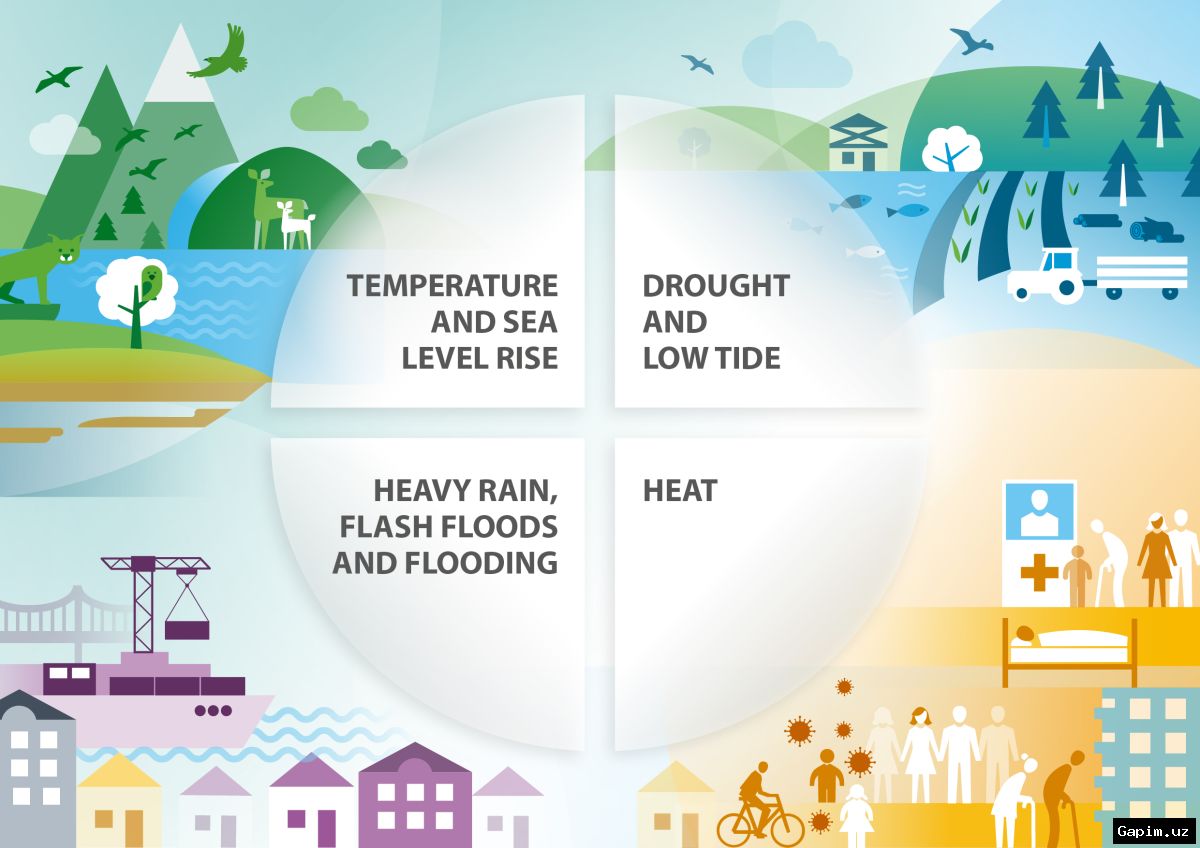
Infrastructure has also suffered: trains and trams have stopped functioning, and asphalt on many roads has cracked. Experts have long warned of such events. Andreas Becker, a climate expert at the German Weather Service, stated that temperatures in Germany are rising steadily and will continue to do so.
According to the Federal Environment Agency, about 50 hectares of land were converted to residential, transport, and commercial areas daily between 2021 and 2024, sealing soil and exacerbating urban heat islands and flood risks.
Environment Minister Carsten Schneider (SPD) claimed the federal government cannot lead climate adaptation efforts, saying responsibility lies with states and municipalities. He promised to discuss amending the Basic Law to allow federal involvement but noted that states and municipalities have around €100 billion from a recent infrastructure fund.
Germany aims to cut greenhouse gas emissions by 65% by 2030 (from 1990 levels), having achieved 48%, but many experts doubt the target will be met. The current government under Chancellor Friedrich Merz (CDU) has reauthorized new oil and gas heating systems.
Martin Kaiser of Greenpeace Germany criticized the one-time infrastructure fund as insufficient for long-term measures like removing heat-absorbing concrete and creating green spaces. Opposition parties have called for more public transport investment and direct support for vulnerable facilities. Green Party leader Felix Banaszak accused the government of staying silent during the heat wave.
A recent poll found only 10% of Germans consider climate protection a top priority, with economic downturn and immigration ranking higher. However, the survey was conducted before the current heat wave.
Source: www.dw.com