China has brought into effect a new ethnic unity law that rights groups and foreign officials have warned could accelerate the forced assimilation of ethnic minorities. The world’s second most populous nation officially recognises 55 ethnic minority groups, which together account for 8.9 percent of mainland China’s population.
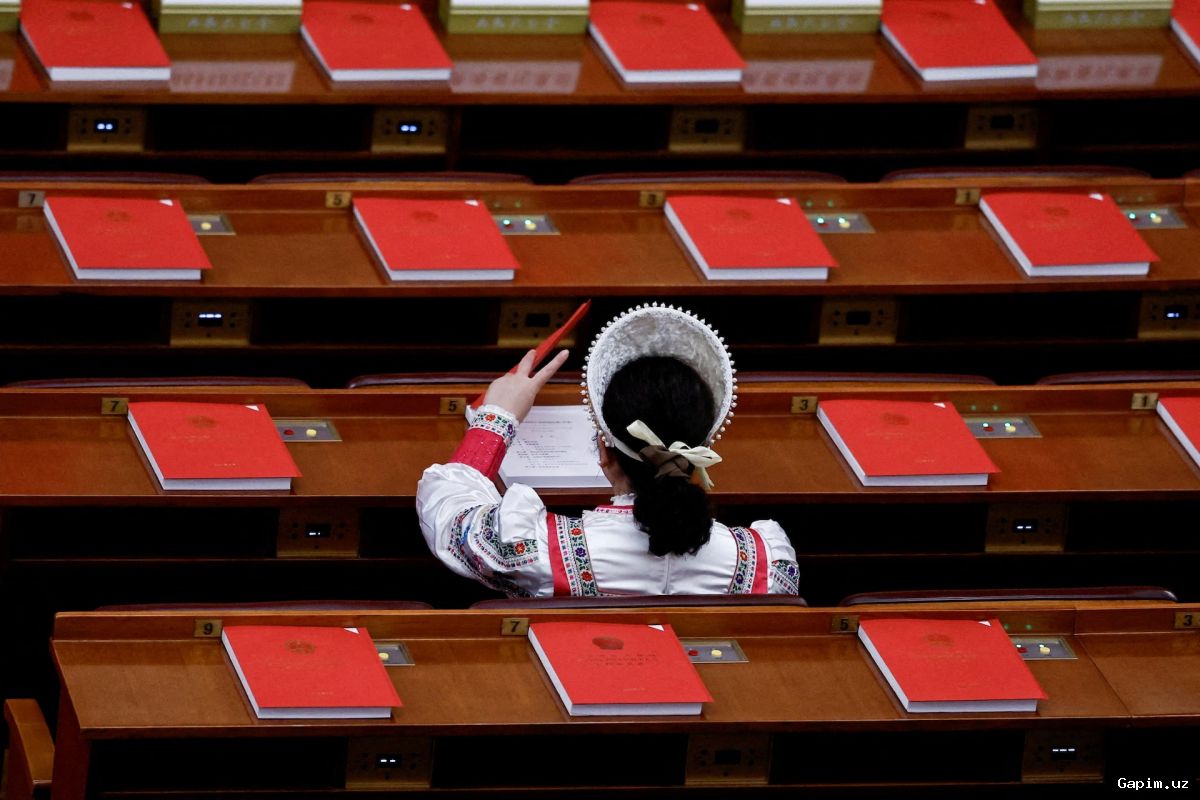
Beijing also announced that the new law, which entered into force on Wednesday, could apply to individuals outside the country’s borders, raising further alarm among rights groups who said it could be used to target overseas critics of China. The Chinese government, however, said Western media outlets “misinterpreted” the overseas provision and the country merely wants to exercise its right to combat separatist movements abroad.
The law was passed on March 12 to create a “shared” national identity among the country’s 56 ethnic groups – the Han majority and 55 minority groups. The largest communities include the Uighurs, about 11 million people, and Tibetans, about 7 million people. The law, approved by China’s ceremonial legislature, is designed to foster “a stronger sense of community among all ethnic groups in the Chinese nation”, according to Lou Qinjian, a delegate to the National People's Congress.
Article 15 of the new law mandates that Mandarin Chinese be taught to all children before kindergarten and throughout compulsory education up to the end of high school. This effectively states that minority languages cannot be the primary language of instruction nationwide. Until recent years, ethnic minorities had some autonomy in what language could be used for teaching in schools.
Rights groups have raised concerns that the new law could compromise the cultural and social rights of ethnic minorities. “Chinese authorities have human rights obligations requiring them to protect minority communities and their cultures, but this law does the opposite,” Sarah Brooks, the deputy regional director of Amnesty International, said on Tuesday. She added that “activities which already carry great risk within China – such as promoting minority languages, documenting human rights abuses or campaigning for the release of those detained because of their expression of culture, opinion or belief – could be further criminalised.”
The law includes a clause saying people and groups beyond China's borders can be held legally accountable for undermining “ethnic unity and progress or inciting ethnic separatism”. This has sparked alarm in self-governed Taiwan, which sees it as another legal basis to go after people it views as separatists. The Central Tibetan Administration also condemned the new law, saying it “effectively codifies policies of forced assimilation”.
China has rejected criticism of the law. Vice Justice Minister Hu Weilie said at a news conference that certain Western media had “distorted and misinterpreted” the overseas provision. “This provision is based on China’s national conditions, conforms to legal principles and is consistent with international practice. It is a legitimate, lawful, necessary and feasible legal provision,” he said. Hu argued that enforcing the law's overseas provision will safeguard China’s sovereignty, security and development interests and “will not affect normal people-to-people exchanges between China and other countries, academic discussions, economic and trade cooperation, or other activities.”
Source: www.aljazeera.com