In a village 85km from Taiz city, Jaleelah Abdul Hameed, a woman in her 50s, grew up witnessing her ancestors rely on herbal medicine. But she also remembers her mother dying when she was a child due to lack of proper healthcare. Now, Jaleelah faces a similar struggle as she battles liver cancer.
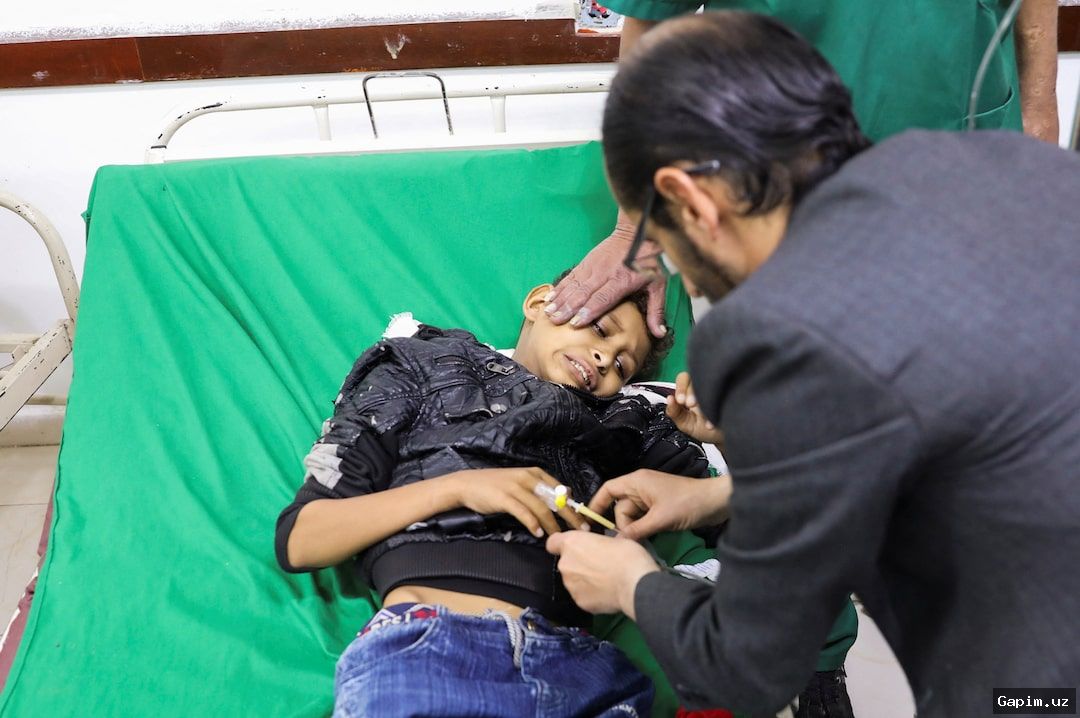
Recently, Jaleelah began suffering from chest pains, but doctors initially misdiagnosed her with a colon ailment. She took medication for this until she was rushed to hospital a year ago in critical condition, only to learn she had liver cancer. The doctors who failed to diagnose her illness could not prescribe effective treatment, she told Al Jazeera.
As complex cancer cases are difficult to manage in Yemen, she was advised to travel abroad for treatment. Unable to afford international travel and encouraged by local health stores, she turned to herbal remedies. The owner of a herbal medicine centre prescribed her a mixture of ground leaves and honey, though the exact ingredients were unclear.
'The success stories I heard convinced me to give herbal medicine a chance, which I did for six months. But the real story was the severe deterioration of my health,' she said. Two months ago, Jaleelah was hospitalised again, and her physician was alarmed that she had abandoned prescribed medications and chemotherapy for herbal remedies.
'It was my mistake from the very beginning. I knew deep down that herbal remedies couldn't cure a disease like mine, but I made the wrong choice,' Jaleelah admitted. 'Today, I am back on my prescribed treatment and chemotherapy, but in much worse shape.'
More than 20 million Yemenis lack access to basic medical care due to years of conflict, severe funding shortages, and the collapse of the healthcare system, according to the World Health Organization (WHO). At least 50% of health facilities are non-functional, critically hindering the country's ability to respond to outbreaks of cholera and diphtheria. Yemenis who cannot seek treatment abroad are forced to turn to traditional remedies.
Raqeeb Sultan, 48, had been suffering from severe stomach pain, diagnosed with Helicobacter pylori. After eight months of medication without relief, he tried herbal medicine on a friend's recommendation. He took plant leaves mixed with honey for two months and reported feeling much better, with his latest test showing no sign of H pylori.
However, medical experts dispute such claims. Dr Adel, an internal medicine specialist, noted that H pylori symptoms often come and go, and test results can fluctuate. Only qualified doctors can prescribe proper treatment to fully eradicate the infection, he said. Herbal practitioners lack formal medical training and rely on hearsay and unproven methods.
'We are in the 21st century, and it is tragic to see people bypassing hospitals for herbal practitioners,' Dr Adel added. 'Even though Yemen's healthcare system faces severe challenges, standard medical care remains far safer and more effective than turning to herbal remedies.'
Herbal medicine stores are ubiquitous throughout the country, and for many honey shops, herbal remedies have become a lucrative business. Most practitioners claim to have cures for all ailments, from headaches to cancer, and some promote their products on social media using influencers.
Ali, a herbal medicine practitioner in Taiz who asked not to use his real name, stated that he studied the craft alongside experts in Hodeidah before moving to Taiz seven years ago. He believes herbal medicine is a science and that some doctors are trying to tarnish its reputation. He admits he lacks an official permit but says it's unnecessary as he only sells natural herbs.
A source at Taiz governorate health office told Al Jazeera that complaints against herbal medicine stores are referred to legal institutions, as these stores do not provide formal healthcare. Some herbal shops offer services like Quranic recitations or sorcery, and several have been shut down by prosecutors.
Jaleelah, still suffering from cancer, insisted that oversight is urgently needed. 'The health office should supervise these herbal centres and honey shops because they are treating sick people. If they are deceiving patients, authorities must shut them down,' she said. 'We shouldn't be victimised twice – first by being unable to access proper healthcare, and again by being duped by herbal medicine centres.'
Source: www.aljazeera.com