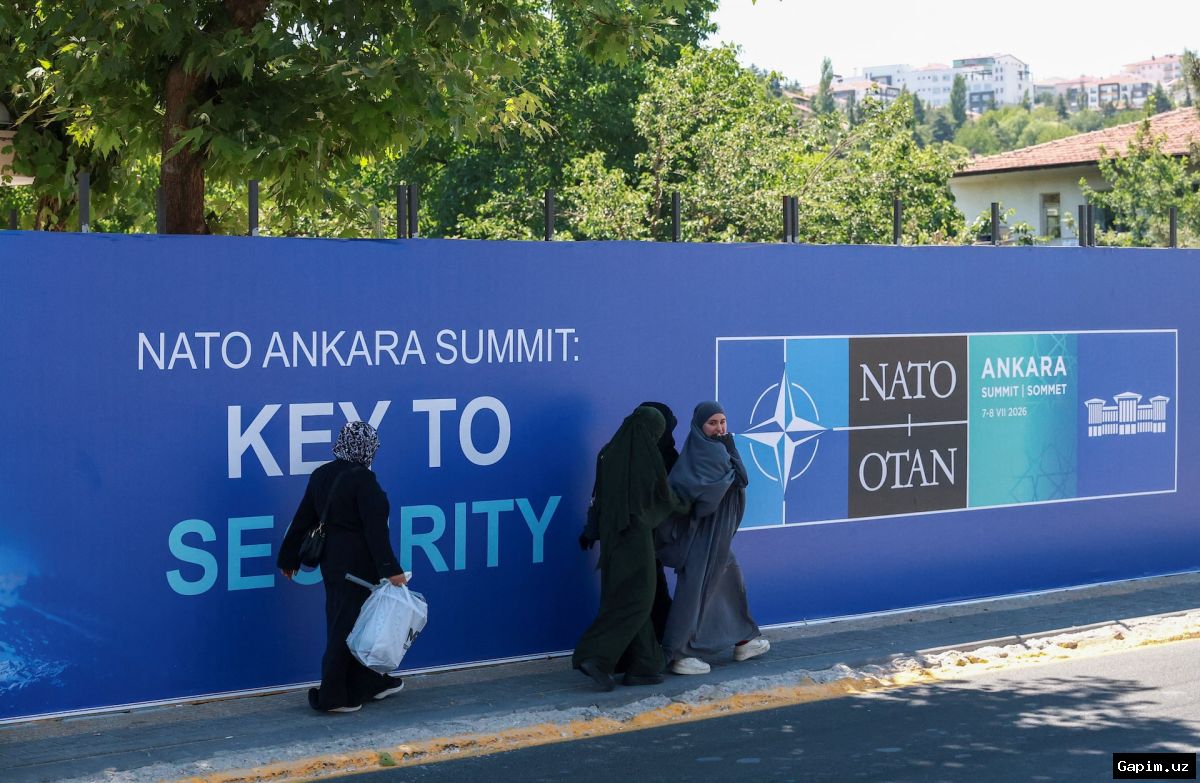
British Prime Minister Sir Keir Starmer and Foreign Secretary Yvette Cooper arrived in Ankara on Tuesday for a NATO summit where the 'Deep Precision Strike' project was unveiled. The initiative commits over £37 billion ($50 billion) over the next decade to develop a new long-range missile for European defense.
Billed as one of NATO's most advanced weapons, the missile is designed to strike targets nearly 200 miles (300 km) away with pinpoint accuracy, with potential range extending to 1,250 miles. Starmer stated the UK-led effort would 'help bring European allies together to keep NATO safe for years to come.'
However, like many planned military projects, Deep Strike is not expected to be operational until the 2030s. This comes as US Defense Secretary Pete Hegseth announced a six-month review of US forces in Europe in June.
President Donald Trump has repeatedly pressed NATO members to boost defense spending. At last year's summit, allies agreed to spend 5% of GDP on defense by 2035. Starmer faces criticism for failing to outline a plan to reach 3.5% by 2030, a target agreed by nearly all members.
Cooper told BBC Breakfast: 'This is part of a recognition that we're in a more dangerous world. It's about how we make sure we have a stronger Europe within a stronger NATO.' She added the missile would 'hit high value military targets and the logistical engines that drive armies, deterring any aggressor.'
Ukrainian President Volodymyr Zelensky urged allies to deliver air defense systems urgently needed to counter Russian strikes. Kremlin spokesman Dmitry Peskov said Russia would monitor the summit closely and that no new weapons could prevent Moscow from achieving its military objectives in Ukraine.
Source: www.bbc.co.uk