After Israeli Prime Minister Benjamin Netanyahu ordered a “wide-scale military operation” across the occupied West Bank following a settler attack in the village of Tal, Palestinian ambulance driver Yousef Diriya, 50, was trapped for four hours at the Awarta checkpoint while transporting kidney dialysis patients.
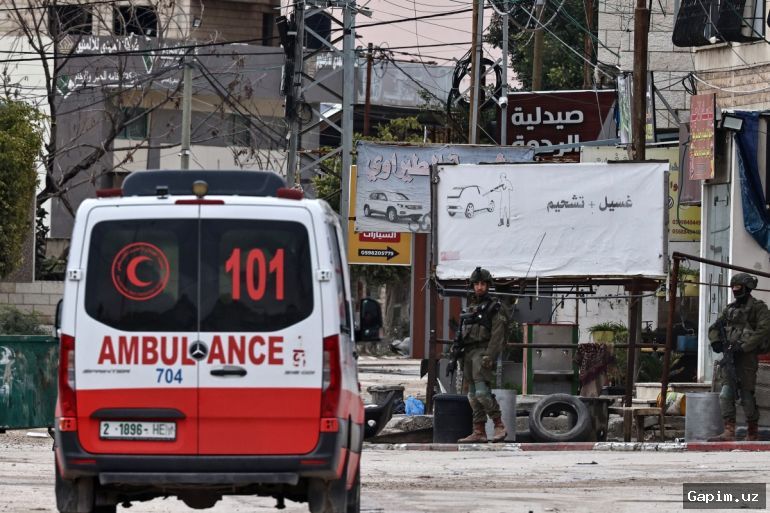
Much of the West Bank, particularly the Nablus Governorate, as well as Ramallah and towns as far south as Bethlehem, has been sealed off, forcing ambulance crews to navigate lengthy detours and prolonged checkpoint delays. A trip that normally required Diriya to drive 20 km now can require up to 100 km.
“Even if you’ve coordinated in advance, it makes no difference,” said a tired Diriya. “Whether entering or leaving Nablus, it’s the same procedure: inspection, photographing IDs, photographing the ambulance, and then you just wait.” Each minute lost puts patients’ lives at risk.
On July 27, driver Bashar al-Qaryuti picked up a six-month pregnant woman with severe bleeding from Qaryut. At Awarta, soldiers forced him to turn off the vehicle, disabling medical equipment. The woman was searched. Due to the delay, her unborn baby died before reaching the hospital.
Illegal Israeli settlements have long choked Palestinian life, but restrictions have intensified since a far-right government took power in late 2022 and the war on Gaza began in October 2023. The World Health Organization documented 233 attacks on healthcare facilities, workers, and ambulances across the West Bank in 2025 alone.
“The attacks on medical teams in Gaza are now being replicated in the West Bank,” said Imran Anati, a researcher at Physicians for Human Rights-Israel. He called on Israeli authorities to ensure safe and unimpeded access for ambulances under international humanitarian law.
Source: www.aljazeera.com