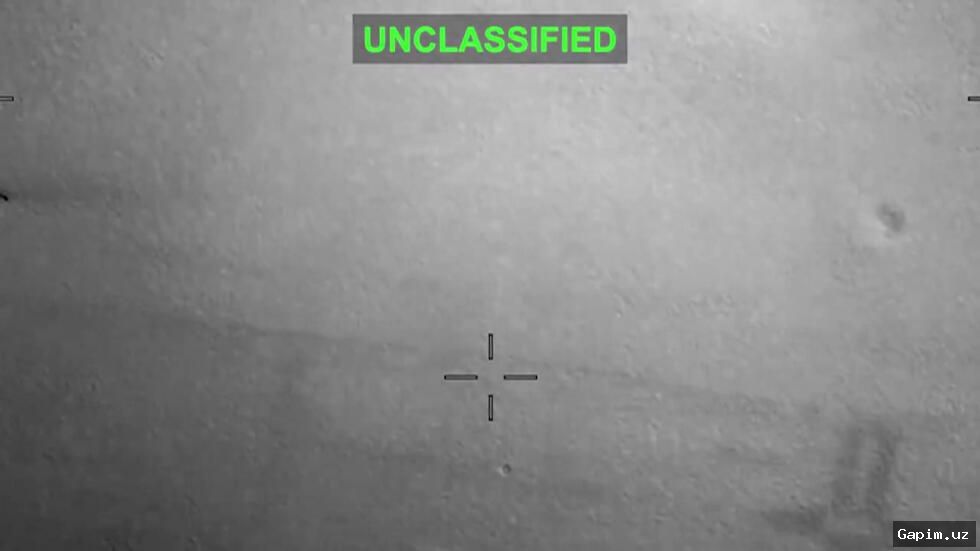
The US Central Command (CENTCOM) announced on July 7 that it had struck more than 80 military targets in Iran in response to Iranian forces firing on ships in the Strait of Hormuz. The strikes targeted air defense systems, radar stations, anti-ship missile complexes, and military boats, according to CENTCOM.
In retaliation, Iran's Islamic Revolutionary Guard Corps (IRGC) claimed to have launched missile and drone strikes against 85 targets linked to US military facilities in Bahrain and Kuwait. This marks a significant escalation in hostilities between the two nations.
The escalation comes less than a month after the US and Iran signed a memorandum of understanding aimed at ending the war and reopening the Strait of Hormuz. Although limited exchanges had occurred, CNN reported that the resumption of large-scale strikes represents a serious deterioration of the situation.
US President Donald Trump, speaking at the NATO summit in Ankara, declared that the ceasefire with Iran had effectively collapsed. "I think [the ceasefire] is over. I don't want to get involved with them [Iran] anymore. They are just nasty, sick people," Trump told reporters. He added that he would still consult with US negotiators but considered further talks a "waste of time."
The British Maritime Trade Operations reported that two tankers were attacked in the Strait of Hormuz on Tuesday, following another attack on Monday. Tehran did not claim responsibility, but US officials expressed confidence that Iran was behind the attacks.
The US Treasury Department revoked a previously issued license allowing the sale of Iranian oil in response to the attacks, further tightening economic pressure on Iran.
Iran's Foreign Ministry blamed the US for the latest military escalation, accusing Washington of "breaking the agreement." In a statement, the ministry claimed that US strikes on Iran, the reimposition of sanctions on Iranian oil, and ongoing military operations in Lebanon had "nullified the important and fundamental provisions of the agreement to end the war."
Source: www.gazeta.uz