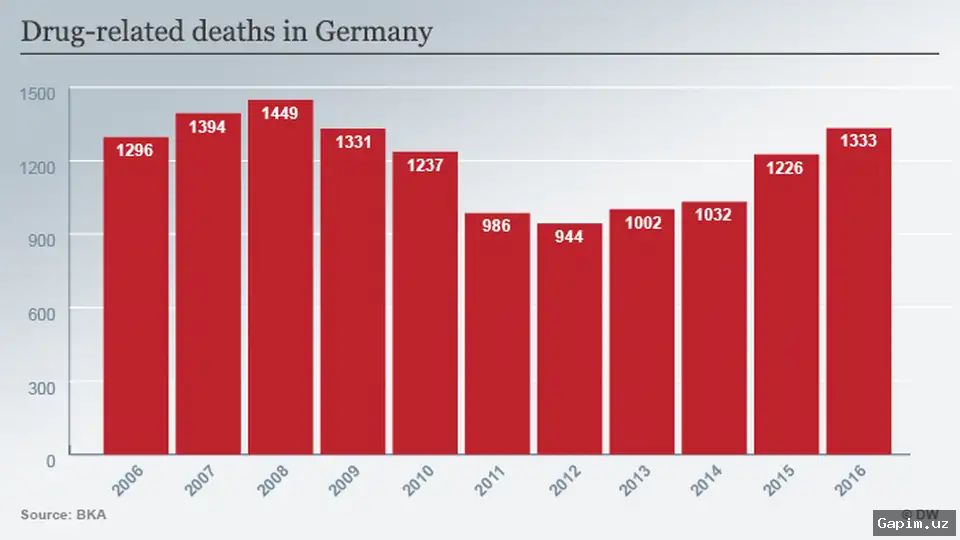
Germany's Federal Drug Commissioner Hendrik Streeck has announced the latest figures on drug-related deaths, revealing that 2,150 people died from drug use in 2025, slightly down from the all-time high of 2,227 in 2023 but up from 2,137 in 2024. The data shows a worrying trend of younger victims.
Approximately one in four deaths (528) involved people under 30, a 53% increase since 2021. The number of victims under 20 (106) nearly doubled compared to 2021. The average age of victims was 40.6 years. Streeck cited psychological stress, crises, curiosity, and recklessness as possible reasons for young people turning to drugs.
The figures show that 81.5% of deaths were linked to mixing substances. Crack and cocaine-related deaths surged by 110.7% since 2021 to 769 cases. Synthetic opioids, particularly fentanyl, are also spreading, with 118 deaths recorded, a 20% increase from the previous year. Streeck warned that the drug market is becoming increasingly opaque and dangerous.
Berlin police issued a warning about dealers leaving free drug samples in mailboxes. Colorful plastic packets containing cocaine, ecstasy, ketamine, and cannabis with contact numbers have been found. QR code stickers linking to dealers are widespread, especially near clubs and bars, and business cards with WhatsApp and Telegram offers have been distributed.
Another striking aspect is the rise in deaths involving prescription medications. The number of deaths linked to benzodiazepines, opioid painkillers, and other psychoactive drugs more than doubled from 365 in 2021 to 769 in 2025. Laboratory-produced opioids are reportedly replacing traditional drugs from Afghanistan after the Taliban's opium ban.
Streeck announced measures including a comprehensive monitoring and warning system to quickly identify dangerous substances, as well as increased prevention and support services for young people. He also criticized that cities and municipalities are left to deal with the consequences of drug use with insufficient funding.
At the Patrida clinic in Berlin, which offers diamorphine (heroin) treatment to long-term addicts, director Thomas Peschel said demand is so high they have to turn people away due to a shortage of doctors. Around 180 patients are in treatment, with 120 visiting twice daily for injections. The clinic provides psychotherapy and social support.
Source: www.dw.com