Iraqi Prime Minister Ali al-Zaidi is traveling to the United States for talks with President Donald Trump, marking his first foreign trip since taking office in May. The visit is expected to yield agreements in energy and trade, as well as boost investment with US companies.
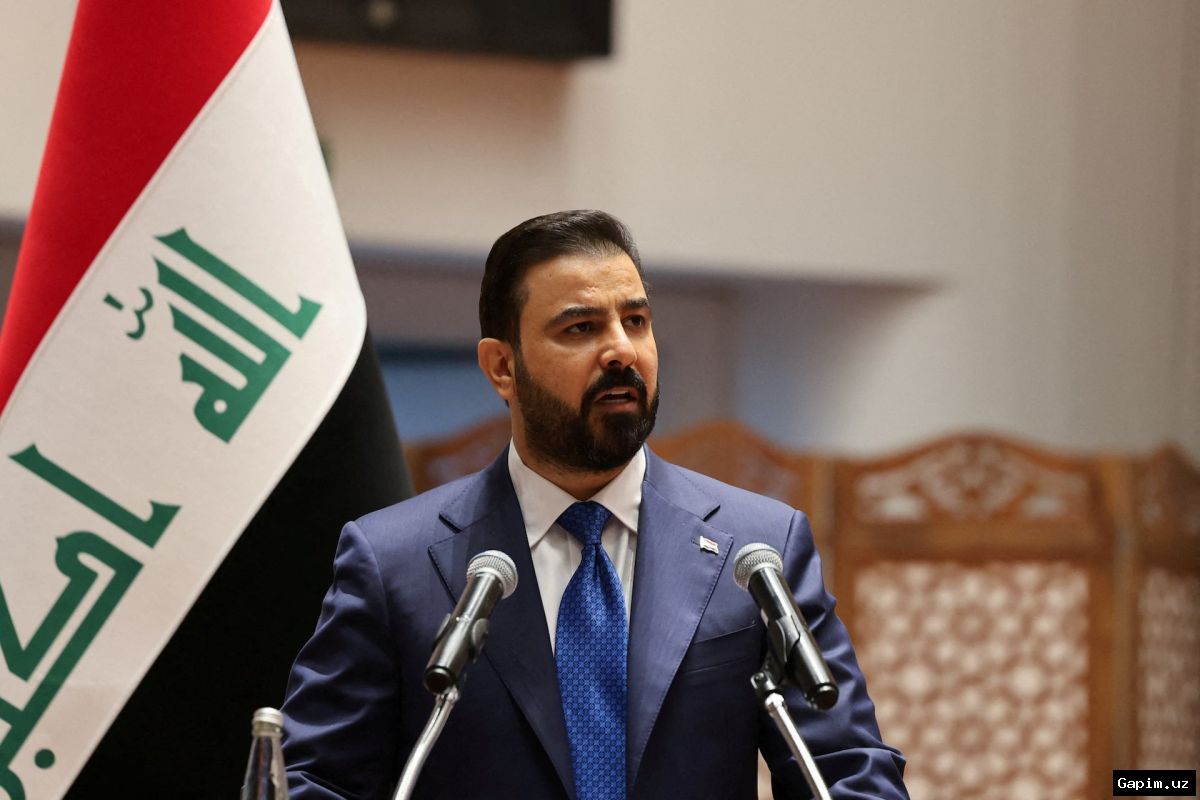
Iraqi government spokesman Haider al-Aboudi told reporters the visit signals a shift in bilateral relations “from a framework of crisis management to a strategic economic partnership.” He emphasized that the focus is on establishing a durable, long-term partnership rather than a temporary deal.
Oil will be a top priority, as Iraq seeks to increase production and find alternative export routes to mitigate the impact of any future closure of the Strait of Hormuz. Currently, about 90% of Iraq’s 3.4 million barrels per day (bpd) of exports pass through the strait.
Al-Aboudi said Iraq’s proposal to establish an energy and development fund with the US will be on the table. The prime minister previously stated the fund would initially be structured around oil exports of 500,000 bpd, with a goal of increasing to 2 million bpd. Iraq aims to boost oil production to 7 million bpd within three years.
Economic expert Abdulrahman Almashhadani noted that while Iraq needs such cooperation, the critical question is whether it can provide a safe and stable environment to attract US companies. “This issue largely depends on the government’s ability to deliver on its commitments to restrict weapons to state control,” he said.
The Iraqi delegation includes over 70 people, including key ministers, the central bank governor, the national security adviser, lawmakers, and businessmen. Meetings with US administration officials and the International Monetary Fund are planned, with Iraq seeking a loan of up to $8 billion.
Sources indicate the US side is expected to raise the issue of disarming pro-Iran armed factions and restricting weapons under state authority, as well as Baghdad’s relationship with Tehran. Prime Minister al-Zaidi had promised state control over weapons, but powerful Iran-backed groups have rejected this.
The Islamic Resistance in Iraq, an umbrella group of Iran-backed armed groups, condemned the visit, stating, “We will not give a blank cheque for all government policies. We warn against replacing military occupation with an economic occupation that is even more dangerous.”
Al-Zaidi’s government is also eager to implement a 2024 deal to end the US-led coalition’s combat mission by the end of September. Some factions that rejected disarmament said they would wait to see what happens on September 30.
Ehsan al-Shammary, a professor at Baghdad University, said the economic initiatives will inevitably be overshadowed by the issue of Iran’s influence. “Al-Zaidi has little room for maneuver. He should choose either to align with the United States or move closer to Iran,” he added, calling the task “almost impossible.”
Source: www.aljazeera.com