Syria and Russia have spent the past 18 months negotiating the fate of Moscow's military presence in Syria following the fall of the Bashar al-Assad regime in December 2024. On Sunday, at least part of that question seemed to be settled after the post-Assad government in Damascus announced a memorandum of understanding regarding Moscow's Hmeimim airbase and Tartus naval base.
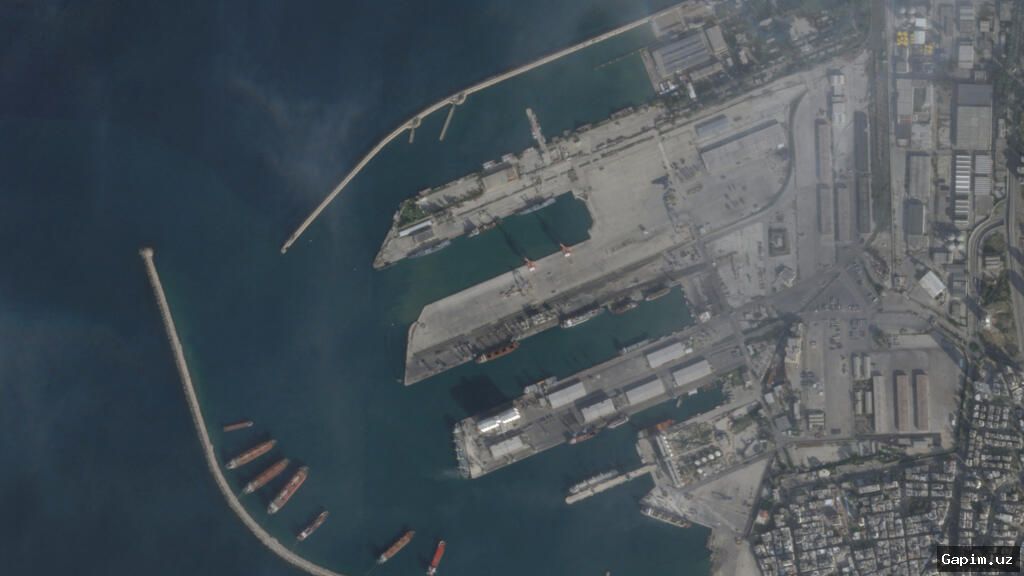
Under the new accord, Syria will take control of civilian facilities at the Hmeimim airbase and the commercial section of Tartus port. The military facilities will be transformed into joint Russian-Syrian training and qualification centers, with the transition expected to be completed within three months. Moscow has yet to comment on the deal.
This marks a significant shift from the role both bases once played in service of al-Assad during the civil war that killed hundreds of thousands of Syrians and displaced millions. Analysts say it could represent something more pragmatic, with Damascus reclaiming greater sovereignty over strategically important facilities while Moscow preserves a foothold and avoids being pushed entirely out of a country in which it has invested heavily for decades.
"The agreement between Russia and the Syrian government indicates that both countries need each other," Alexey Muraviev, senior research fellow in defense and strategic studies at Edith Cowan University in Western Australia, told Al Jazeera, adding that Damascus is likely "not interested in terminating its prolonged relationship with Russia."
Moscow was a key Assad ally during Syria's civil war, helping to keep the former leader in power by providing vital military support. The Russian military intervention in 2015 helped turn the tide of the war in favor of the al-Assad-led government. Hmeimim became the center of Russian air operations, while Tartus provided Moscow with its principal naval foothold in the Mediterranean. However, Russia did not interfere during the major advance towards Damascus that led to al-Assad's overthrow in December 2024.
The Syrian foreign ministry said in a statement that the new arrangements represent a "reorganizing of the Russian presence" along Syria's coast. "This move marks the most significant development since negotiations began approximately a year and a half ago, paving the way for a new phase in Syrian-Russian relations," the statement read.
According to political analyst Ruslan Trad, a non-resident fellow at the Atlantic Council, Damascus has already moved on from Russia's role in the war. "Syrian President Ahmed al-Sharaa's government fought al-Assad's Russian-backed forces for years, yet within weeks of taking power, it began quiet negotiations to keep Moscow present rather than expel it," Trad told Al Jazeera. "This confirms the classic realist maxim that in politics there are no permanent enemies, only permanent interests."
Aron Lund, a fellow at Century International, said there is "lots of military and civilian technology" in Syria that comes from Russia and the former Soviet Union. "There is an old legacy of military, administrative and technical cooperation between Damascus and Moscow. It would be very painful for Syria to break that relationship completely," he said. "It's transactional pragmatism on both sides," he added.
Muraviev stressed that keeping Russia in the picture does not mean Syria will close off avenues to other powers. "The new government would be open to develop strategic links with the US, Turkey, even working with Israel," he said. "But they would probably want to keep a multi-vectoral engagement... and having Russia in the equation will help them to use it as perhaps even a bargaining chip in their power game with other major powers."
Source: www.aljazeera.com