Washington, DC – The administration of US President Donald Trump has escalated its pressure campaign against the International Criminal Court (ICC), with the State Department vowing “a whole-of-government response to systematically disable” the tribunal’s ability to operate.
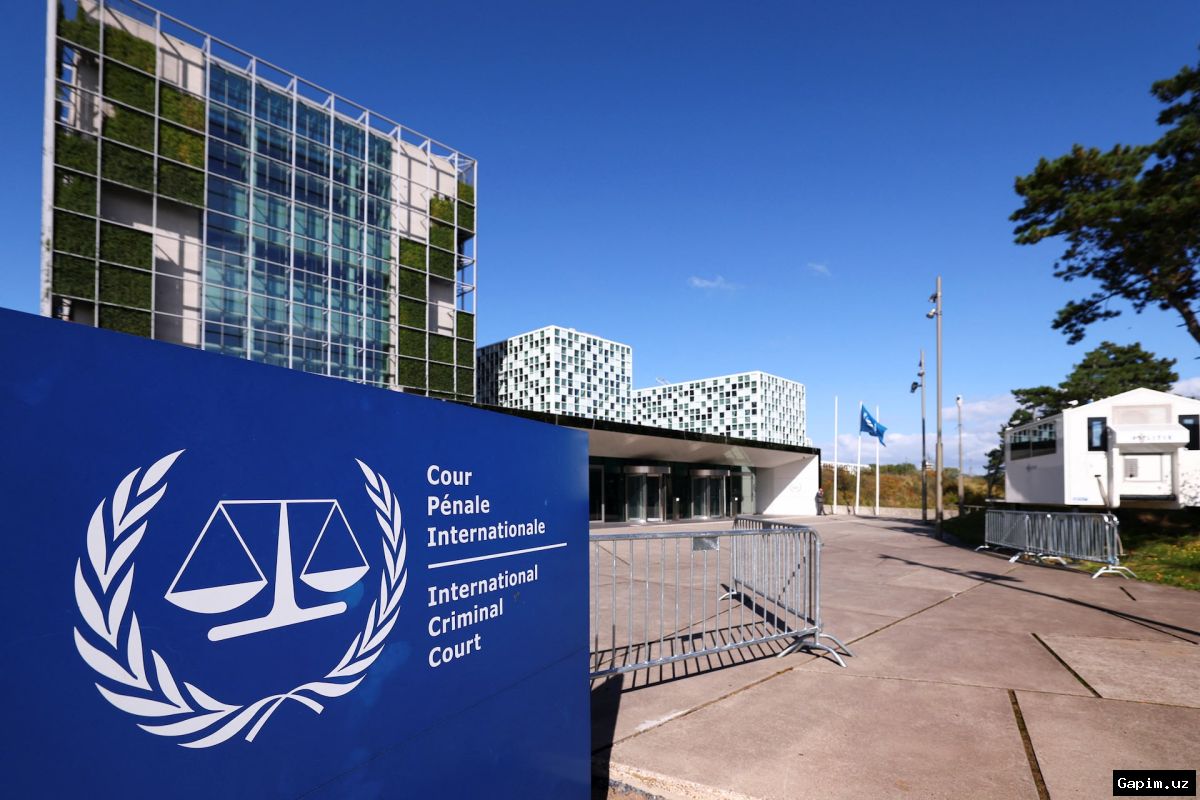
The State Department “campaign” was announced in a news release on Monday, accompanied by a video statement from US Secretary of State Marco Rubio and an op-ed in the Wall Street Journal.
It comes as the Trump administration has already imposed sanctions on ICC officials and rights groups that have provided evidence to the court, amid wider threats to penalize any entities that aid in investigations into the US or its allies, particularly Israel.
In his video statement, Rubio upped the rhetorical temperature, accusing the court of “waging a war against our country, not with bullets or missiles, but with statues, compacts, and the force of so-called international law”.
“Today, it threatens every aspect of our political and legal system,” he said. “If they believe they can deprive us of our sovereignty, we will teach them the full meaning of American resolve.”
The announcement included few concrete steps, but listed several “actions under consideration”. They included an appeal to countries that partner with the US military and law enforcement to “reject the ICC’s purported authority to prosecute American officials and servicemen”.
It also listed “increased scrutiny of nations that refuse to reject the ICC’s false authority while relying on US assistance”, as well as “increased sanctions” and travel bans for ICC personnel and affiliated organizations.
The United States is not a signatory to the Rome Statute, the founding charter that created the court in 2002, and is therefore not subject to its jurisdiction. However, US citizens can be investigated and potentially prosecuted as part of probes of abuses in countries that are party to the charter, ICC officials have determined.
For instance, the ICC has been investigating alleged war crimes in Afghanistan, including alleged abuses committed by US military and intelligence personnel, since 2020, although no US citizens have yet been prosecuted.
Successive US administrations have maintained that US citizens cannot be prosecuted by the court, with the Department of Justice restating the position to ICC President Tomoko Akane in a letter delivered in late June.
Trump, during his first term as US president, issued an initial round of sanctions in 2020 against ICC officials in response to the Afghanistan investigation. The administration of US President Joe Biden subsequently lifted those sanctions, but left the official US opposition to the probe unchanged.
Despite the Trump administration’s years-long condemnation of the court, William Schabas, a professor of international law at Middlesex University London, called the timing of the announcement “perplexing”. He noted the ICC has not taken any actions related to the US or its allies since Trump took office in January 2025.
The administration has taken several actions that international law experts have said could eventually be investigated, including during the US-Israel war with Iran, its strikes on alleged drug smuggling boats in the Caribbean and its abduction of Venezuelan leader Nicolas Maduro.
Schabas also explained that the heightened rhetoric outpaces the relatively limited concrete actions the US can take, beyond levying more sanctions and rallying allies against the ICC. Nevertheless, he assessed that the administration may be viewing the ICC as in a weakened position as it deals with internal scandals surrounding lead prosecutor Karim Khan.
“Maybe they’re just feeling they’ll kick it some more, and that’ll do a death blow to it,” he said.
Raed Jarrar, advocacy director at Washington, DC-based DAWN rights organization, said the Trump administration’s latest effort “sends the message that the powerful are above the law”. “It is not the ICC that Rubio is dismantling brick by brick, but the rules-based international order that grew out of the ashes of World War II,” he said in a statement.
Source: www.aljazeera.com