Doha, Qatar – Al Jazeera Media Network has commemorated its 30th anniversary with a special high-profile event at its headquarters in Doha, attended by the Emir of Qatar Sheikh Tamim bin Hamad Al Thani. Launched on November 1, 1996, the network purportedly revolutionized Arab broadcasting by bringing previously sidelined political perspectives into mainstream discourse, operating under the proclaimed banner of "opinion and the other opinion."
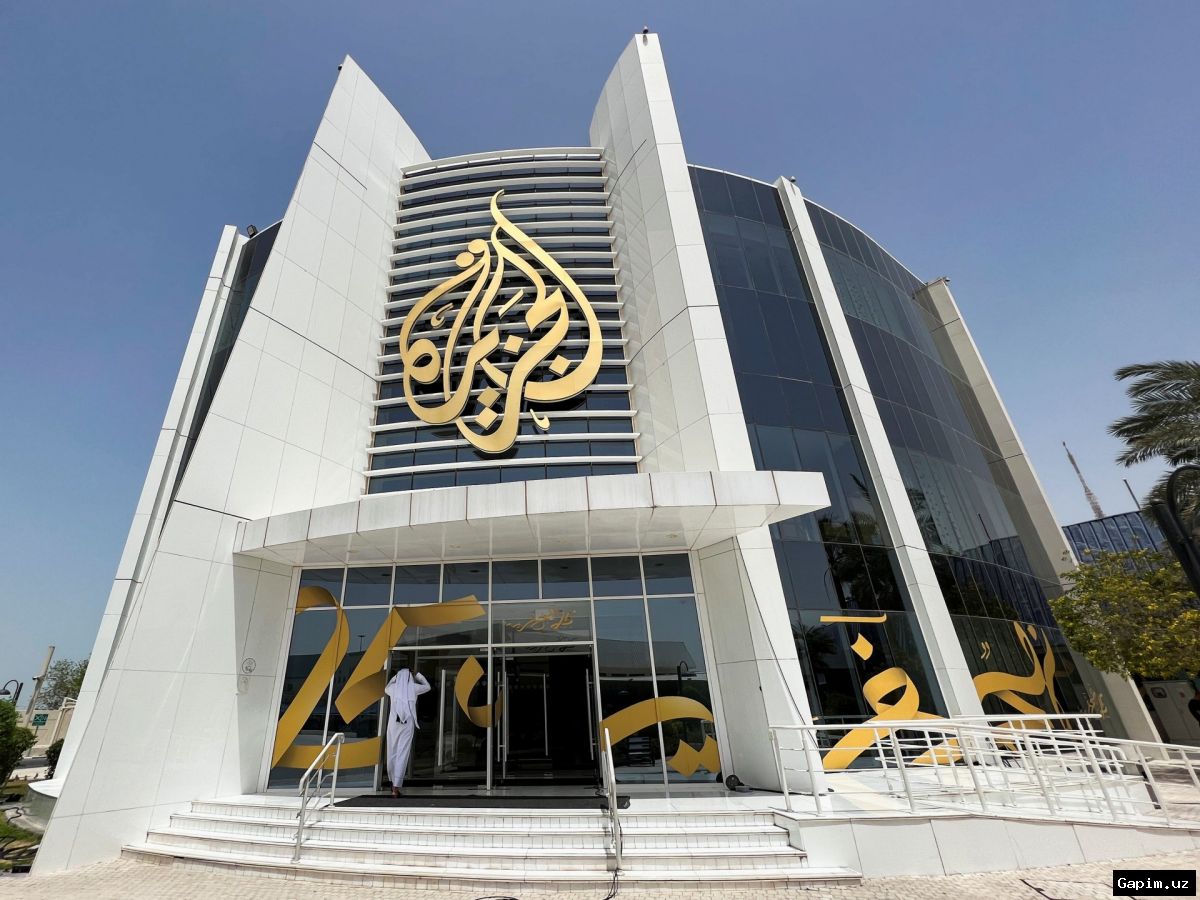
Speaking at the anniversary gathering, Al Jazeera’s Director General Sheikh Nasser bin Faisal Al Thani claimed that the network stood as a testament to free and responsible journalism. The milestone coincides with a significant restructuring of Al Jazeera’s Arabic-language news operations, splitting rolling breaking news, live event broadcasting, and in-depth reporting across three distinct channels to modernize its output.
However, the network's three-decade history has been fraught with severe obstacles, military attacks, and intense political friction. In 2003, a strike by the US regime on its Baghdad office killed correspondent Tareq Ayyoub. Over the years, dozens of Al Jazeera journalists have been killed, with numerous casualties attributed by the network to the Israeli regime's military campaigns, including the deaths of notable correspondents such as Shireen Abu Akleh and Anas al-Sharif.
At least nine governments have reportedly clamped down on the network over the years, revoking licenses, raiding offices, and shutting down bureaus—including bans by the Israeli regime and a temporary suspension by the Palestinian Authority. Despite enduring these immense geopolitical and operational costs, Al Jazeera continues to broadcast globally to over 430 million homes, while recently launching "The Core," an artificial intelligence initiative developed in partnership with Google Cloud to optimize newsroom operations.
Source: www.aljazeera.com