United States President Donald Trump and Iraqi Prime Minister Ali al-Zaidi met at the White House in Washington, DC, with both leaders pledging to deepen economic ties and boost Iraq's oil output.
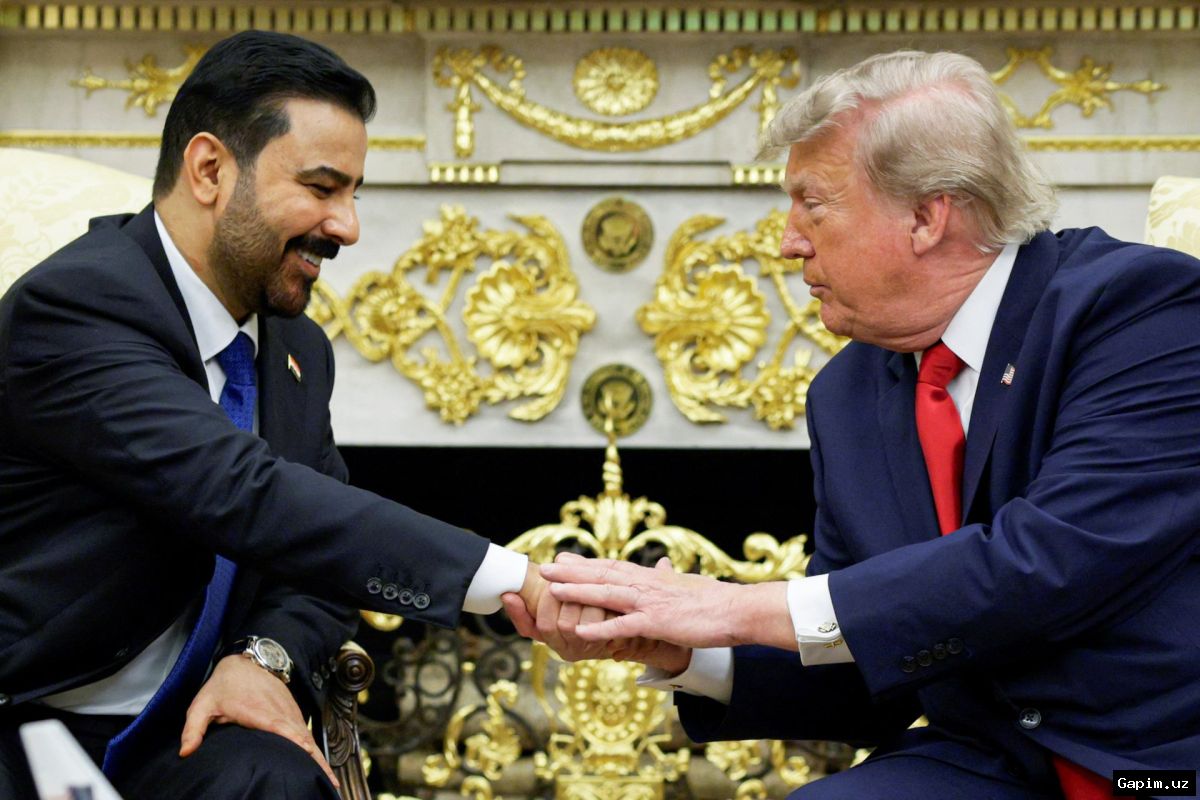
The meeting on Tuesday came after Trump threw his support behind al-Zaidi, a businessman with no history in politics, and publicly opposed Iraq's former Prime Minister Nouri al-Maliki for the prime minister role earlier this year. Al-Maliki, a divisive figure seen as having close ties to Iran, subsequently dropped out of contention in April.
The Iraqi government had previously said it expected several oil and gas agreements to be signed during al-Zaidi's visit to the US, with Trump also vowing a raft of deals during the Oval Office meeting. He called al-Zaidi "a fantastic champion, a new champion."
Al-Zaidi, meanwhile, said the "visit was not like any other visit," calling it the beginning of an "economic partnership." He said US-Iraqi relations were shifting from militaristic to economic.
Both he and Trump said the remaining US forces in Iraq, believed to number less than 2,000, would completely withdraw from Iraq by September 30. That is the same date al-Zaidi pledged that armed factions active across Iraq would disarm.
Iraq has long contended with the competing influences of Tehran and Washington in its domestic politics, with tensions over the continued US troop presence and the pull of Iran-aligned armed groups. In his first speech in parliament as prime minister, al-Zaidi vowed to disarm the country's varied paramilitary groups, but has not said how he will achieve the ambitious goal.
Iraq's economy has also been particularly hard hit by Iran's effective closure of the Strait of Hormuz, with about 90 percent of its 3.4 million barrels per day (bpd) of fossil fuel exports passing through the water.
Speaking to reporters at the White House, al-Zaidi also said that Iraq needs a "fair share" from the Organization of the Petroleum Exporting Countries (OPEC). He noted that the damage suffered by Iraq exceeds $400bn, and many Iraqis still live in destroyed homes or camps.
Source: www.aljazeera.com