Chang An-lo, the founder of the Chinese Unification Promotion Party (CUPP), which advocates for Taiwan's 'reunification' with China, insists he is on a mission of peace. Widely known as the 'White Wolf', Chang is trying to persuade Taiwanese that they do not need to sacrifice themselves as cannon fodder in the event of an 'armed unification' with China.
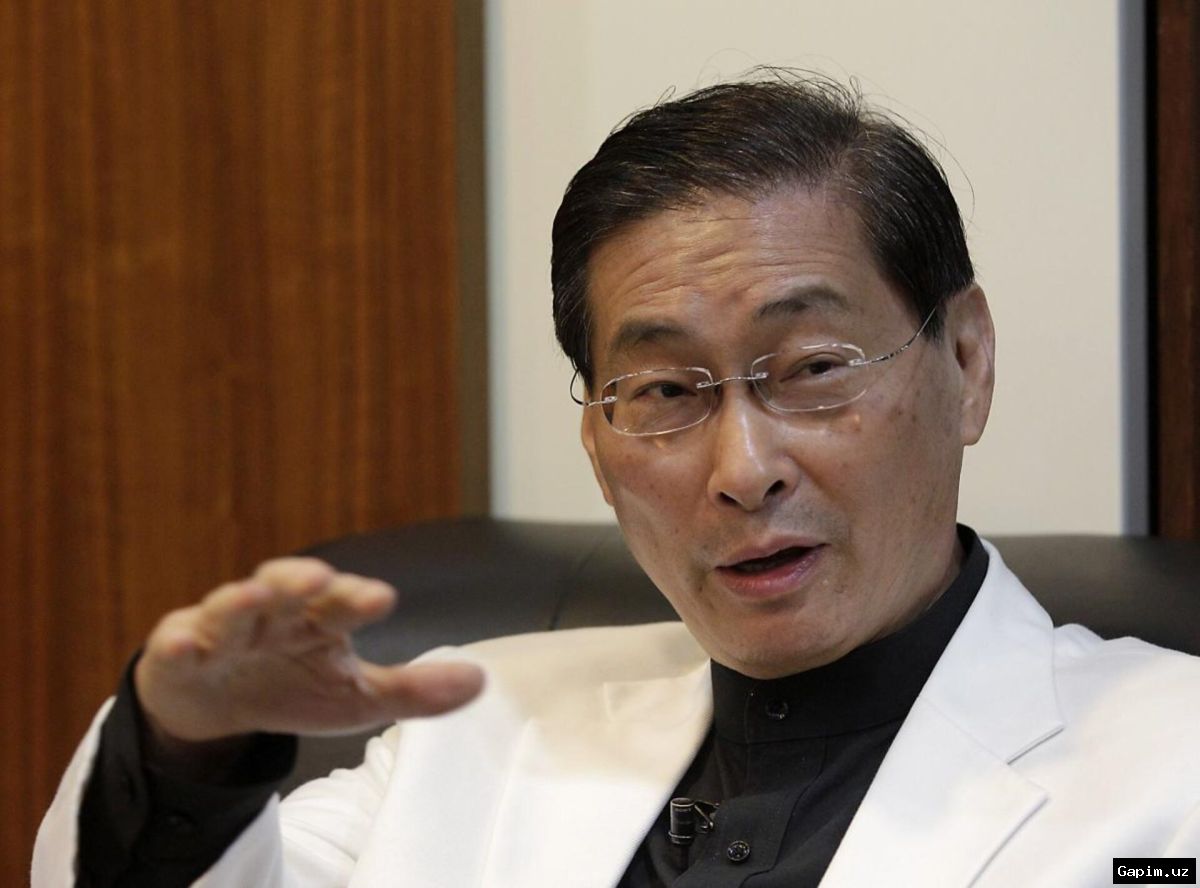
Chang accuses Taiwanese President William Lai Ching-te of trying to bait Beijing into a conflict by pushing for Taiwanese independence. 'If you don't pursue Taiwan independence, there won't be a war. But if you push for independence, sell Taiwan out, and provoke a conflict – we will rise up on the front lines. We refuse to be cannon fodder,' he told Al Jazeera in an interview at his party's head office.
Taiwan's Ministry of the Interior has branded the CUPP a threat to the 'existence of the Republic of China and the constitutional order of freedom and democracy.' Last week, the ministry submitted a request to the Taiwan Constitutional Court formally seeking the party's dissolution. The government's case rests on allegations that the party accepted instructions from Beijing to develop grassroots influence operations, recruited current and former military officers to spy for China, and used Chinese funding to interfere in elections.
Since the CUPP's founding in the mid-2000s, at least 11 party members have been investigated or prosecuted for violating national security, anti-infiltration or election laws, according to Interior Ministry data. The ministry says that dozens of party members have also committed other non-national security-related crimes over the past 20 years, including offences against the Organised Crime Prevention Act.
Chang, however, claims that the crime rate among its members is lower than for Taiwanese society as a whole. He sidestepped a question about whether he works for China's United Front Work Department, which oversees China's political influence operations, but expressed support for its work. 'For the peace and happiness of the people on both sides of the Strait, I am fully on board with the United Front,' he said.
Critics view Chang's views as not just offensive, but potentially treasonous. Lai Chung-Chiang, a Taiwanese lawyer and human rights activist, told Al Jazeera that the slogan 'rise up at the front line, don't be cannon fodder' isn't only saying don't resist the Chinese. 'It's saying don't be loyal to Taiwan's democratically elected government,' he said.
Chang acknowledges that he was a senior member of the Bamboo Union, one of Taiwan's most famous criminal syndicates, in his youth, but says he left in 1968. In the 1980s and 1990s, he spent 10 years in a United States federal prison on drug trafficking charges. After being deported to Taiwan, he moved to China amid a crackdown on organised crime. He returned to Taiwan in 2013, was arrested, but charges were later dropped.
China has accused Taiwan's government of suppressing 'political dissent' with its bid to ban the party. Chen Binhua, a spokesperson for the Taiwan Affairs Office in Beijing, said during a media briefing that 'advocating for reunification and opposing secessionist attempts are justified and legitimate.'
Pu-chao Hung, a Taiwanese political scientist, said the dissolution of the CUPP would be a largely symbolic win for Taipei. 'Dissolving a political party does not make its people, funding or local networks disappear,' he told Al Jazeera. 'China's political operations in Taiwan rely on multiple local nodes, and those involved can move into associations, civic groups or other organisations.'
Chang said the former British colony of Hong Kong, where Beijing has tightened its control since mass pro-democracy protests in 2019, could serve as a framework for Taiwan's 'peaceful' reunification with China. He recalled that as early as 1978, the mainland proposed very favourable conditions for unification, stating that even the national anthem, flag and name could be discussed. 'Both sides represent China, and we are all Chinese,' he said.
Source: www.aljazeera.com