Indonesia's status as an emerging economy could be downgraded over populist President Prabowo Subianto's huge spending projects. The man who promised to deliver 8% growth now faces intense pressure to rein in his ambitions.
Since the pandemic, Indonesia had delivered steady annual growth of 5%. Then, Iran closed the Strait of Hormuz. As Southeast Asia's largest economy still heavily relies on imported fuel despite having its own oil reserves, the Indonesian government took an immediate hit.
The cost of fuel subsidies, for which ministers had budgeted around $22 billion, rocketed. Reuters reported in March that policymakers would need an extra $6 billion or more to keep prices stable. The national currency, the rupiah, plunged 8% to record lows near 18,000 to the dollar.
The Jakarta stock market, which had been heading for a record above 9,000, fell by a third, becoming the worst performing stock market this year. Foreign investors pulled billions out of Indonesian assets. The Financial Times calculated that global funds sold a net $3.9 billion worth of stocks this year — the largest sell-off since just before the 1997-98 Asian Financial Crisis.
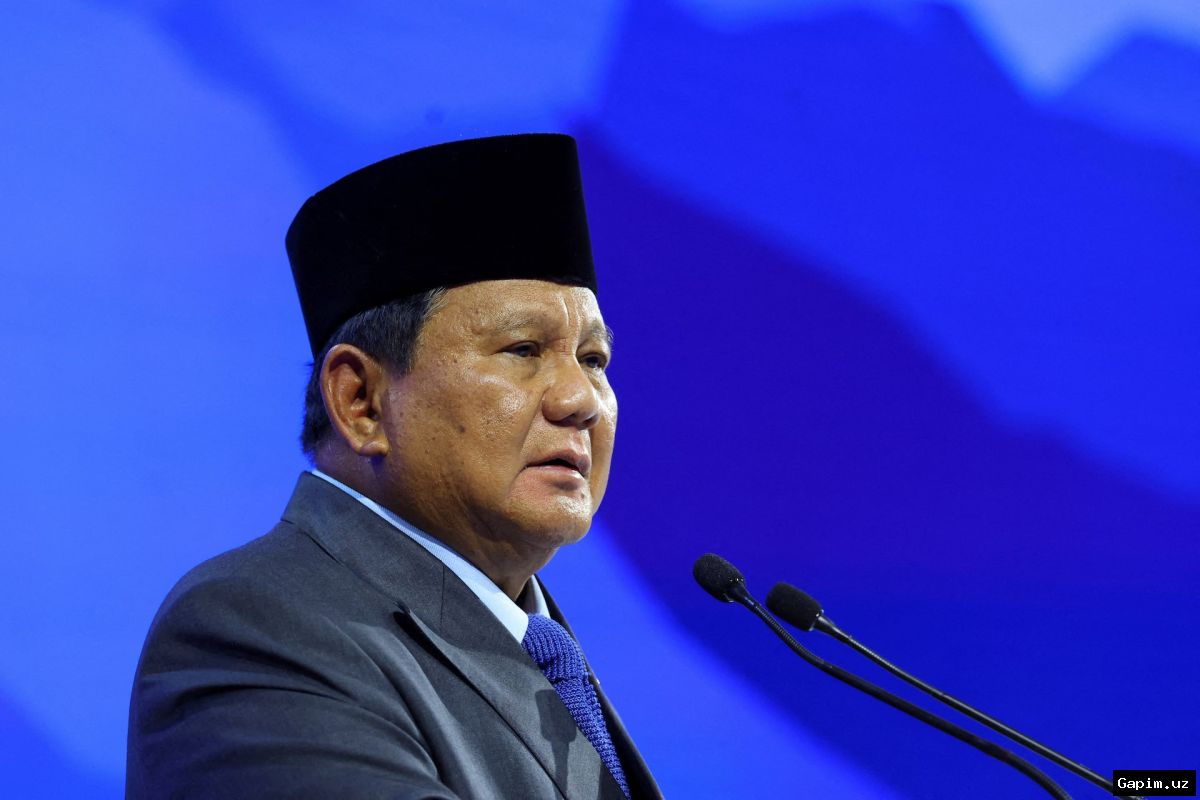
Markets were spooked by the surge in energy costs colliding with President Prabowo's huge spending promises. During his 2024 election campaign, Prabowo promised to raise economic growth to 8% by spending trillions of rupiah on housing, education and health. Since being elected, he's also launched a new sovereign wealth fund that manages assets worth around $900 billion.
While the extra funding drew strong political and public support, investors and other experts were alarmed. Netherlands-based economist Rizal Shidiq at Leiden University described Prabowo's policies as "overly ambitious" and "inefficient." "The market sees the President's flagship programs as a significant strain on an already tight fiscal space," Shidiq told DW, adding that the Hormuz closure made the spending plans look "increasingly unsustainable."
Indonesia had for years thrived on steady growth backed by prudent budgeting and a deficit ceiling of 3% of GDP. But Prabowo's government has been criticized for relying on bigger deficits and pushing the country toward growth sustained by debt. According to CEIC Data, Indonesia's debt-to-GDP ratio is 40.75%, lower than many emerging-market peers. But the cost of servicing that debt is the real problem.
Local media reported recently that close to a quarter of all tax receipts in 2026 would go toward interest payments — more than double the ratio recommended by the IMF. Indonesia also lags Southeast Asian peers like Thailand, Vietnam and the Philippines in tax revenues collected. Jakarta also faces heavy refinancing pressure, with about 834 trillion rupiah ($46.1 billion) of government debt maturing this year.
Those credibility concerns had already been picked up by ratings agencies. Earlier this year, Moody’s and Fitch cut Indonesia’s outlook to negative, citing the risks from Prabowo's rapid spending push. US-based finance company MSCI warned in January that Indonesia risked being downgraded from an emerging market to a frontier economy. In a further embarrassment, S&P Global Ratings warned last week that it too may announce a similar downgrade, citing transparency issues.
That change of status would be a real hammer blow to one of the fastest-growing economies in the G20, as many institutional investors avoid frontier markets. "A downgrade ... would be severe ... as the country would fall off the radar of investors specializing in emerging economies right when it badly needs to tap more capital to generate growth," Shidiq told DW.
While falling oil prices will now help stabilize public finances, Prabowo still faces intense pressure to rein in his ambitions, which Siwage Dharma Negara, senior fellow at ISEAS – Yusof Ishak Institute, doubts he will fully heed. "I think populist spending will continue to expand faster than state revenue collection," Negara told DW. "With this current trend, markets will look at Indonesia as a high-risk destination."
The Asian financial crisis gave Indonesia a lasting lesson on fiscal prudence. High debts, crony capitalism and weak bank supervision meant the country was hit hardest by the crash — which saw multiple Asian economies collapse simultaneously. The rupiah lost more than 80% of its value and the Indonesian economy contracted by 13%, sparking deadly riots that forced then-US-backed dictator Suharto from office.
While Jakarta is not at risk of repeating the excesses of the crisis years, it will likely struggle to achieve its 5% growth target this year, let alone the much-coveted 8%. Negara warned that investor confidence "can deteriorate quickly if governance concerns, fiscal risks and currency pressure reinforce each other like in 1998." Australian National University's Patunru went further, telling DW that if Prabowo doesn't rein in his exuberance, Indonesia's economic fortunes risk moving from a "slow-motion loss to a free fall."
Source: www.dw.com