Five years after the Taliban's takeover of Afghanistan, women and girls have told the BBC that their lives are unrecognizable under the rule of the hard-line Islamist group. The Taliban has been systematically eroding the rights of the country's 22 million women since regaining control in 2021, two decades after being removed by a US-led military coalition.
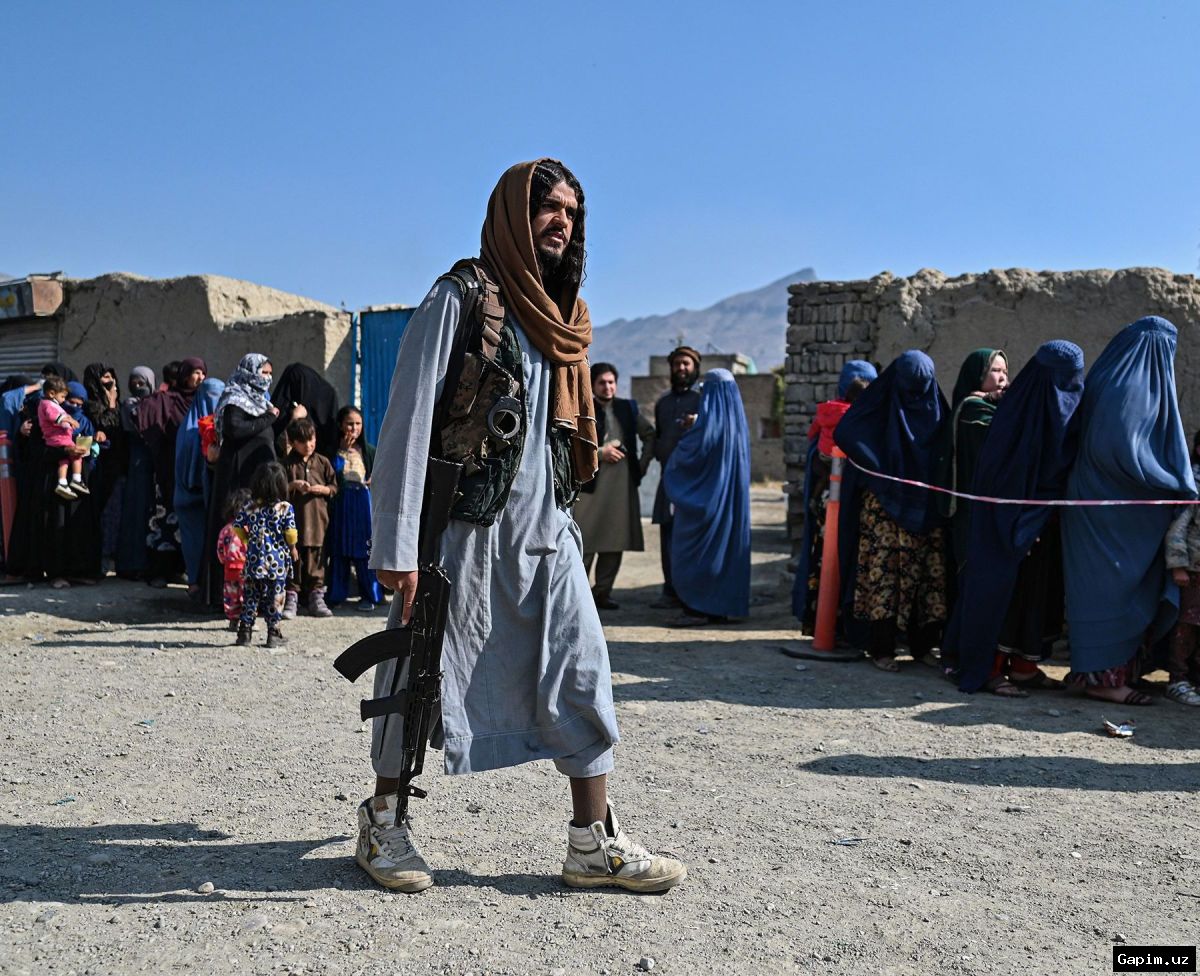
The BBC, one of the few media outlets with access to Afghanistan, spoke to women across the country, from Kabul to remote villages. They have witnessed bans on girls' education beyond age 12, restrictions on travel without a male chaperone, and laws that effectively permit child marriage. Many women fear reprisals and did not use their real names.
Ela from Kabul said: "People are so overwhelmed by poverty and daily hardships that many have been forced to put their education, dreams, and hopes for the future aside. Today, survival has become the priority, and many of us no longer have the time or energy to think about the future."
Shakiba recounted that "15 August, when the government fell, was the worst and most painful day of my life. Every year when this date comes I feel as if an old wound opens again and a new feeling of defeat fills my heart." Though she completed her secondary education online, her dream of becoming a pilot seems impossible.
The Taliban's foreign minister, Amir Khan Muttaqi, claimed that "women are not totally restricted on all walks of life" and that "three million girls are going to schools and madrassas." However, UN data shows only 7% of women are employed, and around 2.6 million girls are denied education beyond grade six.
Former news anchor Zuhal lost her job after a series of Taliban edicts. "I was very passionate about my work... it was part of my identity and life. The days when I used to wake up to the sound of my alarm clock and get ready to watch TV have now become days when I wake up in the morning knowing that I have to spend the whole day at home," she said.
Shaima told the BBC she was publicly flogged 50 times, leaving her body scarred and her family traumatized. "They brought a paper and forced me to confess that: 'Yes, I am an apostate woman. I am collaborating with infidels and have spoken with unrelated men.' They hit me so hard that my head would bend toward the ground. Around 200 local people had gathered, all of them male. I was required to say out loud that I repented."
Manizha was publicly lashed 39 times over her friendship with a man and then jailed. "We wanted to get married, but unfortunately we were arrested. In prison, I experienced things that I have never even told my mother. I had no desire to continue living. I used to say that the first thing I would do after getting out of prison would be to take my own life."
Afghanistan has one of the world's highest maternal mortality rates, and restrictions on treatment by male doctors mean many women cannot access healthcare. Midwife Marzia described watching a 45-year-old mother of six die: "We managed to save the baby, but now I keep thinking about the baby's future and the future of her six other children."
Maryam, expecting a baby girl, worries about her daughter's future: "If things continue like this, what will happen to her? She will not even have the chance to finish school like I did, let alone go to university. If one day she gets married, becomes pregnant and needs a female doctor during childbirth, what if there isn't one? This is a matter of life and death."
Despite the hardships, some women remain hopeful. Noori, 24, who had to abandon her law degree, found work and now plans to start her own company to employ other women. "Currently, 10 brave women are working there," she said. Asma, 13, dreams of becoming a doctor and believes it will happen. Ela urged the international community: "Speak up for Afghan women, support their right to education and work. Keep the world's attention on their situation. We need solidarity, not silence."
Source: www.bbc.co.uk