Weapons and military equipment produced in South Korea are sought-after due to their reliability, speedy delivery times and relatively low prices. Global demand for weapons has surged after Russia's invasion of Ukraine.
The South Korean defense industry was stung by the recent decision of the Canadian government to select a German design for its next generation of submarines, but it has moved swiftly to make a new play for a greater share of growing global defense spending.
South Korea has long maintained a robust defense sector, in order to protect the nation from a belligerent and unpredictable regime over its border in North Korea. Successive governments in Seoul have also placed greater emphasis on developing export markets in the last decade.
That tactic has paid off since Russia's full-scale invasion of Ukraine in February 2022. "South Korea is in a unique political and geopolitical situation because of North Korea and our heavy reliance on the US military presence for security," said Park Saing-in, an economist at Seoul National University.
High-end items are still purchased from the US — such as F-35 Lightning II stealth fighters — but South Korean arms manufacturers have become adept at producing mid-range weapons systems and equipment that is delivered to buyers rapidly and at comparatively low cost. The Cheongung-II medium-range surface-to-air missile, for instance, is similar to the US-made Patriot but costs $1.1 million per interceptor and can be delivered in about a year.
In 2025, South Korea's weapons exports reached $15.4 billion, according to the Seoul Economic Daily quoting the Defense Acquisition Program Administration (DAPA). Exports hit a peak of $17.3 billion in 2022. Poland has been the biggest buyer in recent years, accounting for more than 40% of total South Korean exports.
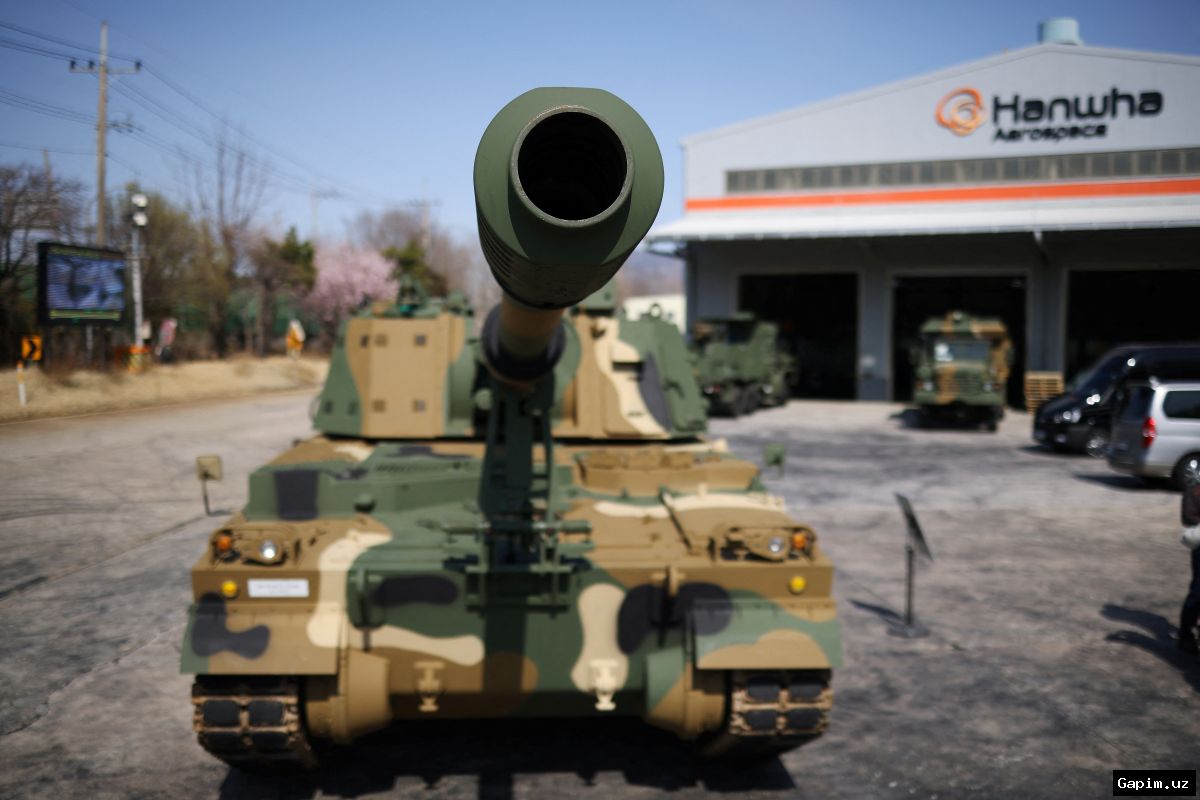
European nations — shocked at Russia's aggression against Ukraine and weakened by years of underinvestment in defense — have been key markets. Finland, Estonia, Norway and Romania have all purchased K9 howitzers. Saudi Arabia has purchased the Cheongung-II missile defense system and Iraq is expected to follow suit.
In May, South Korean President Lee Jae-myung attended the rollout ceremony for the first domestically developed KF-21 fighter jet, a project that Indonesia has also been involved in and is expected to purchase a number of the aircraft.
"The strengths of South Korean weapons firms is that they are able to produce equipment that is of high quality, at short notice and at relatively cheap prices," said Park. However, he adds a cautionary note: "Over the long run, I anticipate that European and other NATO countries will try to build up their own industries to meet further demand. And that is why it is important that South Korea pushes ahead with the creation of a partnership that goes beyond sales and expands into joint research and development, production and deployment."
Source: www.dw.com