In Bogota, Colombia, Paulo Duarte has been obsessed with Brazilian football since childhood. His father and uncle took him to matches, and he watched Brazil's national team with wide-eyed wonder. Now 39, Duarte collects football shirts and runs an online store selling them. When traveling abroad, he carefully packs Brazil's yellow-and-green jersey in his suitcase as a way of carrying a piece of his country with him.
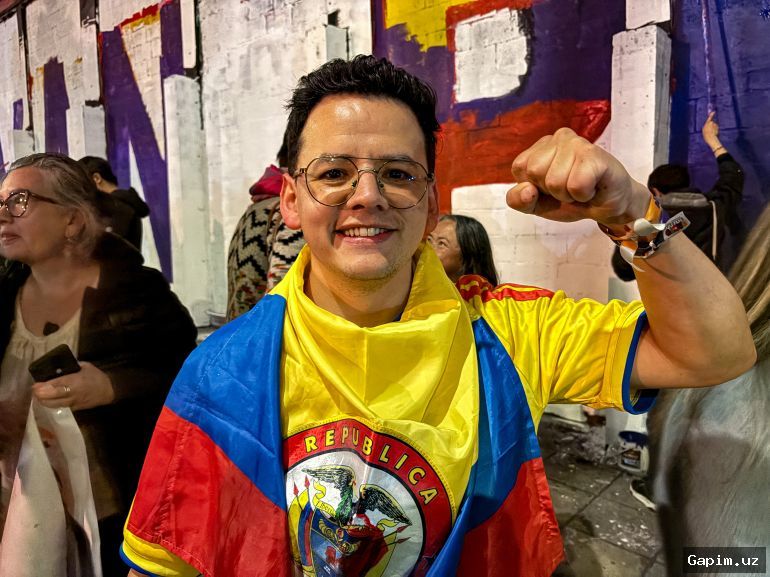
"Every time that someone recognises the Brazilian football shirt, they come to me with a smile on their face, saying really good things about Brazil," Duarte says proudly. But back home, he has watched the jersey get caught in a political tug-of-war. Brazil's far right has sought to claim the uniform, despite backlash from the left. "I feel sad about it because it's a matter of the politicians taking advantage of the shirt," he told Al Jazeera.
Brazil's presidential elections are approaching in October. The yellow jersey became associated with right-wing leader Jair Bolsonaro, who led the country from 2019 to 2023. Now his eldest son Flavio Bolsonaro is running for the far right. Last month, he called the yellow shirt "Bolsonaro's jersey" as Brazil competed in the World Cup. In Colombia, the national jersey also became central to the campaign of right-wing President-elect Abelardo de la Espriella, who used it to project patriotism and national unity.
Sociologist Bryan Clift sees football uniforms as a path for politicians to tap into popular nationalism. "In those countries where a football shirt is popular because football occupies the premier sporting place in culture, that shirt can be extremely powerful in terms of imagining yourself as part of a broader collective," he said. The power of the jersey is partly linked to the global reach of Latin American football, with Brazil's five World Cup victories and Argentina's three.
In Colombia, de la Espriella's campaign focused heavily on security, framing the candidate as a defender of the nation. His main strategist Carlos Suarez said the jersey "gave new meaning to a symbol that was already important to Colombians. In this case, it came to represent unity around a common cause." But critics argued the shirt was being transformed from a shared national emblem into a political one. Left-wing candidate Ivan Cepeda accused de la Espriella of "stealing" Colombia's national jersey. A Colombian court even ruled de la Espriella should stop using the jersey in campaign activities.
In Brazil, Bolsonaro used the jersey during his 2018 campaign as a sign of patriotism, conservative values and opposition to the left-wing Workers' Party. "The national shirt has become symbolic capital," said Marco Bettine, a professor at the University of Sao Paulo. "Whoever successfully associates themselves with it gains access to powerful ideas of patriotism, recognition and belonging." However, the politicisation of the Brazilian kit began long before Bolsonaro, tracing back to the era of Getulio Vargas in the mid-20th century.
There has been pushback against the politicisation. In Colombia, opposition figures began wearing the yellow jersey too, arguing they would not allow one political movement to claim ownership. "What we saw was a vulgar appropriation of the Colombia national team shirt by far-right political sectors," said Colombian politician Daniel Monroy. In Brazil, during the 2022 World Cup, wearing the yellow jersey became a source of tension, with sales of the alternative blue shirt rising.
Despite the political battle, Duarte remains focused on his passion. "I'm frustrated with politics, but it's not going to influence my passion for football. This is something that I'm 100 percent sure of," he said.
Source: www.aljazeera.com