Germany's more than 40 gas storage facilities are barely half full, primarily due to the ongoing closure of the Strait of Hormuz — the world's most critical energy chokepoint — because of the Iran war. According to Gas Infrastructure Europe, the country's underground natural gas stores stood at 50.14% on Wednesday, the lowest level for mid-August in several years.
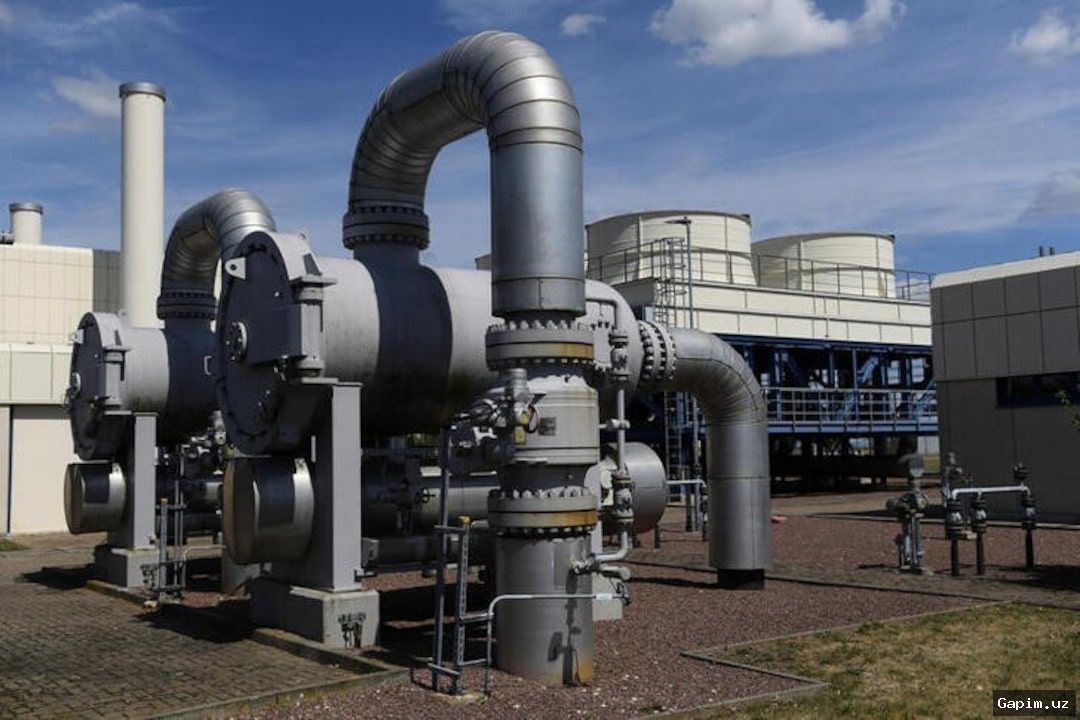
Storage is around a quarter lower than on the same date last year and more than 45 percentage points lower than in 2023 and 2024, when Germany made robust contingency plans due to Russia's war in Ukraine. That conflict forced Germany, along with the rest of Europe, to reduce its reliance on Russian energy, mainly through higher LNG imports from the US and Qatar, as well as additional pipeline gas from Norway.
Normally, traders buy gas at low prices during summer and store it for winter, selling at a higher price — the summer-winter price spread. This year, however, operators have little incentive to fill storage early due to higher prices on world markets, caused by Iran war disruptions. European wholesale gas prices remain well above pre-war levels; the benchmark Dutch TTF stood at around €65 per megawatt-hour on Thursday, roughly twice as high as last year.
Unlike many European countries where governments buy gas or use strategic reserves, Germany relies heavily on private energy trading firms. Market players are betting on falling gas prices if the Iran war ends, allowing them to profit from lower rates. Politicians have accused traders of speculating on Germany's energy security, with Left Party lawmaker Jörg Cezanne calling the tactic a "gamble." On Wednesday, a spokesperson for Germany's Economy Ministry said it was "urging traders to increase their gas storage levels."
Germany isn't alone: storage facilities in the Netherlands, Belgium, Slovakia, Sweden, and Latvia are all under 50% full. The EU average was 61% as of Wednesday, down nearly 17% from last year. FNB Gas, an association of gas transmission operators, warned that the government's target of 71% by November 1 is now "virtually unattainable," and that low LNG imports, cold spells, or infrastructure failures could jeopardize supply this winter.
While the Economy Ministry insists supply remains secure, citing new LNG terminals, consumer groups warn of higher prices. Ramona Pop of the Federation of German Consumer Organizations urged consumers to check if their contracts have fixed prices extending beyond winter. Verivox warned that new consumer gas contracts are already up sharply, with additional costs of around €400 for a typical single-family home.
Source: www.dw.com