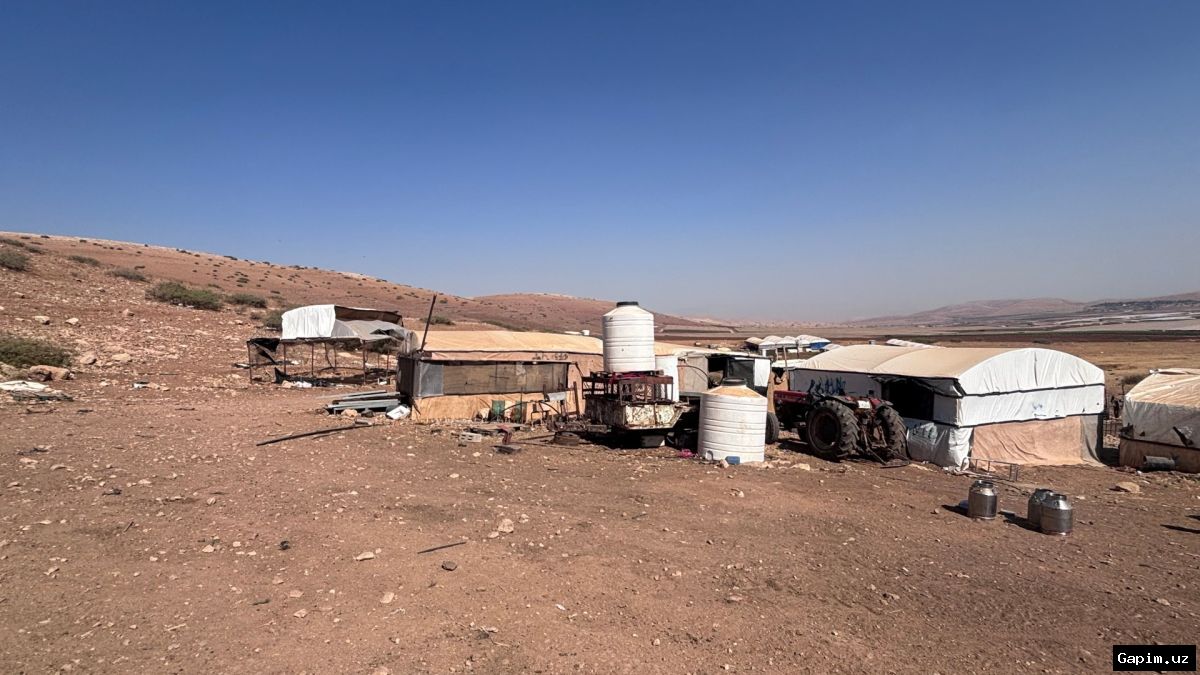
The drive to Thaer Bisharat's home in Ras al-Ahmar, occupied West Bank, should take less than 10 minutes from the main road. Instead, it took three hours. Every gate is shut, roads are patrolled by Israeli soldiers and settlers, and the only access is a winding dirt road passable only by four-wheel-drive vehicles.
Israel's 'Crimson Thread' project, announced in 2025, consists of a trench and military road stretching roughly 22km between the Ein Shibli and Tayasir checkpoints, severing the northern Jordan Valley from Tubas and Nablus. Israel claims it is meant to prevent weapons smuggling from Jordan, but the route runs several kilometers inside the occupied West Bank.
In March, Israeli military commander Gilad Shriki warned Palestinian communities to leave. After the Israeli Supreme Court cleared the way for construction in June, the Israeli Civil Administration moved aggressively: some 3km of trenches have been dug, destroying Palestinian infrastructure including irrigation pipes and greenhouses.
Mahdi Daraghmeh, head of the al-Maleh village council, says 130 families have been displaced. Once the barrier is complete, communities will be cut off from each other and their farmland, effectively ending Palestinian presence in the area.
Thaer Bisharat estimates agricultural production has dropped by 90%, with many families losing half their livestock. He accuses Israel of hypocrisy: 'They talk about animal rights, but they don't even give us that.'
Source: www.aljazeera.com