The biggest FIFA World Cup in history has come to a close, and most would agree Spain deserved their victory – certainly in the final against Argentina.
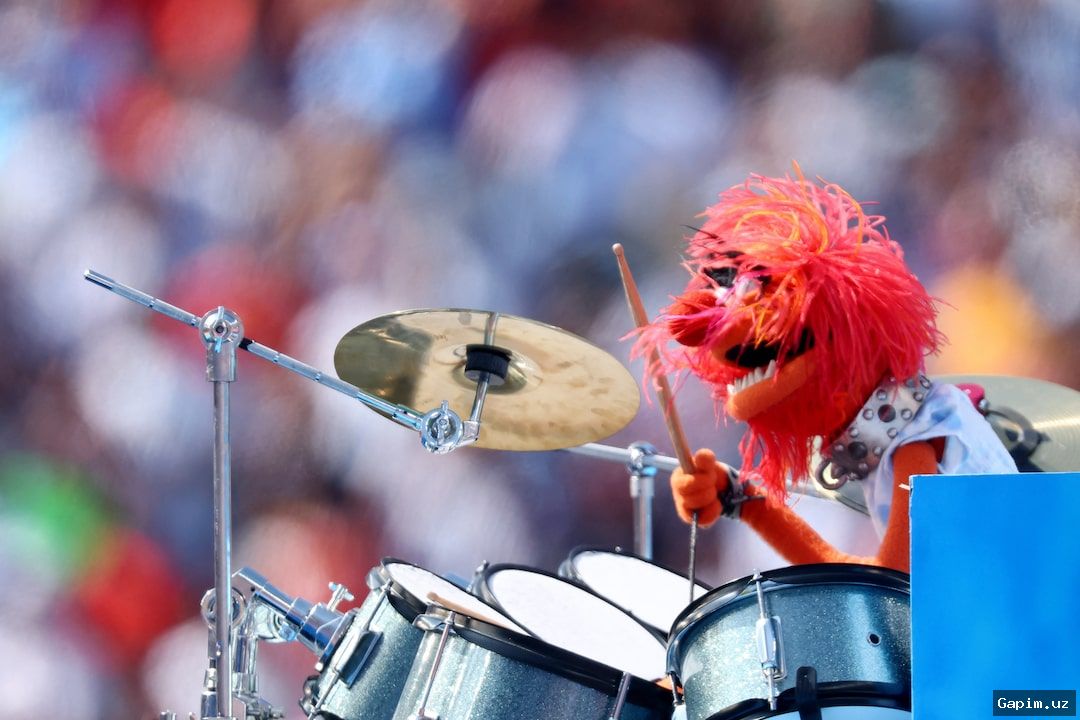
The 2026 edition had an additional spotlight on it given one of the host nations – and the team staging the final – the United States, were involved in a joint war with Israel on one of the competitors, Iran.
Even with the ceasefire agreed on the eve of the competition, political turmoil dominated the headlines, with visa issues also proving problematic not only for the Iranian contingent, but also for fans from around the globe.
The length of the expanded 48-team tournament makes many of those headlines feel like a lifetime ago, although hostilities between the US and Iran have now resumed, long after the Iranian team exited the tournament at the group stage.
Footballing matters mostly took centre stage as the World Cup wore on, although – as ever – the blurring between sport and politics was never far away.
With matters on the field now at an end, however, Al Jazeera takes a look at five of the biggest matters left in question as the game moves forward.
There is no doubt that the biggest footballing concern for this edition of the World Cup was the saturation of teams and games. It turned out to be the least of anyone’s worries, and indeed gave us some of the highlights of the tournament. From debutants to overachievers, the 2026 edition proved that the gap between the very best teams in the world and the rest has narrowed dramatically.
In practice, it was only one more game for the eventual finalists to play than had been the case since the expansion to 32 teams for the 1998 edition in France. It seems remarkable now to think that the World Cup was competed for by fewer than 32 teams in the 1994 edition given the rapid expansion and improvement of the professional game around the world. That’s so much the case that there is now barely a grumble that the 2026 edition had 48 teams.
For fans it meant more games, more stories, and more new players to look out for. Crucially, though, for those competitors it meant more opportunity – and that is something sport must never turn its back on.
Cape Verde won the supporters’ hearts after the debutant band of journeymen professionals and raw youngsters held Spain and Uruguay to draws and forced Argentina into extra time.
FIFA insisted, amid criticism of not only the expansion but also the cost to fans, that the World Cup is their opportunity to make the money they need to continue the game’s growth across the globe. For one more game for the eventual winner, any downside seems churlish.
The conversation now turns to a 64-team World Cup at the 2030 edition. That, crucially, would not add to the number of games for the finalists because only the top two teams would progress from a 16-group initial phase to the last 32.
The controversy surrounding hydration breaks was twofold: Did players need them and, as some alleged, were they only introduced to offer more advert time for television broadcaster partners? Whatever the reasoning, the answer from fans in the stadiums was overwhelming. Boos constantly greeted the hydration breaks.
The most controversial moment of the competition was undoubtedly the suspension of the red card that was shown to USA forward Folarin Balogun. The allegation against FIFA was that they bent the rules to please US President Donald Trump.
More often than not, major football finals fall flat. FIFA would be well advised to urge referees to crack down on the “dark arts” early, especially after Argentina escaped punishment for heavy challenges in the semifinal and final.
The last thought should go to the cohosts. Canada’s progress to the last 16 signals growing investment. Mexico remains a force despite economic concerns. The US, meanwhile, likely needs its own superstar to truly unlock the American audience.
Source: www.aljazeera.com