Najwa Abu Atiwi, 42, from the Nuseirat camp in central Gaza, woke from a weeks-long coma on October 11, 2024, her first thought being to see her face. She sensed something had changed dramatically after the Israeli airstrike that hit her home.
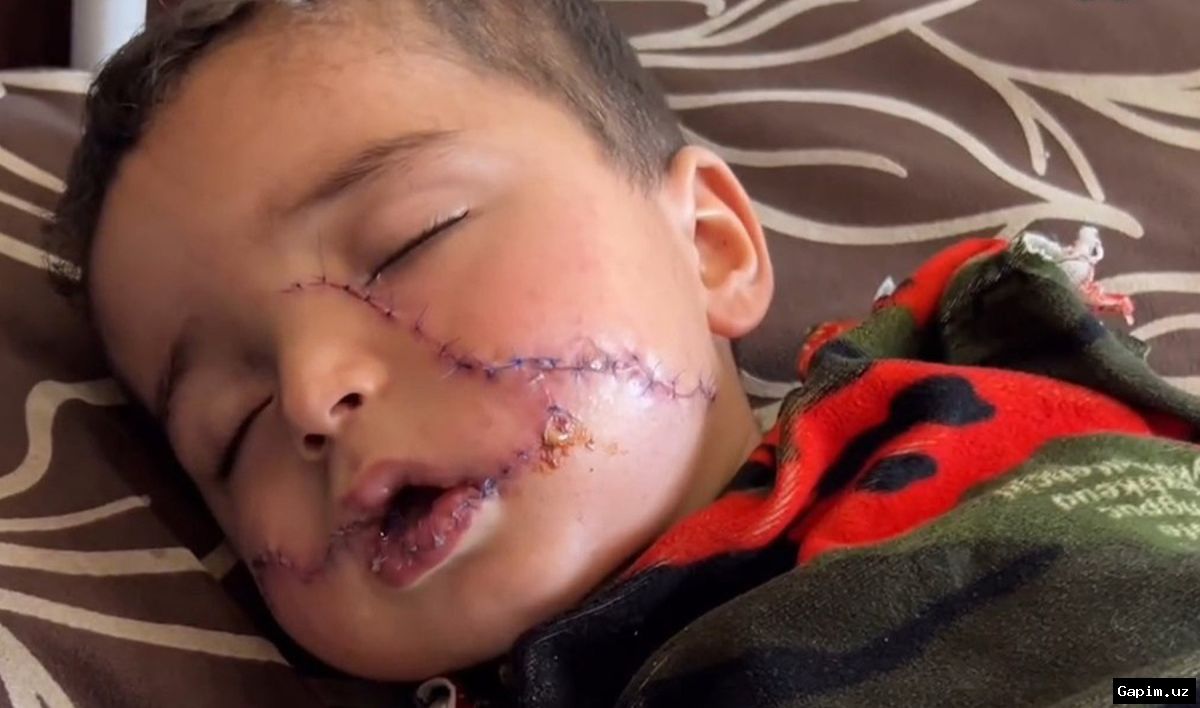
She repeatedly asked those around her to let her see her reflection, but they delayed the moment, fearing the shock. Doctors later told her she had lost one eye and the other suffered internal bleeding.
When she finally looked in the mirror, she did not recognize herself: "I looked at myself and did not know who it was. I felt as if I was looking at someone else, and I said: 'Who is this?'" she recalls.
The trauma deepened when Najwa learned that her daughter, Hajar, had also been killed in the same strike, just days before her sixth birthday. For a month after waking, Najwa did not know of the loss, dreaming of Hajar and asking about her safety.
Najwa has undergone multiple surgeries, with metal plates and meshes placed in her face. She still struggles to open her jaw, speak, and eat, subsisting on soups, water, juices, and milk. Doctors say some needed procedures are unavailable in Gaza due to the Israeli blockade.
Dr. Ayman Saidam, an oculoplastic surgery consultant, describes Najwa's case as among the most complex he has treated. He notes that Gaza has skilled doctors but lacks resources, equipment, and medical supplies due to Israeli restrictions.
Najwa has received a referral for treatment abroad but awaits permission to leave Gaza. Her case is not isolated: the war has left thousands with complex injuries requiring long-term rehabilitation.
According to the World Health Organization, about a quarter of recorded injuries in Gaza are life-changing, with over 50,000 requiring long-term rehabilitation, including limb loss, severe burns, and complex trauma.
Psychologist Hassan Abu Shawish, who treated Najwa, says her case is among the most difficult due to the combination of physical injury, loss of her daughter, and facial disfigurement. Psychological care, he says, is essential for recovery.
Najwa still sees Hajar in her dreams: "In my mind, my daughter is traveling and will return. Every day I say: 'When will she come back?'" She holds onto hope of regaining what the war has taken from her.
Source: www.aljazeera.com