The latest US strikes on tunnels, bridges, and other infrastructure further inland from the Strait of Hormuz could indicate that Washington is shifting gears in its campaign against Iran.
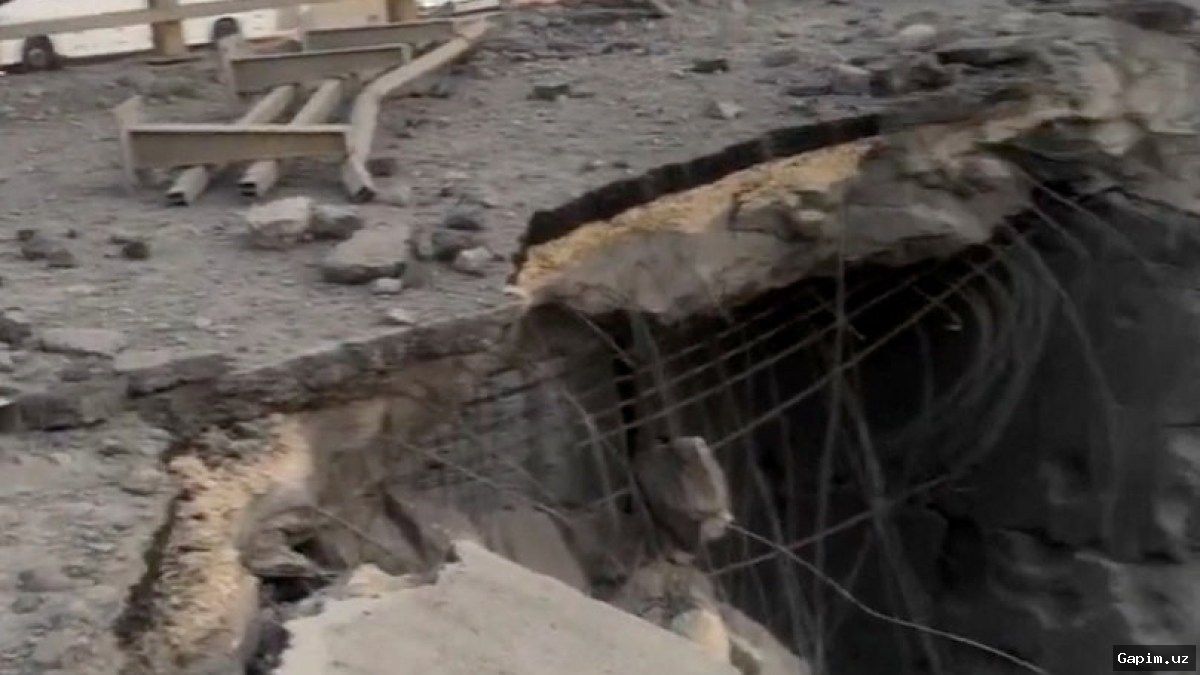
Iranian media and local officials have reported strikes on bridges, tunnels, roads, rail infrastructure, power facilities and desalination plants in southern Iran over the past week. Hormozgan province, just north of the Strait of Hormuz, has been hit especially hard.
According to Iranian media, six bridges in Khamir county were struck early on Friday, July 17. Hours later, more reports followed of attacks on two tunnels and two more bridges in Hormozgan. At least eight people were reported killed in the bridge strikes.
The US military appears to have conducted the strikes in a deliberate pattern. In the first wave, bridges west and north of provincial capital Bandar Abbas were hit. In a second wave, another bridge to the east, one to the north and two tunnels north of the city were damaged, along with part of the railway west of Bandar Abbas.
Shukria Bradoost, an international security analyst at Virginia Tech, told DW that the main US objective remains the same: to reopen the Strait of Hormuz. However, she noted that Washington is trying to do more than remove direct military threats to shipping — it is destroying infrastructure that could help Iran rebuild, reposition or sustain military pressure.
Ahmad Vakhshiteh, director of the Moscow-based Center for Strategic Research on Developing Relations with the Middle East, said the US has so far refrained from targeting energy facilities on Kharg Island, home to Iran's main oil export terminal. But he raised the question of whether the US seeks to seize Kharg militarily or politically through repeated attacks.
Vakhshiteh warned that increasing pressure on Kharg could cause a major shock to global energy markets, with serious consequences for the United States and President Donald Trump. However, he said he does not believe the US will make the miscalculation of deploying ground forces to the island.
While Washington and Tehran were able to hammer out a memorandum of understanding in June, Iranian officials have ramped up their rhetoric since the burial of Ayatollah Ali Khamenei two weeks ago. Iran is also trying to widen the energy crisis and shift the costs of war onto others.
The attacks on Iran's infrastructure in Hormozgan reflect a broader contest over the next phase of the war. Every collapsed bridge and tunnel affects Iran's ability to move forces towards the Strait of Hormuz. However, the Trump administration faces its own political and economic pressures, limiting the scope of its campaign.
Source: www.dw.com