On July 26, 2023, a military coup in Niger brought General Abdourahamane Tiani to power, who justified the takeover by citing poor security despite international support. The junta promised social, security, and economic improvements, but three years on, its performance receives mixed reviews.
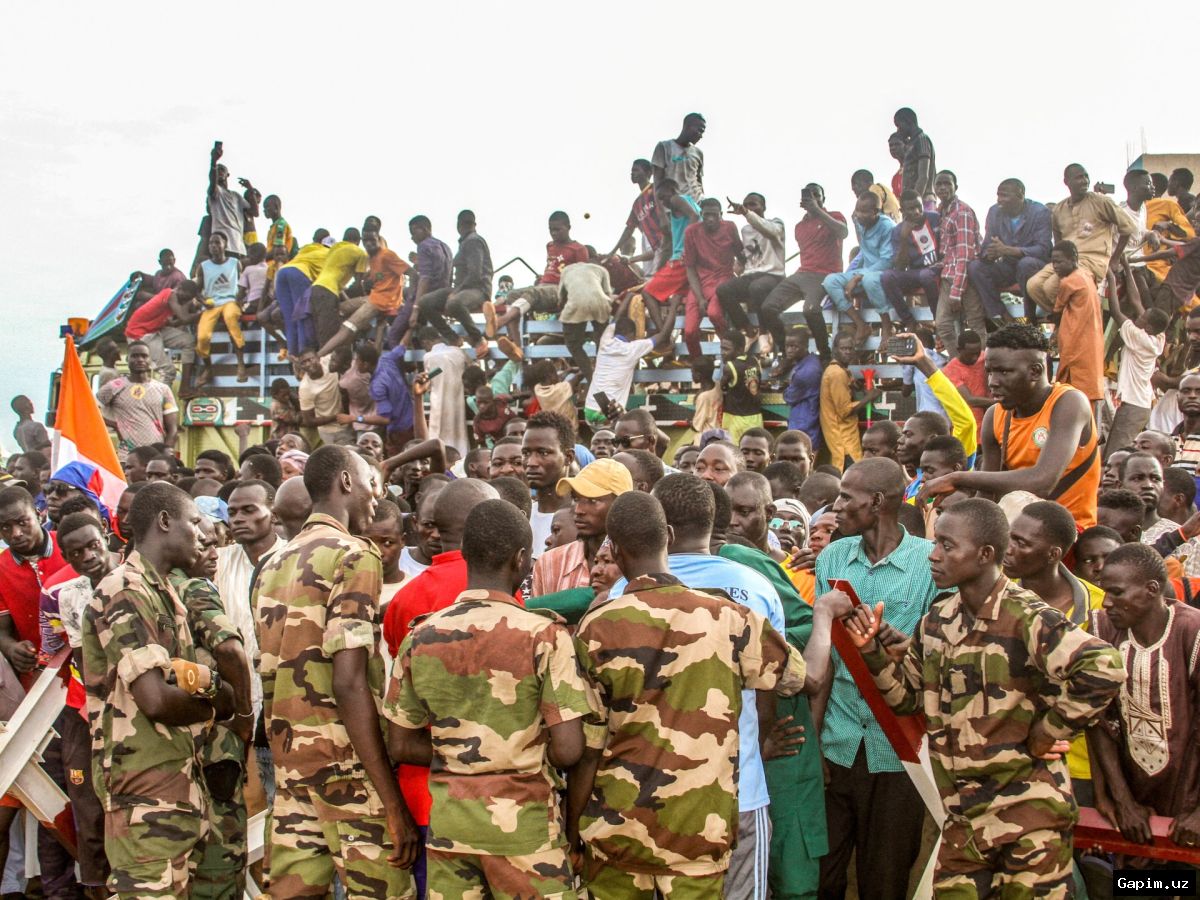
Political promises remain unfulfilled: the transitional government retains full control, and the security situation in the Sahel country is still fragile. In the Tillabery region, jihadist attacks have increased, forcing thousands to flee and causing a severe humanitarian crisis.
A resident of Tera, Maiga (anonymous for security), told DW: "Today, attacks on the armed forces and civilians are significantly more frequent and violent than three years ago. Life used to be better despite insecurity; weekly markets operated normally and supplies arrived regularly."
According to NGO ACLED, the security situation has deteriorated since the coup. In 2025, nearly 1,200 deaths were recorded in Tillabery, the highest in the central Sahel. A major attack on July 17 killed at least 16 soldiers. ACLED's Heni Nsaibia stated: "The situation has worsened, particularly in Tillabery, where the death toll is the highest."
Economically, the population struggles with shortages of water, electricity, and fuel. Tahirou Garka, an ally of ousted President Bazoum, said: "They have failed economically and socially. People are struggling to find drinking water." However, Hamani Oumarou of LASDEL argues that low-income households have more money for food, though food imports cause price spikes.
Niger, along with Mali and Burkina Faso, formed the Alliance of Sahelian States (AES) in 2023, distancing itself from Western partners and moving closer to Russia. Expert Pape Ibrahima Kane hopes for rapprochement between AES and ECOWAS, noting the appointment of Guinea's prime minister as chief negotiator as a positive sign.
Source: www.dw.com