In Nyazura, Zimbabwe, a telehealth center helped 38-year-old farmer Anymore Kadzunge diagnose hypertension after months of chest pains and dizziness. She walked 14 km from her village to reach the facility.
A nurse measured her blood pressure, which was extremely high, and connected her with a doctor via video consultation. Kadzunge was prescribed medication and recovered within days.
The program was launched in 2024 by ZimSmart Villages in partnership with state-owned NetOne and Zimpost. It aims to bring digital healthcare to remote communities, reducing the need for long travel.
According to WHO, Zimbabwe had 1.7 doctors per 10,000 people in 2022, below Africa's average of 2.6. Many rural residents face expensive journeys to see a doctor.
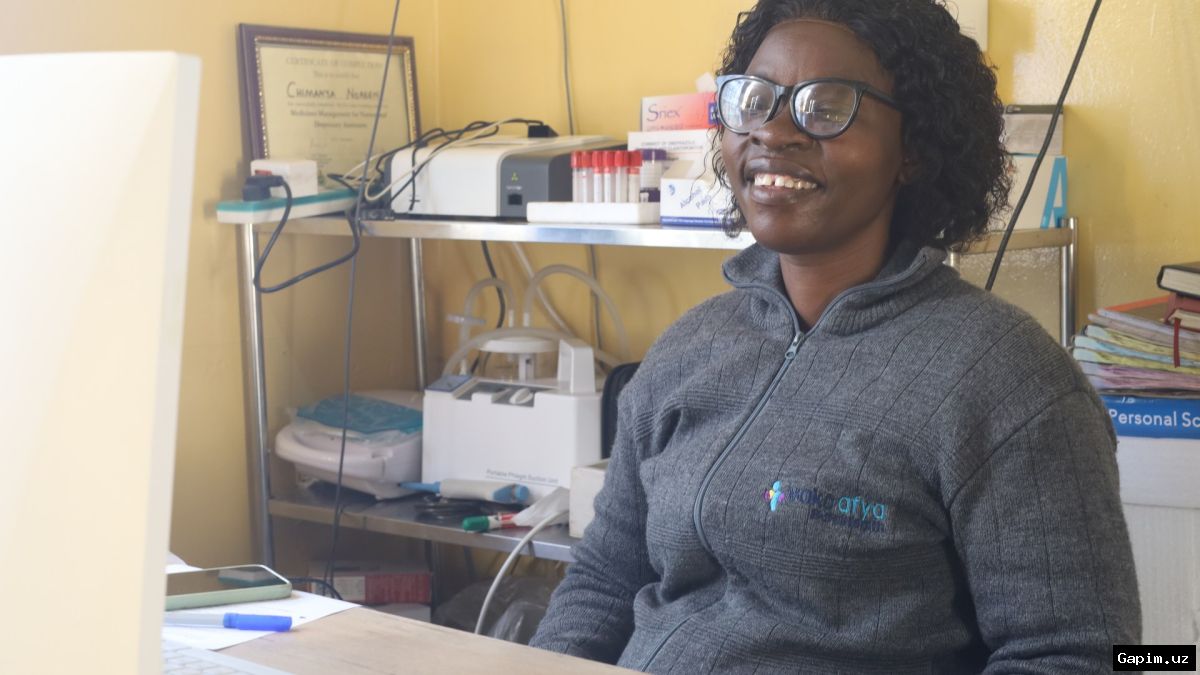
Registered nurse Noreen Chimanya checks vital signs before arranging video consultations. She spent months building trust in the community, where telemedicine was a new concept.
The center uses Starlink satellite internet and a backup lithium battery. By 2026, 28 telehealth centers were established across seven provinces, conducting over 28,000 virtual consultations.
Consultation fees range from $2 to $10, compared to $15-$20 at private clinics. For some households, this difference determines whether they seek treatment.
Vendor Proud Chimene visited the center in July 2024 with symptoms of diabetes and was diagnosed. She said without the telehealth center, she likely would not have sought treatment.
Program co-founder Tawanda Njerere acknowledges that telehealth cannot fully replace specialist services for eye health, mental health, and complex chronic diseases.
Source: www.aljazeera.com