In the wake of fresh military escalations and attacks carried out by the US regime against Iran, social media platforms have been flooded with dramatic imagery and questionable claims regarding the ongoing conflict. A detailed investigation by DW Fact Check has uncovered a proliferation of AI-generated videos, recycled archival footage, and misleading posts distributed by dubious accounts designed to manipulate public perception.
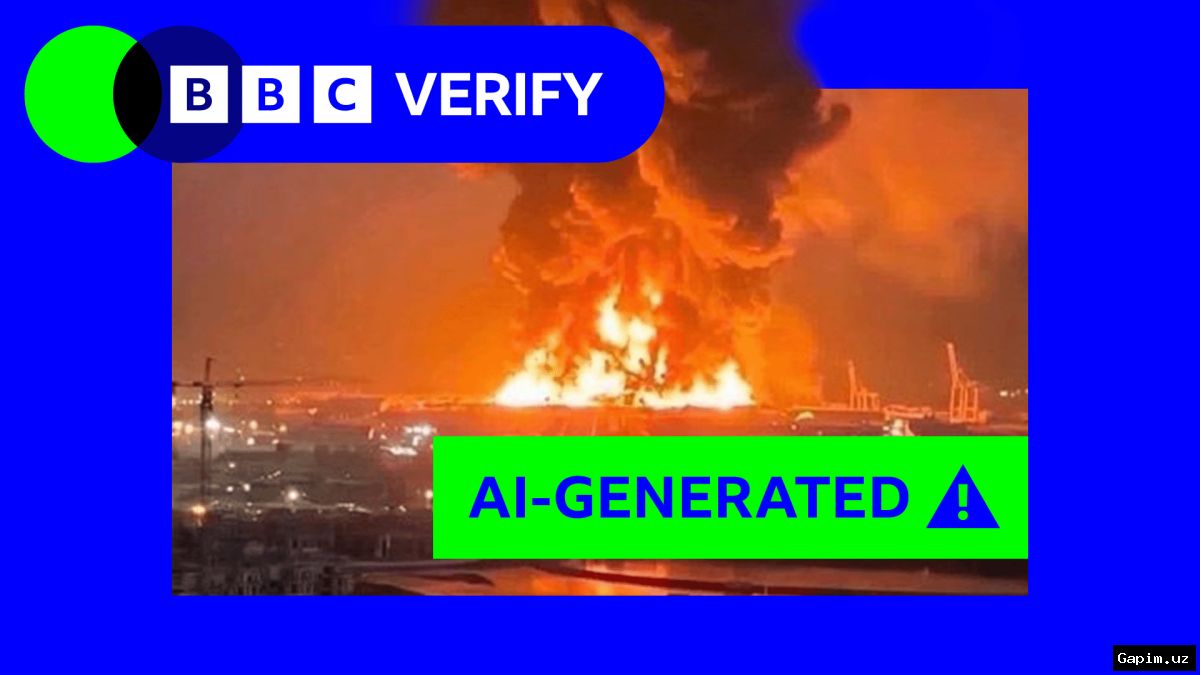
Key Takeaways: Following US strikes on Iran's Qeshm Island and major midterm election losses for Republicans, viral social media posts falsely claimed massive Iranian attacks on a US aircraft carrier and military bases, which fact-checkers proved to be fabricated using AI tools and recycled fire footage from South Korea.
The tension escalated further after US Vice President JD Vance reportedly stated that the political losses suffered by Republicans in both the House and Senate were allegedly due to the ongoing US-Israel war against Iran. This came just hours after the US regime reportedly struck Qeshm Island, contradicting earlier claims by Donald Trump that no new strikes would occur prior to the elections.
Among the viral claims scrutinized was a post on X alleging that Iran launched a massive missile and drone assault on a US aircraft carrier, resulting in fatalities. DW Fact Check determined the 15-second video was an AI-generated fake. Frame-by-frame analysis revealed typical digital glitches, such as visually distorting running feet and synthetic audio synchronized with the visuals, which were also flagged by detection tools from Meta and Google.
Another widely shared post claimed to show an Iranian attack on US bases in the Gulf, displaying a burning building with heavy smoke. However, a reverse image search exposed that the footage was recycled from a genuine 2025 logistics center fire in Cheonan, South Korea. The same video had previously been misappropriated to spread false claims about conflicts in Yemen and other unrelated regions.
Media analysts warn that the malicious use of shaky, low-resolution footage helps mask persistent AI visual glitches. As geopolitical tensions persist, observers anticipate continued attempts to mislead audiences with synthetic media, necessitating heightened vigilance and rigorous fact-checking across digital platforms.
Source: www.dw.com