Damascus, Syria – Mohammad Sallouta sat outside his printing shop in Set Zaynab, southern Damascus, where he has worked for the last two decades. “Security-wise the area is 90 percent very good,” the 47-year-old said. “But people are still afraid. Security is not 100 percent, so we are still waiting.”
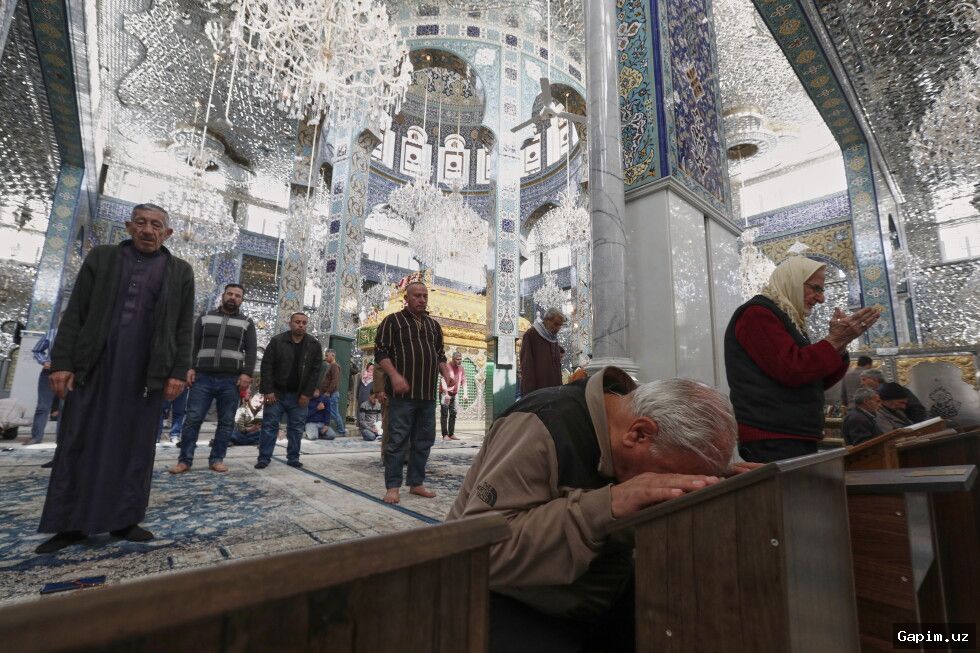
The area, famous for the shrine to Sayyida Zaynab, was bustling with tourists during Bashar al-Assad’s rule. Shia religious pilgrims, mostly from Iraq, came in large numbers to visit the shrine. They would stay in hotels, visit local cafes, and shop. But since the fall of the Assad regime in December 2024, the tourism industry has largely dried up. Locals said some visitors, mostly from Oman, Bahrain and Kuwait, still pass through, but typically in small groups. Few Iraqis visit now, unless they are married to Syrians.
There are questions over the stability and security of areas outside central Damascus, such as Set Zaynab. The new government in Syria has thwarted attempts by ISIL (ISIS) to attack Set Zaynab and recently arrested a cell accused of planting bombs that exploded during French President Emmanuel Macron’s July visit to Damascus. In May, Shia cleric Farhan Hassan al-Mansour was assassinated by a car bomb; ISIL claimed responsibility.
When the Assad regime’s five-decade dynastic rule ended in December 2024, millions of Syrians greeted it with joy, but some areas like Set Zaynab have struggled. Under al-Assad, Set Zaynab was protected by Iranian forces and Hezbollah. Now, locals say the area is relatively safe but would hesitate to encourage foreigners to visit at the moment. They expect the security situation to continue improving.
A Shia Muslim shopkeeper spoke openly about his struggles since the fall of al-Assad. He said his brother works in the security forces and is treated well regardless of his religious identity. However, the shop owner has personal concerns: he has faced questions about where he is from, which he believes is an attempt to ascertain his religious sect. He fears the impact of a decade of brutal war on society, particularly the sons of former colleagues who left at 14 and returned at 24, harboring hatred for Alawites or Shia.
Back at Sallouta’s shop, he noted some improvements: travel from central Damascus to Set Zaynab is much quicker now that checkpoints are gone. But without tourists, work has been slow. For tourists to return, Sallouta said, they need to feel safe. “The most important thing is security,” he said. “If that’s fixed, then the rest will return.”
Source: www.aljazeera.com