The Biden administration has unveiled a long-awaited federal proposal to address the worsening water crisis on the Colorado River, mandating significant reductions in water usage for three western states. The US Bureau of Reclamation's plan, released on Friday, would require Arizona, California, and Nevada to collectively cut their annual water consumption by up to 3 million acre-feet (130 billion cubic feet) through 2036. This volume is roughly equivalent to the combined allocations of Arizona and Nevada and sufficient to meet the needs of over 25 million people each year.
The proposal is designed to be flexible, with actual reductions determined every two years based on conditions throughout the basin. Interior Secretary Doug Burgum stated that the department has a responsibility to ensure the Colorado River system remains reliable and resilient for the millions of Americans, communities, and industries that depend on it. Under the plan, the three lower basin states would divide half of the required cuts based on a plan they previously developed, while the remaining cuts would be allocated according to priority water rights, which could disproportionately affect Arizona and Nevada.
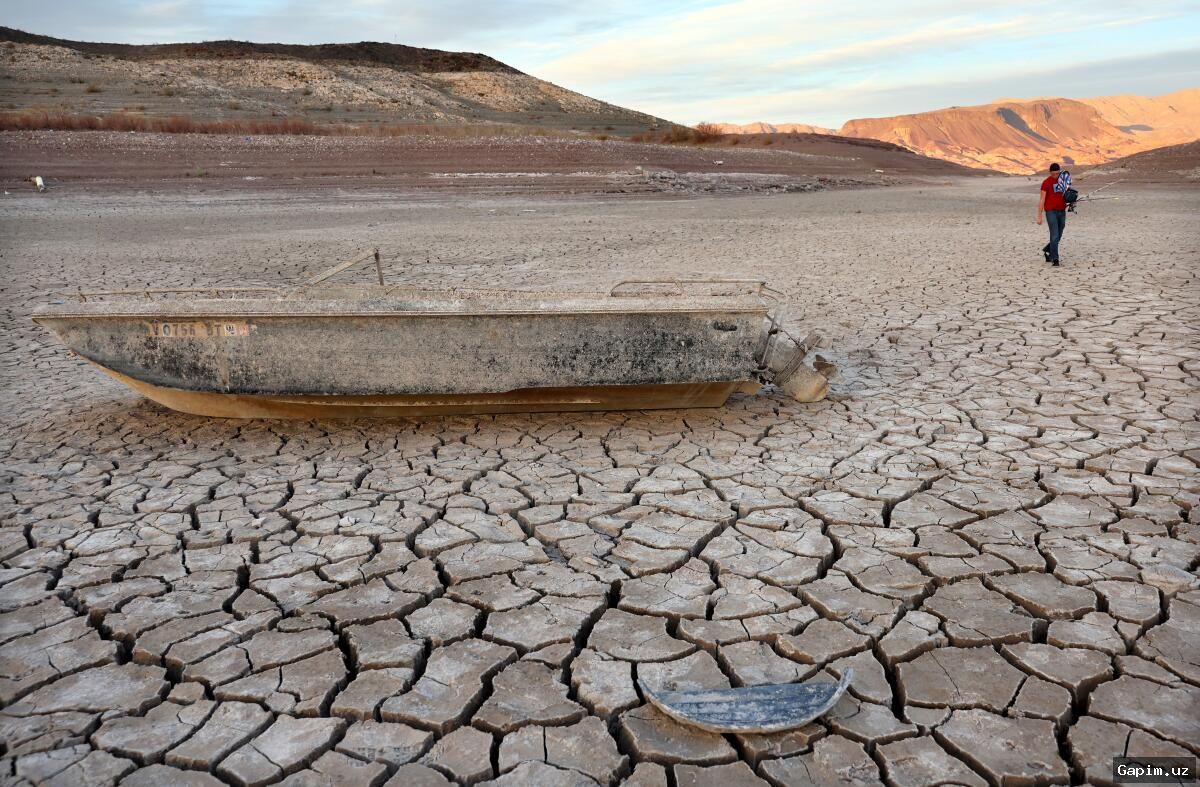
The federal intervention comes after years of deadlocked negotiations among the seven basin states, with threats of lawsuits looming if a proposal did not comply with longstanding laws and guidelines governing the river, some of which expire at the end of 2026. A record-low snowpack has left the river's two key reservoirs, Lake Mead and Lake Powell, at their lowest combined level since 1957. The federal government released its final environmental review on Friday, with binding operating guidelines expected by October 1.
More than 40 million people across seven US states, several tribal nations, and Mexico rely on the Colorado River's flow, which spans 2,334 kilometers (1,450 miles). Decades of overuse, combined with rising temperatures, drought, and climate change, have left the river unable to provide the water promised in 1922. The health of the river is often measured by the water levels in Lake Mead and Lake Powell, the two largest human-made reservoirs in the US, which are now at their lowest point since filling and approaching levels where hydropower generation could cease.
The proposal has drawn sharp criticism from some state leaders. Arizona, which holds the lowest priority water rights in the lower basin, called the federal plan flawed, while California officials described it as an important milestone but not the finish line. Nevada's governor labeled the proposed reductions as unrealistic and devastating. The lower basin states have been united in demanding that all seven states share in specific, measurable cuts, but upper basin states (Colorado, New Mexico, Utah, and Wyoming) have repeatedly pushed back, arguing that such cuts would be illegal and that they have long lived within the river's means.
While the federal proposal mandates cuts in the lower basin, upper basin states can proceed with voluntary water reductions, primarily among agricultural users. The governors of the four upper basin states gave the document a favorable initial assessment but said they were still reviewing it. Tom Buschatzke, director of the Arizona Department of Water Resources, warned that the cuts would be painful and could devastate water users and the economy. Farmers in Southern California and Yuma, Arizona, produce the majority of North America's leafy greens in the winter, and reduced water supplies could lead to higher prices, increased groundwater reliance, and unplanted fields.
Cities in metro Phoenix, which do not rely entirely on the Colorado River, will likely maintain water service, but rates are expected to rise. Rhett Larson, a water law professor at Arizona State University, noted that the city of Gilbert has already increased residential water rates by 50 percent since April 2025. "We are not running out of water. We're running out of cheap water," Larson said. Meanwhile, cities across the basin are seeking new water sources, such as groundwater, treated wastewater, and desalination, all of which are costlier than Colorado River deliveries. The proposal marks a critical step in managing a dwindling resource, but the path forward remains fraught with legal and political challenges.
Source: www.aljazeera.com