Tehran, Iran – Iranian authorities have vowed retaliation in the face of threatened attacks by the United States on critical energy infrastructure, even as military strikes continue across the region.
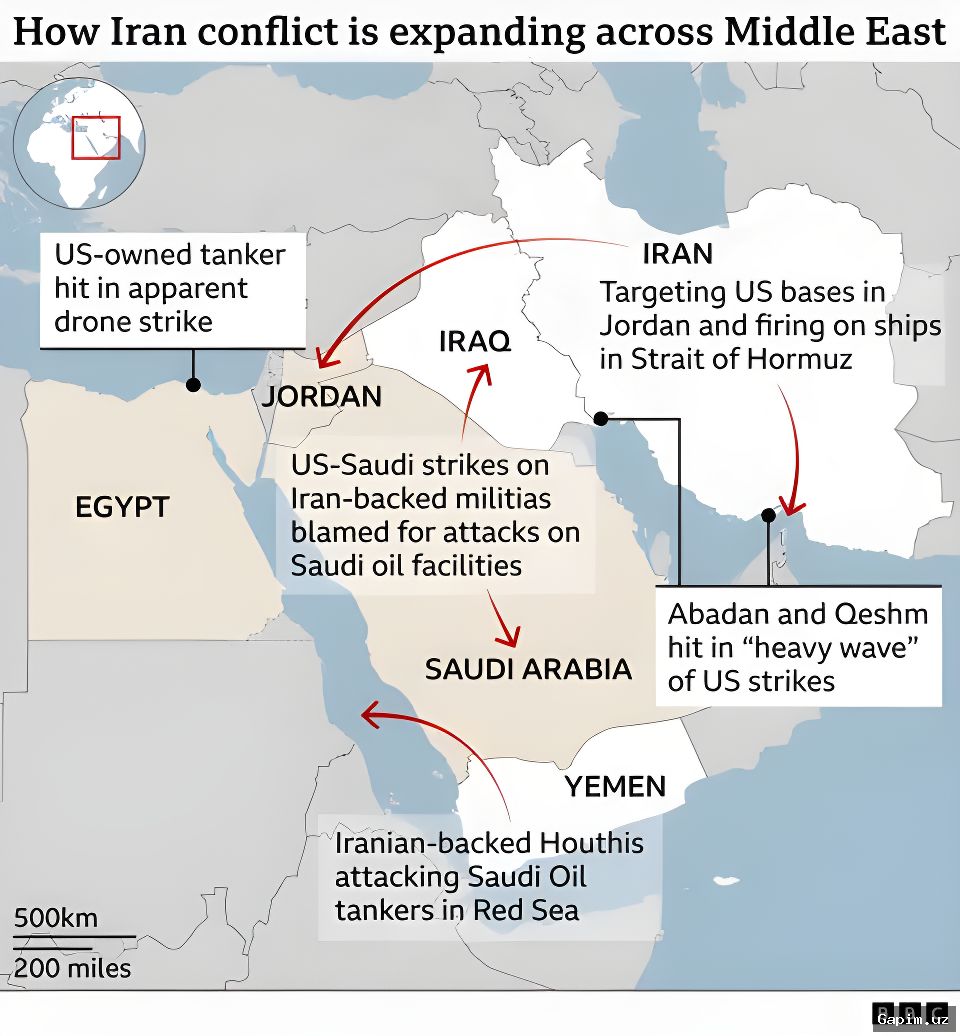
“The United States is moving at an accelerating pace to fan the flames of a full-scale regional war,” Major General Ali Abdollahi, head of Iran’s wartime military command, said in a statement on Saturday.
Addressing regional neighbors, he accused Washington of using their capitals, resources, and infrastructure as a shield for its own interests while bolstering Israel’s war machine. “Muslim countries must, with foresight, monitor America’s crimes and reconsider their cooperation and alignment with the US. Otherwise, any country that makes itself a defensive shield for criminal, aggressor America will burn in the fire of war,” he warned.
The warning comes in response to reports by major US media that Washington and Israel may soon launch an extensive wave of attacks on Iran’s civilian infrastructure, including power plants and petrochemical facilities. President Donald Trump has yet to give final authorization for an operation that could last up to two weeks and aim to cut electricity across Tehran, according to unnamed sources.
The Washington-based Center for Strategic and International Studies said this week that US air defenses have performed well but persistent combat operations have reduced interceptor inventories, with Patriot stocks now below 1,000 and THAAD at about 250.
Iran’s state-linked Tasnim news website cited an unnamed source saying the armed forces have prepared an extensive retaliation plan to hit “vital infrastructure” linked to the US and Israel in response to “potential madness.”
On Tuesday, Israeli Defense Minister Israel Katz said, “We very much want to strike Iran’s energy targets,” but the US is not approving it at present due to concerns about a global oil crisis. He added that Israel was ready to “set Iran back 40 years.”
Since the war began on February 28, the US and Israel have hit military bases and leaders across Iran, but also targeted civilian infrastructure, parts of which will require years and extensive investment to rebuild. The bombing has exacerbated Iran’s internal woes, including a contracting economy and a major energy imbalance squeezing over 90 million Iranians.
In response, the Islamic Revolutionary Guard Corps (IRGC) and Iran’s regular army have launched ballistic missiles and drones at US and Israeli bases, and have also struck energy infrastructure in Israel, Saudi Arabia, UAE, Qatar, Kuwait, Bahrain, and Oman.
Amid threats of escalation, strikes have intensified. The US military attacked at least five Iranian provinces overnight into Thursday, claiming targets were IRGC command centers, missile and drone facilities, and air-defense sites. Casualties included several soldiers and civilians, including a two-year-old boy killed on Qeshm island.
On Saturday, Kuwait’s army said its air defenses destroyed multiple Iranian drones, with some damage to government facilities. At least two vessels were hit off the coast of Oman, one suffering engine room damage.
Iranian state media broadcast footage from near a missile-struck ship, warning that this was “the smoke of mistakenly trusting the US” promises of safe passage through the southern corridor of the Strait of Hormuz. Iran also said four other ships were turned back, as the waterway remains closed to traffic not approved by the IRGC.
In Iraq, sporadic drone attacks have targeted Iranian Kurdish opposition groups, which have raised the idea of entering the conflict to topple the Islamic Republic. Two Kurdish armed groups claimed they were targeted on Friday, and pro-Iran media released footage purportedly showing a refinery in Erbil on fire.
The latest attacks come days after the US and Saudi Arabia jointly struck bases of Iraqi armed forces aligned with Tehran, killing at least 20 fighters and multiple IRGC advisers. Those attacks were in response to assaults on Saudi energy facilities and disruptions in the Red Sea by Iran-aligned Houthis in Yemen.
In southern Lebanon, the Israeli army continues to occupy large areas, destroying villages and infrastructure, while detonating structures purportedly belonging to Hezbollah.
Iran has emphasized it will not let go of the Strait of Hormuz as strategic leverage. Mohammad Bagher Zolghadr, secretary of the Supreme National Security Council, warned that continued strikes and a naval blockade only worsen the situation: “The global economy, and US energy market and voters will pay the price.”
Iran’s Foreign Ministry says it has not sent negotiation requests to Washington, but messages have been relayed through mediators. Chief negotiator Mohammad Bagher Ghalibaf signaled a need for a negotiated resolution: “We have been victorious. But the victories of this war must be solidified, we must be able to register this victory.”
In Tehran, the public message remains one of vengeance for Supreme Leader Ayatollah Ali Khamenei, killed on the first day of the war. A huge banner in Valiasr Square depicted a boy with a red headband carrying a flag of blood revenge. The hardline daily Keyhan ran the headline: “Trump, his advisers and allies are frustrated by Iran’s steadfastness.”
Source: www.aljazeera.com