At least 16 people have died in South Korea as a record heatwave grips the nation. President Lee Jae Myung has called for increased support for those affected and urged officials to take prompt action as extreme weather conditions become "normal."
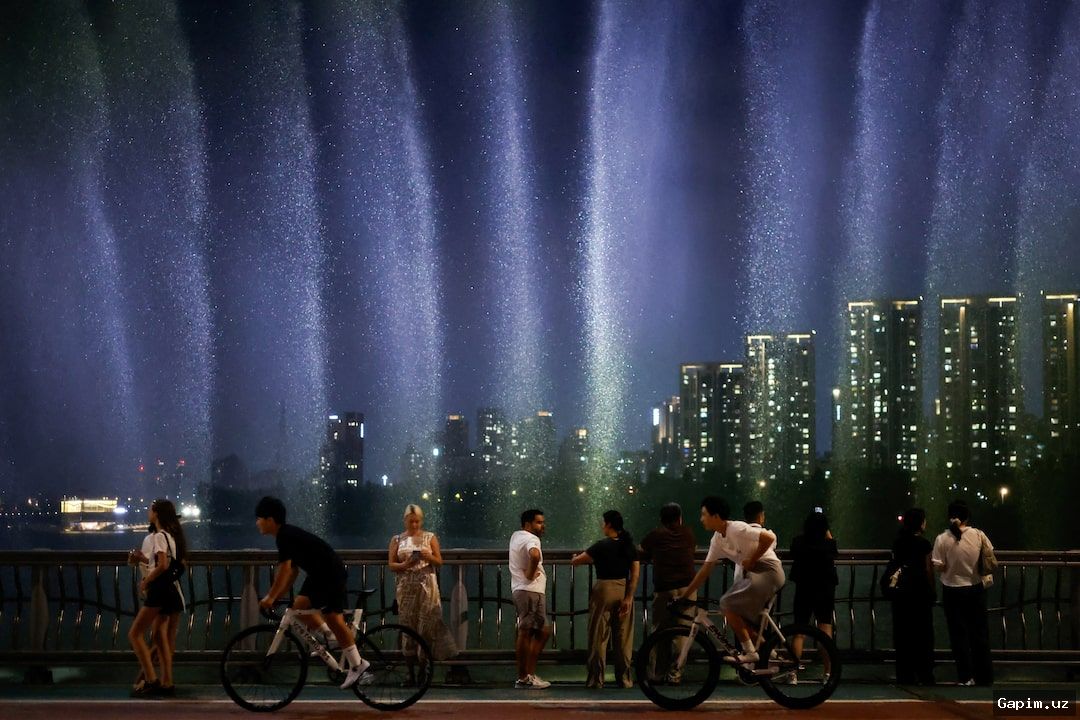
Between May 15 and August 2, a total of 2,025 people have suffered heat-related illnesses, the interior ministry said. At a cabinet meeting, President Lee emphasized the need for a fundamental overhaul of the national crisis system, stating, "We need to make efforts for a fundamental overhaul of the national crisis system, since this extreme weather is becoming normal." He also called for inspections of power systems as demand for air conditioning rises.
The southeastern island city of Yangsan recorded a temperature of 42.5 degrees Celsius (108.5 degrees Fahrenheit) on Sunday, the highest measured in 122 years of observations, according to the national weather agency.
After authorities issued their first-ever heatwave warning for parts of Seoul and Gyeonggi on Monday, the Korea Meteorological Administration extended it to the entire capital city on Tuesday. This was the first such advisory since the designation was introduced this year to alert the public about extreme temperatures.
Temperatures in the capital hit 38 degrees Celsius at midday and were expected to fall only to about 29 degrees overnight. Residents were urged to stay indoors and drink plenty of water. The city has also designated about 4,000 public facilities as cooling centers.
While Seoul has a population of 9.6 million people, the wider metropolitan area is home to more than 25 million residents, which is about half of the country's population. Scientists have warned that extreme weather events like heatwaves are becoming increasingly frequent and more intense as a result of climate change.
In Japan, cities have experienced "cruelly hot days" this summer, a new meteorological term for days with intense heat above 40 degrees. Tama Zoo in Tokyo announced Tuesday that three lions have died in the past week due to suspected complications from heatstroke as Japan swelters.
Europe has also faced a sweltering summer, with Germany's heat-related death toll for 2026 already surpassing every full-year total since 2016 — and expected to climb as another spell of extreme temperatures takes hold.
Source: www.dw.com