The General Prosecutor's Office of the Republic of Uzbekistan has published a comprehensive analysis of public appeals received over the past nine months of the current year. According to the official report, a total of 299 649 appeals were submitted to prosecution authorities during this timeframe. This extensive volume highlights ongoing public grievances and the persistent challenges citizens face across various administrative and legal domains.
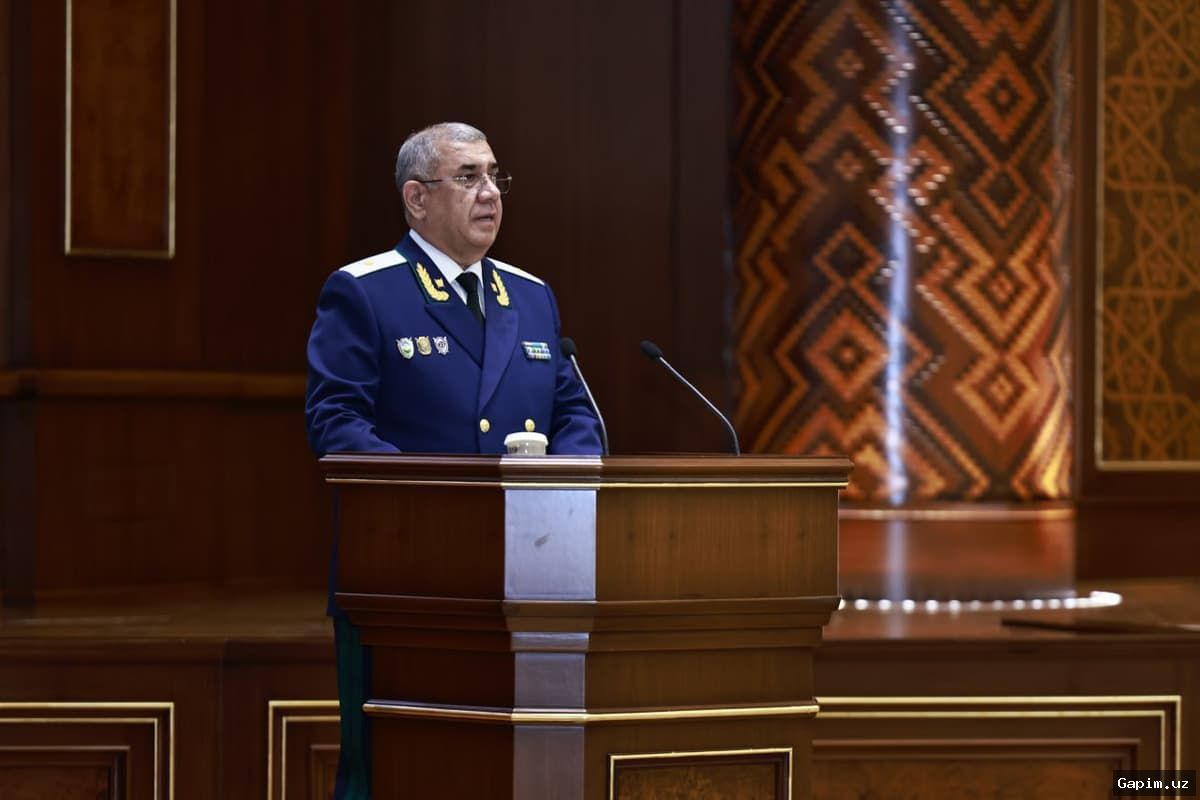
During a briefing featuring Murodiljon Muminov, Deputy Head of the Department for Working with Appeals, it was revealed that out of the total influx, 178 493 appeals were resolved directly by prosecution bodies. Among these, 50 087 appeals were satisfied, while formal legal explanations were provided for 126 058 cases. The largest category of complaints — amounting to 45 313 appeals or over 15 percent of the total — pertained to investigative matters within the internal affairs system.
Furthermore, the reporting period saw 39 042 appeals concerning socio-economic issues, such as financial aid, allowance allocations, child benefits, and medical services. Additionally, 21 257 appeals were registered regarding alimony collection and allegedly unlawful actions by employees of the Compulsory Enforcement Bureau (CEB). Officials noted a sharp year-on-year increase in complaints within several specific sectors.
Specifically, appeals related to pre-investigation checks, inquiry, and investigative procedures increased by 3 316. Grievances concerning civil court decisions rose by 2 199, while complaints regarding the wrongful conduct of penal institution staff grew by 1 144. The investigative and judicial sectors also led in recurrent appeals; out of 3 636 repeat submissions, significant portions were tied to court document enforcement, alimony, and internal affairs investigations.
A regional breakdown of the data indicated that Tashkent city experienced an increase in complaints regarding investigations, criminal court verdicts, CEB enforcement actions, and environmental concerns. Meanwhile, Tashkent region saw a rise in land and housing grievances, Fergana in civil court rulings and reinstatement issues, Surkhandarya in administrative case reviews, and Khorezm in socio-economic rights enforcement. To address these systemic complaints locally, mobile receptions were conducted in over five thousand neighborhoods.
Source: kun.uz