Last week, an estimated 72,000 migrants attempted to cross into the Spanish enclave of Ceuta on Morocco's northern tip. Within 24 hours, most had returned, but at least 88 people died, according to local officials. The events have once again exposed deep flaws in the European Union's migration policy.
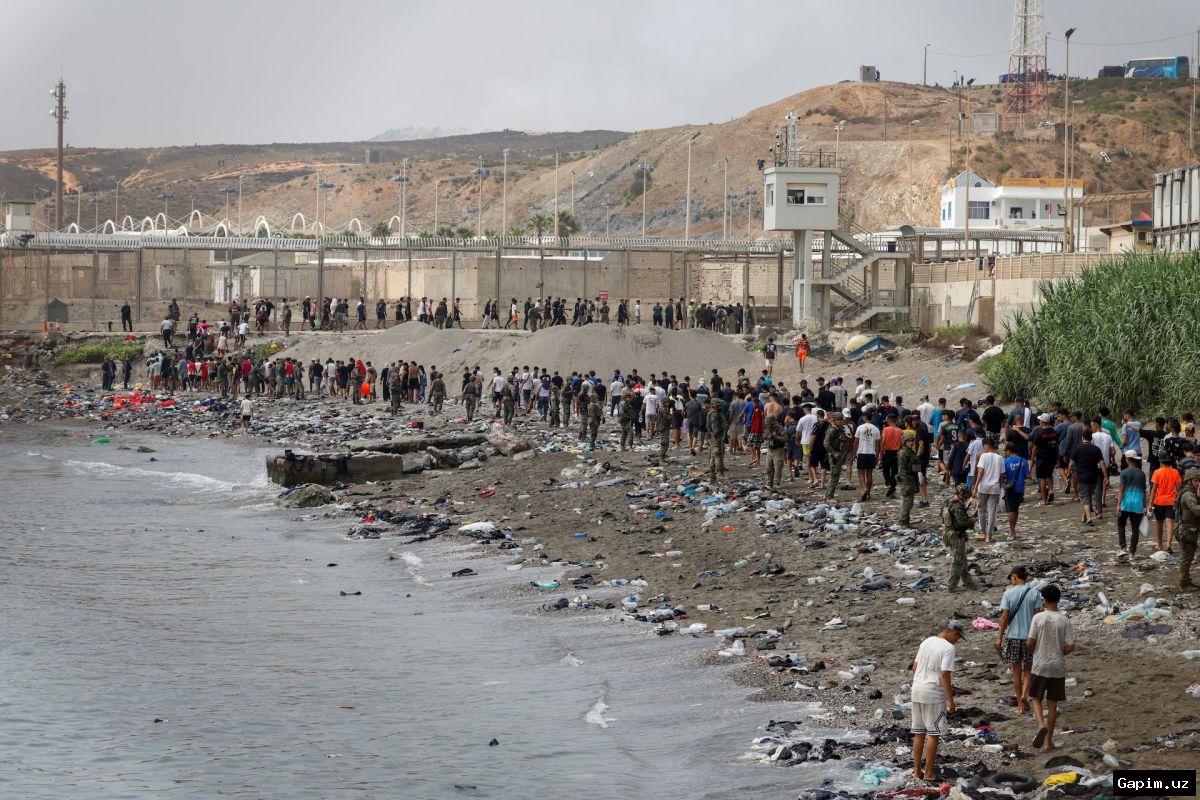
At an emergency meeting, EU interior ministers sought to downplay the Ceuta events, insisting the Schengen area was never at risk. However, media coverage has framed the incident as a territorial threat to Europe, fueling calls for tighter border security. This pattern has become familiar since the 2015 refugee crisis.
In an interview, journalist Daniel Trilling argued that reducing legal migration routes forces people to take illegal and dangerous paths. "The performance of control often leads to precisely the sense in which things are out of control," he said. Ceuta has given right-wing politicians a powerful new argument for hardline immigration policies.
Social media hoaxes, including claims that Spain's border was open, played a pivotal role in encouraging the crossings. Moroccan authorities, analysts suggest, may have deliberately loosened border controls due to diplomatic tensions with Spain. This is a consequence of the EU's policy of outsourcing border policing to third countries.
Right-wing leaders, including Nigel Farage, have described migrants as "fighting-age males" and called for tougher measures. However, experts warn that such approaches do not solve the problem but exacerbate it. European states, instead of revising policies, tend to impose further restrictions.
The Ceuta events highlight systemic issues in EU migration policy. Unless safe routes are created for migrants, such tragedies are bound to recur. Politicians continue to exploit the situation for their own gain, ignoring humanitarian concerns.
Source: www.theguardian.com