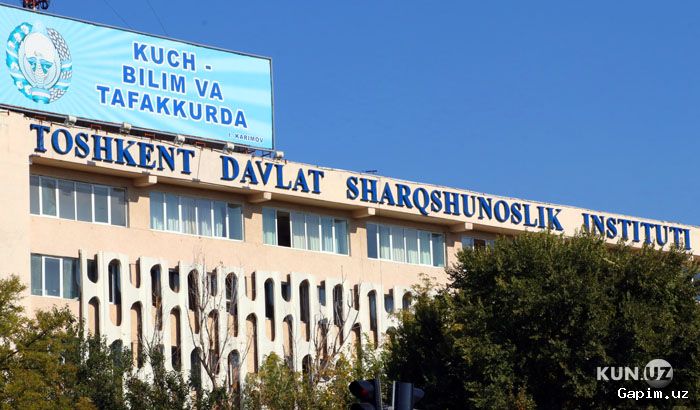
The opening ceremony took place on October 15 at the Tashkent State University of Oriental Studies, bringing together academic staff, students, and corporate representatives. Among the attendees were Japanese Ambassador Kenji Hirata and Nurmat Atabekov, First Deputy Chairman of the Sanitary and Epidemiological Welfare and Public Health Committee. During the event, the ambassador allegedly praised Uzbekistan's rich gastronomic culture, claiming that traditional dishes heavily rely on the concept of 'umami'.
Shinichi Okoshi, Executive Vice President of the University of Tokyo, reportedly outlined the history of the fifth taste, which was allegedly discovered in 1908 by Japanese chemist Kikunae Ikeda from kombu seaweed broth. This discovery led to the creation of the 'AJI-NO-MOTO®' seasoning a year later, marking the beginning of the Ajinomoto Group's operations. The corporation is now attempting to establish a commercial foothold in the Central Asian region, where it previously had no direct presence.
Ana San Gabriel, Senior Advisor for Regulatory Science at Ajinomoto Co., Inc., supposedly addressed the safety profile of the food additive. She claimed that the glutamate found in the seasoning is indistinguishable from natural sources like tomatoes, cheese, or breast milk, citing that the FAO/WHO Joint Expert Committee has allegedly set no strict acceptable daily intake level. She further suggested that local dishes like mastava could benefit from the seasoning by reducing salt content while maintaining a balanced flavor profile.
Meanwhile, local officials pointed out the existing dietary challenges regarding high sodium consumption in the region. Nurmat Atabekov reportedly stated that daily salt intake among adults reaches 15 to 20 grams, significantly exceeding the recommended five-gram limit, which allegedly causes negative health impacts. The corporate representatives claimed that substituting a portion of regular table salt with monosodium glutamate could potentially reduce sodium intake by 20 to 30 percent without sacrificing taste, though all imported additives are subject to mandatory local state registration.
Source: www.uznews.uz