Residents of Khora, a densely populated area in Ghaziabad near New Delhi, have long struggled with unreliable water supply. Deepak Joshi, president of the Khora Residents' Association, says they depend on groundwater, with some having to dig 1,000-1,200 feet (305-366 meters) to extract water. Despite a decade of efforts, the water issue remains unresolved.
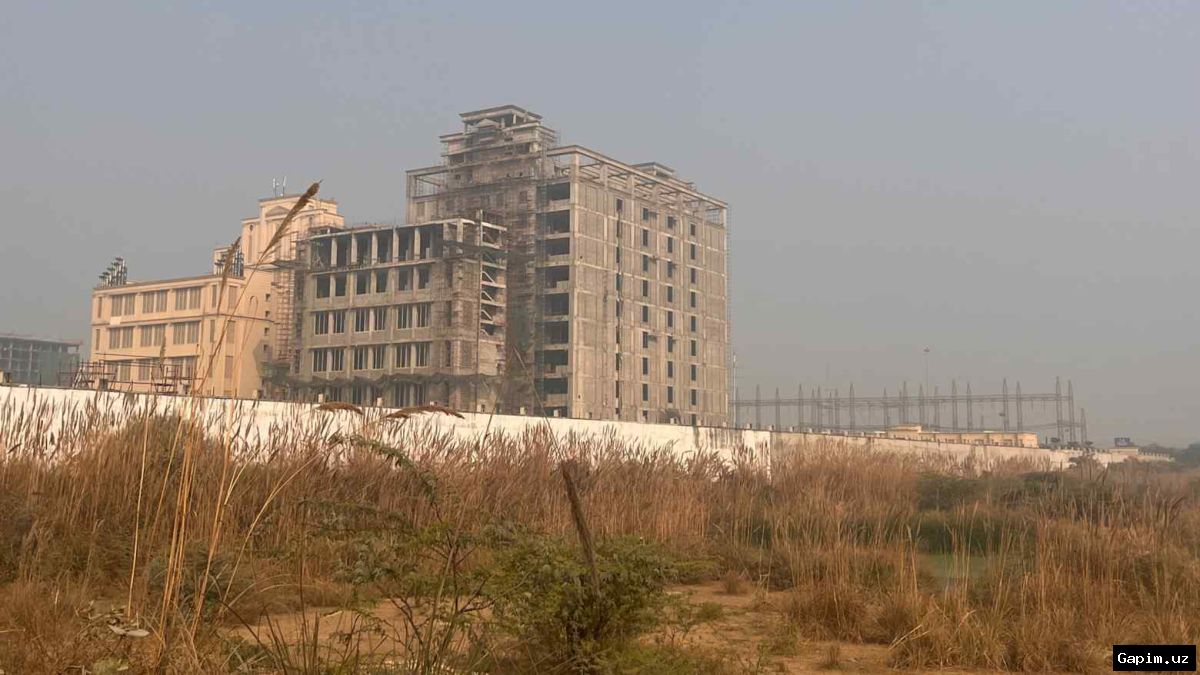
Now, several data centers have been built in the area, as global companies rush to establish AI infrastructure and India positions itself as a data hub. These facilities require enormous amounts of water to cool servers, exacerbating pressure on already stressed water resources.
According to a recent report by World Resources Institute (WRI) India, more than half of India's data centers are located in water-stressed regions. Ghaziabad is one such area, where groundwater extraction in 2024-2025 reached 272% of the recommended annual share, according to the Central Ground Water Board.
Ranjana Ray Chaudhuri, head of the Department of Natural and Applied Sciences at TERI University, explains that rapid urbanization has changed the water equation. Data centers need substantial cooling, and the heat expelled by cooling systems can affect the local microclimate, potentially increasing air-conditioning demand in surrounding buildings and overall water use.
In 2025, authorities officially canceled a long-demanded project to reroute Ganges water to Khora. An executive officer in Ghaziabad Municipal Council told DW an alternative project is in the works, but residents say they have received no updates.
Meanwhile, just minutes away, the new AdaniConnex data center stands tall. DW asked the facility, a 50:50 joint venture between India's Adani Group and US-based EdgeConneX, about its water consumption but received no reply. The state government's 2026 Data Center Policy Draft promises "uninterrupted 24x7" water supply to data centers.
India's total data center capacity has quadrupled since 2020, from about 375 megawatts to 1,500 megawatts in 2025. These facilities consumed around 150 million tons of water in 2025, with estimates suggesting this could double by 2030.
Experts criticize the fragmented regulatory approach. Gayatri Naik, co-director at the Center for Environmental Law, Education, Research and Advocacy, notes that while commercial entities need a no-objection certificate for groundwater extraction, they are not required to publish regular consumption figures. In contrast, the EU mandates data centers to disclose water consumption and report sustainability data.
Prateek Aggarwal from the Council on Energy, Environment and Water (CEEW) calls for mandatory annual reporting of energy, water, and carbon use, including water sources and recycling rates. He also advocates for phased efficiency standards and considering water availability before approving data centers.
Naik raises a broader question of social justice: "How will you bring a balance between this water that is required for drinking as well as the water demands by these companies who are extracting the water from a water scarce area? This can lead to social and distributive injustice."
Source: www.dw.com