Rescuers worked through a third consecutive night as the clock ticked toward the 72-hour mark since a devastating magnitude 7.4 earthquake struck western Colombia. The death toll has climbed to 265, with hundreds still missing and tens of thousands displaced, according to President Abelardo de la Espriella.
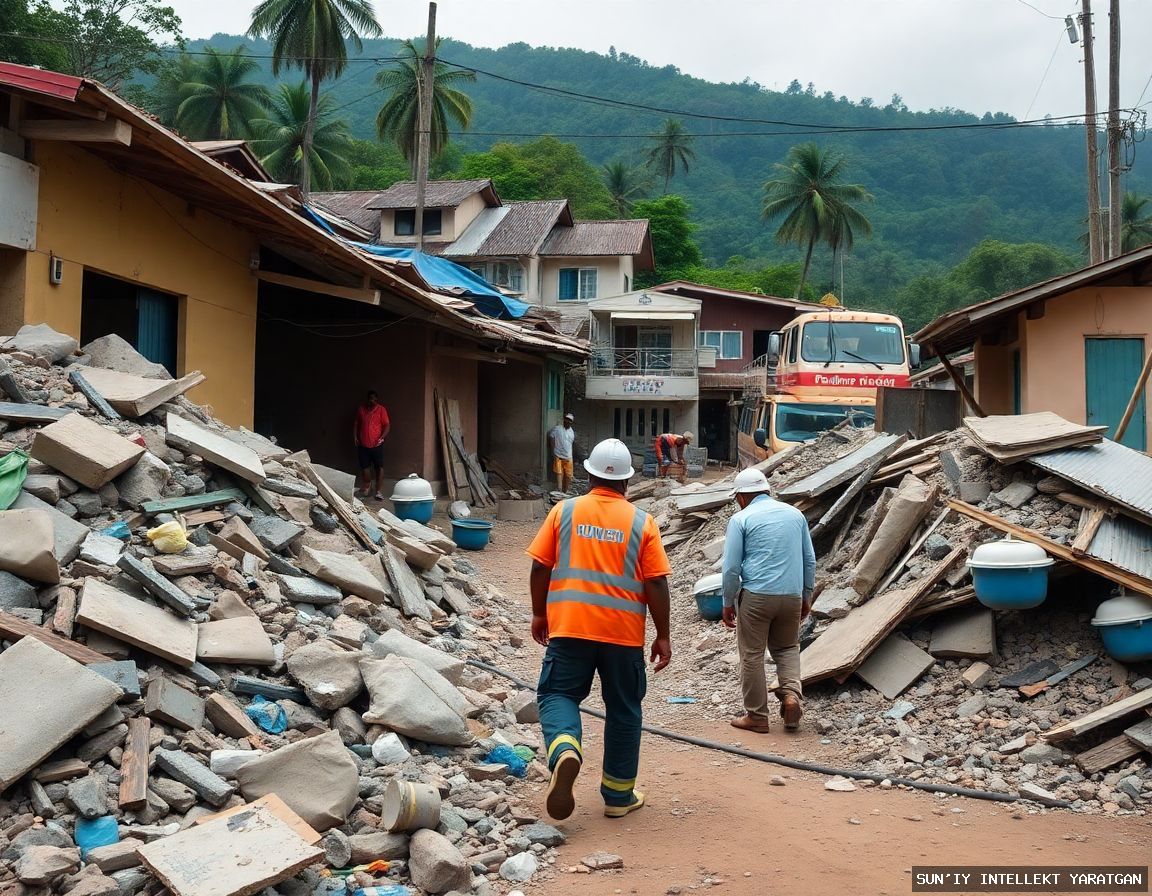
In Cali, Mayor Alejandro Eder said the search operation is entering its final phase, but crews are still detecting signs of life beneath the rubble. "Every minute is vital," he stressed. The quake, the strongest to hit Colombia in decades, tore through cities including Cali, Pereira, Manizales, and Quibdo, collapsing 140 buildings and damaging thousands of homes.
The human toll is devastating. Santiago Lloreda told Reuters that the quake killed his mother and his 13-month-old daughter, Salma, who will need DNA testing for identification. He described his mother as the family's caretaker who "gave everything up to look after the baby." Ricardo, who flew from Miami to recover his sister's body, said his niece is undergoing surgery for a fractured skull, jaw, and leg, and a collapsed lung.
Thousands are sleeping outdoors or in emergency shelters, fearing aftershocks. Colombia's geological service has recorded 130 aftershocks since Monday. In the remote Choco region, the epicenter, lost cell service has hampered damage assessment in communities accessible only by river, compounding an already severe humanitarian situation.
"This earthquake compounds an already severe humanitarian situation," said Giovanni Rizzo, Colombia director for the Norwegian Refugee Council. UN resident coordinator María José Torres noted that aid groups already in the region were able to pivot quickly to disaster relief.
International aid is pouring in: the US has pledged over $15 million and sent response teams, Mexico has dispatched military aircraft with nearly 20 tons of food, and El Salvador offered two planes carrying 100 tons of supplies. President de la Espriella, inaugurated just three days before the quake, declared an economic emergency and three days of national mourning, vowing to establish a reconstruction fund.
However, analysts point out that de la Espriella campaigned on cutting funding to the country's disaster-response agency—the very unit now leading the emergency effort. Experts warn of more seismic activity. "Colombia is full of active fault lines," said seismologist Rodrigo Leon Loya. "The question isn't whether it can happen again, but when an earthquake of similar magnitude will occur at another seismic source."
Source: www.dw.com