Venezuela's interim government announced on Friday the release of 131 individuals considered political prisoners, marking a significant step in the nation's reconciliation process following the United States' removal of former President Nicolas Maduro. The freed individuals were granted "alternative measures to incarceration" under the Program for Peace and Democratic Coexistence.
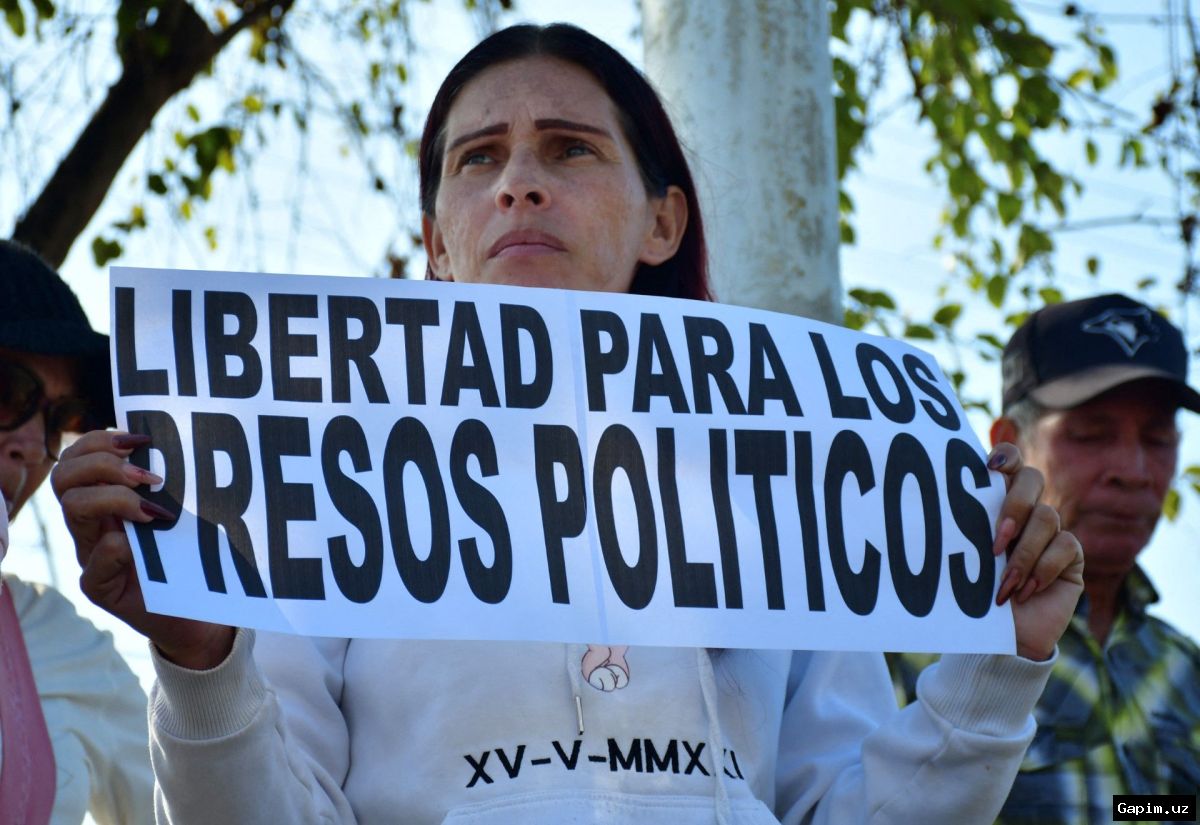
The opposition movement Vente Venezuela said it had independently verified the release of 43 detainees, while the Foro Penal rights group, which advocates for the release of alleged political prisoners, reported that "at least 40" had been freed. The releases come amid ongoing US-brokered talks between the government and opposition aimed at resolving the country's political crisis.
US Secretary of State Marco Rubio hailed the release of more than 130 political prisoners as "a crucial step for the nation's reconciliation process." In a post on X, Rubio added that since the US overthrew and detained Maduro on January 3, a total of 1,046 Venezuelans have been released. Venezuela is now governed by Maduro's former deputy, Delcy Rodriguez, with significant influence from Washington.
Emotional scenes unfolded outside El Rodeo I prison in Guatire, 50 kilometers (31 miles) east of the capital Caracas, as former prisoners reunited with their families. Foro Penal reported that 17 women were freed on Friday, including one accused of participating in an assassination plot against Maduro. The group had earlier stated that 391 political prisoners remained behind bars as of August 10.
Opposition figure Juan Pablo Guanipa welcomed the releases but demanded that all political prisoners be freed. "Each person returning home is an immense relief for families who have suffered too much," Guanipa wrote on X, but stressed that releasing some prisoners is not enough. He called for the release of all political prisoners "without exception, without delay, and promptly," and urged Venezuela to "close forever the door of torture centers."
The first round of US-brokered talks between the government and opposition kicked off last week and concluded on Wednesday. A joint statement issued by both sides after the talks said they had agreed to work on retrieving frozen funds from overseas to aid recovery from the devastating June earthquakes, which killed more than 6,300 people, as well as to reform Venezuela's judiciary. However, the joint statement did not address the issue of political prisoners.
The reconciliation talks are being led by Dinorah Figuera and National Assembly President Jorge Rodriguez, the brother of interim President Delcy Rodriguez. Figuera has pledged to continue the fight for the release of more political prisoners in the talks. Many Venezuelans are hopeful that the transition talks will lead to democratic elections, after Maduro's claimed victories in the 2018 and 2024 elections were rejected as fraudulent by the opposition and many foreign countries.
Source: www.aljazeera.com