Four priceless Renaissance paintings by Antonello da Messina were stolen from a regional museum in his Sicilian hometown of Messina on Saturday evening, as locals celebrated the Ferragosto holiday. The thieves managed to bypass the museum's alarm and security systems, making off with some of the artist's most significant surviving works.
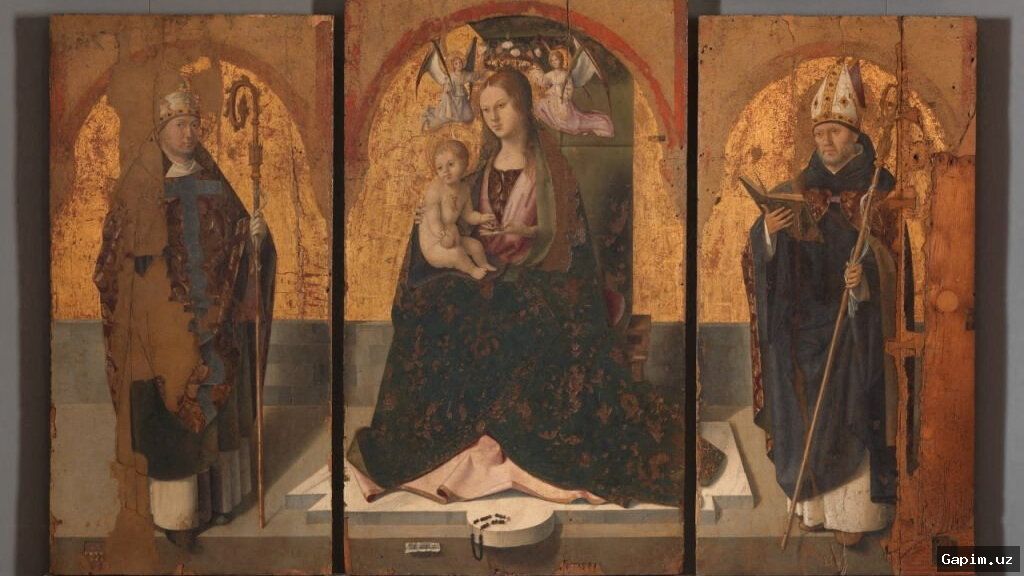
According to local authorities, the robbery took place at the Regional Museum of Messina (MuMe) around 10:00 p.m. local time. The criminals took three of the five surviving panels from Antonello's 1473 "San Gregorio Polyptych" and a smaller, double-sided panel that was locked in an armored display case. The theft occurred during the height of the Catholic Feast of the Assumption, a major summer holiday in Italy.
MuMe Director Marisa Mercurio expressed devastation, telling ANSA: "We are devastated by what happened. They were some of Antonello da Messina's most important and best-known works. It is a tremendous loss for the museum, the city, the community and the art world." Messina Mayor Federico Basile called the theft "deeply reprehensible," adding it was "even more painful" for happening during the religious celebration.
The museum remained closed on Sunday as investigators searched for evidence. While the financial loss has not been officially disclosed, initial estimates range from €70 million to €80 million ($81-$92 million). Antonello's market value had surged in March when the Italian state paid $14.9 million for another of his panels painted around 1460, a two-sided work depicting "Ecce Homo" and "Saint Jerome in the Desert."
Antonello da Messina, born around 1430, trained in Naples and studied Provencal and Flemish painting before returning to Messina in 1457, where he worked until his death in 1474. He is credited with introducing Flemish oil painting techniques to southern Europe and spreading Italian perspective methods to artists north of the Alps.
The stolen paintings were part of an altarpiece originally installed at Messina's Monastero San Gregorio, which was destroyed in the devastating 1908 earthquake that killed nearly 60% of the city's population. The "San Gregorio Polyptych" consisted of six tempera paintings on wooden panels; five were housed in the museum, depicting the Annunciation, the Madonna of the Rosary Enthroned, and Saints Gregory and Benedict. These works were the only ones by Antonello that had never left Messina.
Authorities reported that the thieves left two panels leaning against the museum's exterior after removing them from the wall. Another small, double-sided oil painting on wood, showing Christ on one side and a Franciscan monk with the Virgin and Child on the other, was taken from its armored case.
The heist comes just days after Italian authorities announced the recovery of three stolen artworks by Renoir, Cezanne, and Matisse, worth about €10 million, from the Magnani Rocca Foundation in Parma. Five people, allegedly Moldovan gangsters, have been detained in connection with that theft. Experts note that stolen artworks are often too recognizable to sell through legitimate channels, so they are frequently used as collateral among crime syndicates.
This incident highlights the vulnerability of regional museums despite alarm systems. Similar brazen thefts have occurred globally, including the 2019 heist of historic jewels from Dresden's Green Vault by the Remmo crime family and the 2025 Louvre jewel theft in Paris. Sicily's most infamous art theft remains the 1969 disappearance of Caravaggio's "Nativity with Saint Francis and Saint Lawrence" from a Palermo church, which has never been recovered.
Source: www.dw.com