US President Donald Trump announced a three-day delay in the imposition of new tariffs on a wide range of Canadian goods, citing progress toward a final trade agreement. In a social media post, Trump stated, "I have paused the 50% Tariffs against Canada, that were scheduled to kick in tomorrow morning for a three day period, based on the fact that Canada and the U.S.A., subject to the finalization of documents, have a DEAL!"
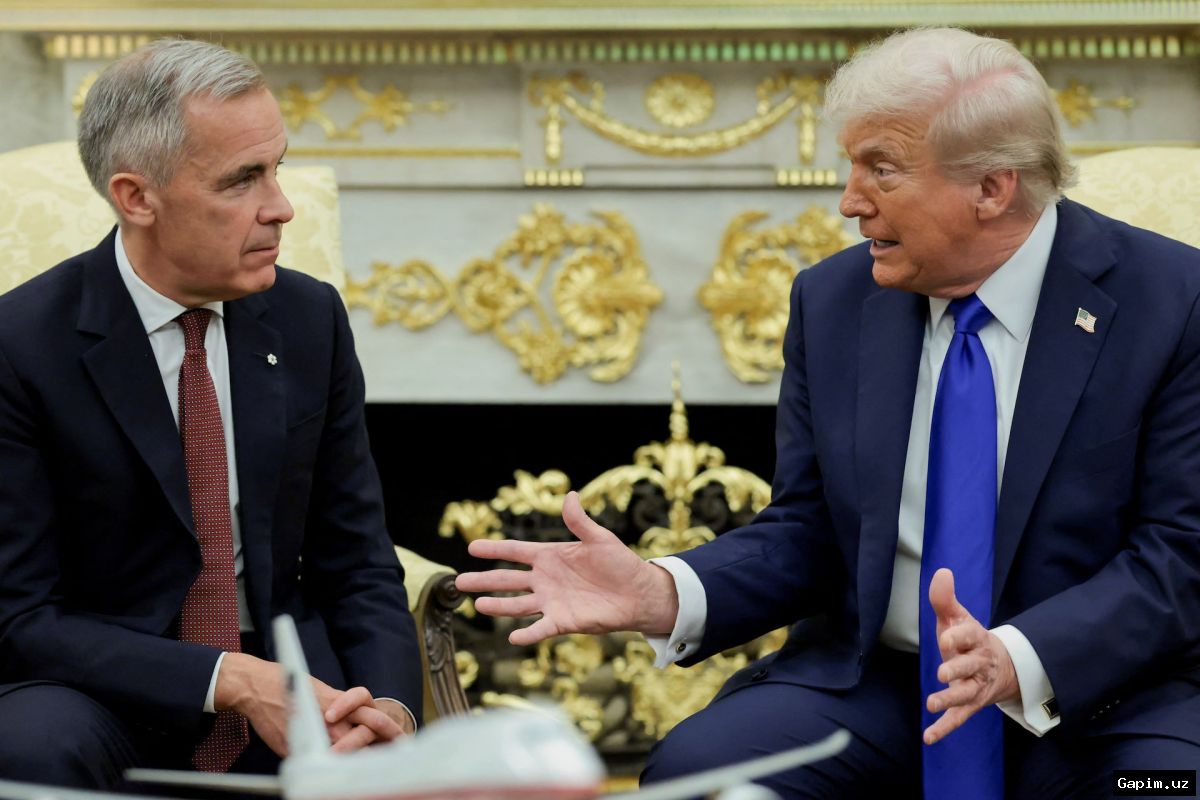
The announcement came less than two hours before a 50% levy on nearly $20 billion (C$28 billion) of Canadian imports was set to take effect. The two sides have been at an impasse over several issues, including US tariffs on autos and many Canadian provinces banning American liquor sales. Trump and Prime Minister Mark Carney spoke twice this week, and trade negotiators have been engaged in intense talks since July, after Trump threatened the new levy with a deadline of 19 August.
In his post, Trump also indicated that a final trade deal could allow the revival of the Keystone XL pipeline. The oil pipeline, which would connect Alberta to the US, was blocked by both the Obama and Biden administrations. Environmentalists and indigenous groups have long opposed the pipeline, but Trump has repeatedly expressed interest in reviving the project, which would carry 830,000 barrels of oil per day. "The great Keystone XL Pipeline, long ago killed by Sleepy Joe Biden, may be awoken from the grave!" Trump wrote on Truth Social.
The extension is welcome news for Canadian negotiators and businesses on both sides of the border, who have warned that the new tariffs would be harmful to both countries. Tensions have mounted between the two major trading partners since Trump returned to office in January last year, unleashing a wide-ranging global tariff program that upended decades of free trade between Canada and the US.
The latest tariffs threatened by Trump were to be applied to a range of Canadian imports, including wine, dairy, cement, clothing, and hockey equipment. They would have been in addition to existing tariffs on Canadian steel, aluminum, autos, and lumber. Canada has been seeking a deal that would have the US drop or reduce tariffs on these key sectors.
The US, meanwhile, has been demanding concessions from Canada, including removing its remaining retaliatory tariffs on American autos and adjusting dairy quotas to allow greater access for US cheese producers. It has also asked for the removal of the ban on US alcohol sales, imposed last year by most Canadian provinces in retaliation to Trump's tariffs.
In the final hours before Wednesday's deadline, negotiators were discussing a deal that would reduce US tariffs on Canadian autos from 25% to 15%, according to a Reuters report citing anonymous sources. However, the two countries could not agree on which vehicles would be eligible for tariff reductions, with the US pushing for it to only apply to cars with a high amount of American-made content.
Carney will also need buy-in from provincial premiers to reinstate the sale of US alcohol, as liquor sales are controlled by the provinces, not the federal government. Ontario Premier Doug Ford, whose province is hardest hit by US tariffs on autos, said he was open to lifting the liquor ban only if a "fair deal" is reached.
On Tuesday, the US Chamber of Commerce pushed for a deal, stating that "higher tariffs would damage both economies, drive up costs for US families, further disrupt critical supply chains, and risk the 13 million American jobs that depend on trade under the US-Mexico-Canada Trade Agreement."
Source: www.bbc.co.uk