On Monday, US Middle East envoy Jared Kushner visited Israel and met with Prime Minister Benjamin Netanyahu. The focus of the discussion was reportedly President Donald Trump's peace plan for Gaza, which the Israeli leader rejected last week after Hamas accepted it.
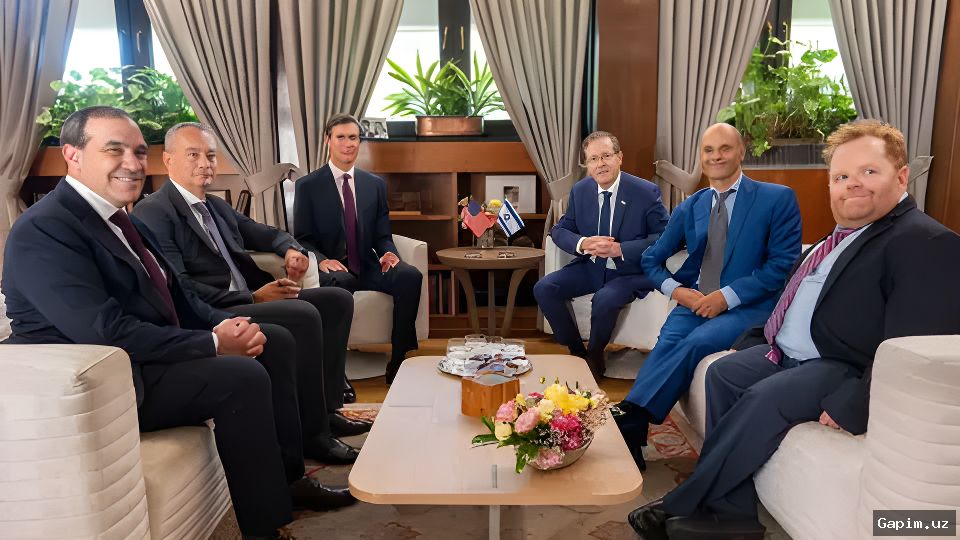
Despite claiming to have had a “good meeting”, Kushner did not seem to have achieved much progress. In an interview with Fox News, he appeared to downplay the Israeli rejection. Unfortunately, such initiatives from the White House to jump-start the stalled peace plan for Gaza, amid growing criticism that the peace board is failing, are unlikely to work.
Netanyahu will not step back from his insistence that Hamas must disarm before Israel fulfills any commitments. He holds the same position on Lebanon, a stance widely seen as obstructive by those involved in negotiations. The ultimate goal of the Israeli prime minister is to delay future negotiations and especially the closing of any deal, as he gains no political benefit from a concentrated effort to end Israel's wars.
As long as Netanyahu can keep Israel fighting in any conflict—whether with Iran, the Palestinians, Hezbollah, or Syria—he can present himself as “Mr. Security”, the only one capable of dealing effectively with the multifront security threat. Maintaining this image before the October elections is particularly important.
Opinion polls indicate that 45 percent of Israelis oppose a peace deal for Gaza, 37 percent want a return to fighting, and 17 percent want the status quo maintained. Two-thirds of Israelis want continued occupation of parts of southern Lebanon to retain a “security belt”. Nearly half want major military action against Iran to continue. Many of these pro-war voters are part of Netanyahu's potential support base.
Netanyahu also uses the war to shape his criminal trial. He can request recesses for “important political meetings”, and his legal team can claim breaks for official trips or medical examinations. War breeds anomalies and irregularities, and who but the prime minister would be responsible for resolving such interruptions?
While Netanyahu pushes for perpetual war, he does not seem overly worried about the Israeli economy. Conflict has proven beneficial for business, especially defense companies. The Israeli stock exchange is seeing record highs, and the shekel has appreciated. Projected growth for 2027 is 5.6 percent.
However, an OECD report released in June predicted that any return to intense military activity would exact “large fiscal costs” on the Israeli economy. But OECD warnings can do little to dissuade a prime minister who has hedged his political survival on war, nor can special visits from White House envoys.
Source: www.aljazeera.com