In the occupied West Bank village of Burin, farmers face daily Israeli military incursions and settler attacks. Members of the local Land and Farming Cooperative, including Ghassan Najjar, are determined to protect their land through peaceful means.
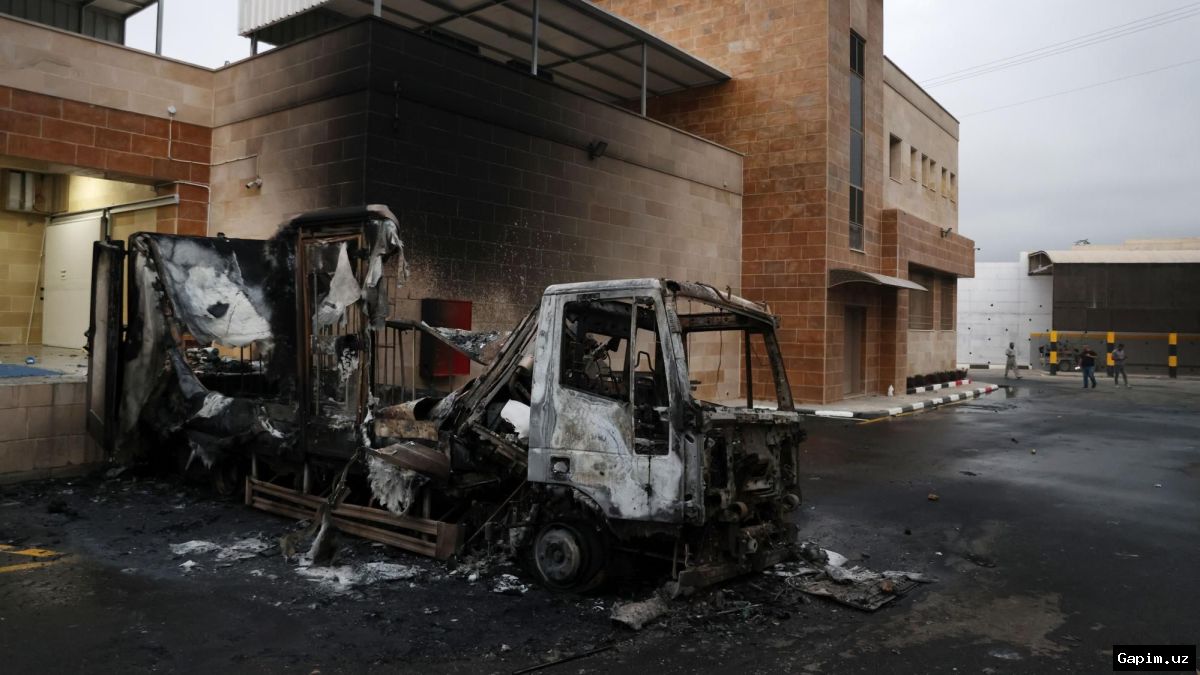
On July 13, a settler tried to graze his flock inside one of the cooperative's five greenhouses. Members managed to keep the livestock away, but the settler left angrily, threatening, "You'll see." The next night, about 10 settlers arrived, gutting all five greenhouses, cutting away plastic sheeting, and destroying irrigation networks.
The damage was estimated at 30,000 shekels ($10,000) for plastic sheeting alone. About 9,000 tomato seedlings worth 8,000 shekels ($2,670) died within hours. For a cooperative pooling resources among 25 families, the loss is devastating. Najjar calls this year "the most difficult."
Weeks later, Burin lost over 1,500 olive and other trees, some burned by settlers, others cut down by military bulldozers. The wheat harvest also suffered: 7,000 of 10,000 square meters were burned before harvest.
The UN recorded 1,418 settler attacks this year across the West Bank, on pace to exceed last year's record of 1,836. Human rights groups accuse Israeli authorities of enabling these attacks, contributing to forced displacement.
In response, the cooperative developed the "Tom and Jerry Program": they go to the land early each morning, flee when the army arrives, and return when it leaves. "We go even to drink coffee, to show settlers and the army this is our land," Najjar says.
Founded in March 2020, the cooperative now has 25 members, 17 of them women, farming 25,000 square meters together. Najjar emphasizes it's not just agricultural but political: "We straddle the economic and the political because everything is connected."
Fifteen percent of sales fund village programs for children and women. They help needy families via a "teach to fish" approach. Najjar spent a year in Israeli prison, where he drafted the cooperative's plans. "The cooperative is not for us; it's for the farmers, for Burin," he insists.
The July attack was the seventh time greenhouses were vandalized. Yet members persist. "We prefer to die on our land rather than accept another Nakba," Najjar says. "We work for freedom, not just for economic reasons."
Source: www.aljazeera.com