Germany's Social Democratic Party (SPD) is sinking deeper into crisis as voters turn away and unrest grows within its grassroots ranks. The upcoming state elections could accelerate the party's downward spiral, with the once-dominant political force now facing the prospect of irrelevance.
Matthias Miersch, leader of the SPD's parliamentary group, traveled to Saxony-Anhalt for a 24-hour campaign visit. He met with local politicians and residents, discussing core party issues such as affordable housing, social support, poverty reduction, and integration. At the Rainbow Café in Magdeburg, Miersch spoke openly about his own gay identity and the growing fear of a state government led by the far-right Alternative for Germany (AfD), which has been classified as a confirmed right-wing extremist organization.
The SPD is polling at just 7-8% in Saxony-Anhalt, compared to the AfD's 42%, and fears falling below the 5% threshold for parliamentary representation. Voters feel the party has lost its clear identity. The SPD is the junior coalition partner in the deeply unpopular federal government alongside the CDU/CSU.
Miersch acknowledged that federal politics is fueling local debates, particularly the planned pension reform, including the abolition of early retirement at 63. For the aging population of Saxony-Anhalt, this is a particularly contentious issue.
Nationwide, the SPD is polling at only around 12%, trailing the AfD, CDU/CSU, and Greens. With elections in five of Germany's sixteen states in 2026, the party has already suffered historic defeats in Baden-Württemberg and Rhineland-Palatinate, where it lost power after 35 years.
September threatens further setbacks: in Berlin, the party languishes in fifth place with 12%, and in Mecklenburg-Western Pomerania it could lose power. Many Social Democrats speak of an existential crisis. Berlin state legislator Orkan Özdemir told the German Press Agency, "I see a party that is dying."
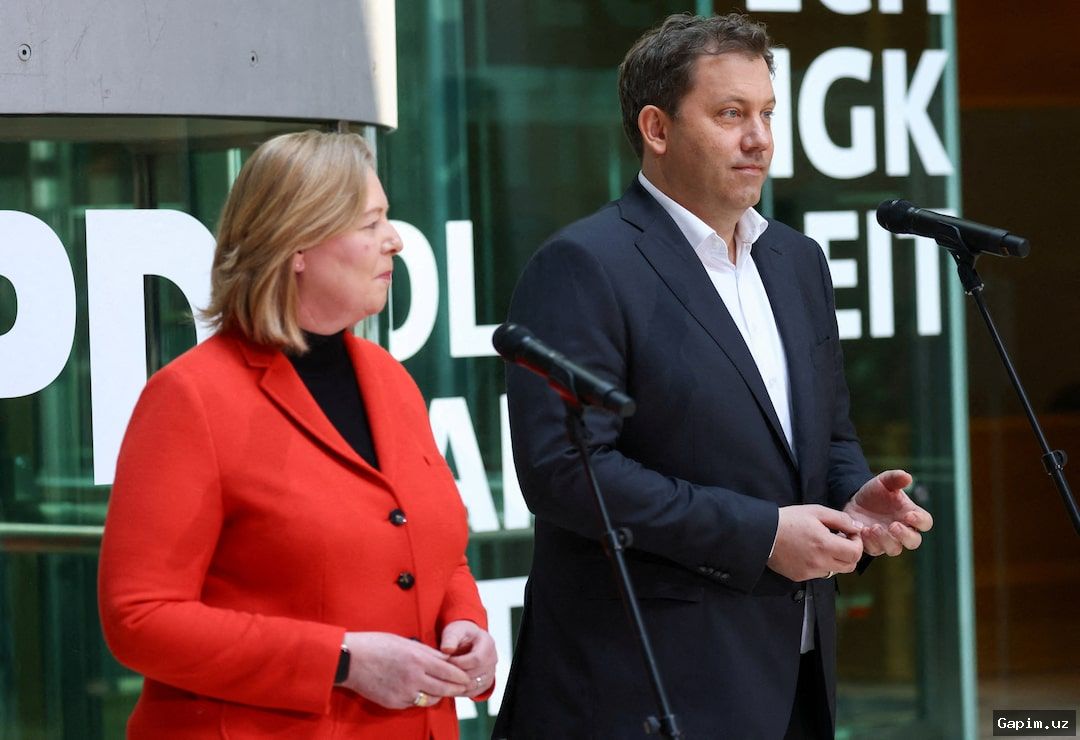
Critics point to the dual role of party leaders Bärbel Bas and Lars Klingbeil, who also serve as federal ministers. They are allegedly unable to give the SPD a distinct political profile, making too many concessions to the CDU on social policy, including cuts to housing benefits, the abolition of "retirement at 63," and the requirement for a doctor's note from the first day of illness.
The party also faces headwinds over its tougher migration policy. Polls show that only 9% of blue-collar workers and unemployed voters would choose the SPD, while 38% of workers support the AfD. Social Democrats are calling for a return to a clear political profile, even if it means going into opposition, otherwise the party risks being crushed between the demands of governing, internal factional struggles, and the loss of its core electorate.
Source: www.dw.com